

Operation Process and Working Principle of Small Bean Powder Pneumatic Conveying Equipment
HeadPowder, a leading enterprise in the field of powder handling technology, specializes in the design, manufacturing, and supply of advanced pneumatic conveying systems. The company, officially known as Shandong HeadPowder Engineering Co., Ltd., is headquartered in Shandong, China, and has established itself as a reliable partner for industries requiring efficient and reliable powder transport solutions.
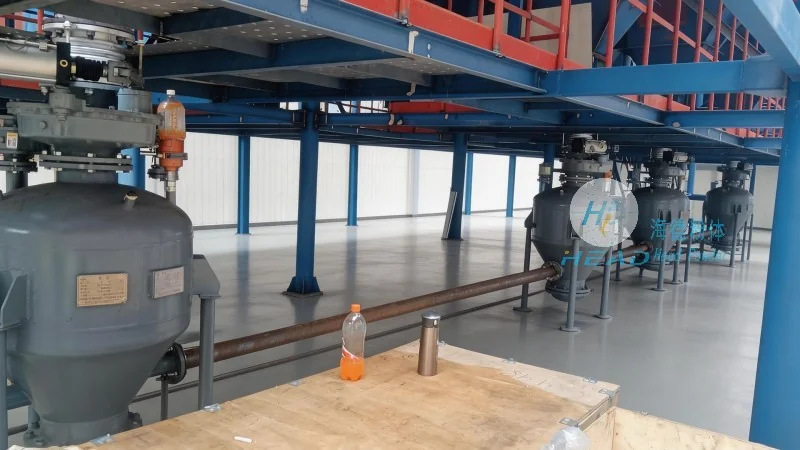
Overview of Pneumatic Conveying Systems
Pneumatic conveying equipment is a critical component in many industrial processes, enabling the safe and efficient movement of bulk powders from one location to another. These systems utilize air or other gases to transport materials, offering advantages such as reduced contamination, improved safety, and the ability to handle a wide range of powder types. The operation of such systems involves several key components, including a hopper for material storage, a conveyor line, and a control system to regulate the flow of both material and air.
Working Principle of Pneumatic Conveying Equipment
The fundamental principle behind pneumatic conveying is the use of differential pressure to move powder particles through a pipeline. In a typical system, the powder is first introduced into a hopper, where it is then drawn into a conveyor line by a vacuum or pressure source. The air or gas acts as a carrier, suspending the powder particles and transporting them through the system. The process can be categorized into two main types: pressure and vacuum systems. Pressure systems use compressed air to push the material forward, while vacuum systems use a vacuum to pull the material from the source. Both types are designed to handle different material characteristics and system configurations, ensuring optimal performance for various industrial applications.
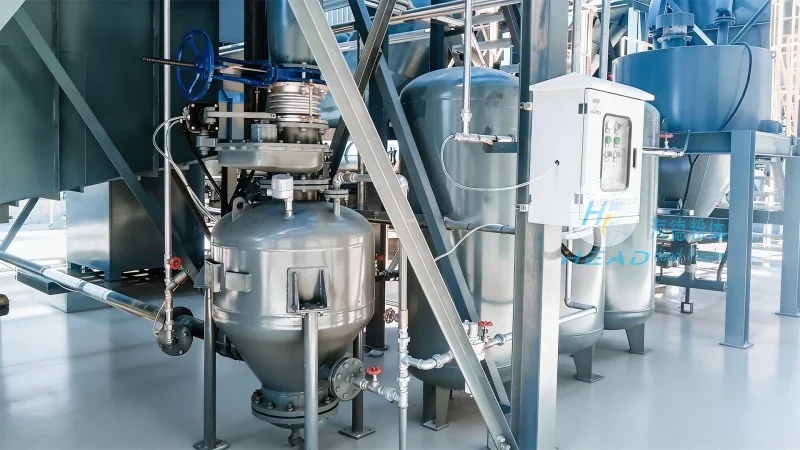
Operation Process of Small Bean Powder Pneumatic Conveying Equipment
For the specific case of small bean powder, the operation process of the pneumatic conveying equipment involves several distinct steps. First, the small beans are loaded into the hopper, where they are stored and prepared for transport. The hopper is equipped with a feeder that controls the flow rate of the material into the conveyor line. As the material enters the conveyor, it is mixed with the carrier air, creating a suspension that moves through the pipeline. The system is designed to maintain a consistent flow rate, ensuring that the small beans are transported efficiently without clogging or degradation. The conveyor line may include bends, expansions, or other components to navigate the path from the source to the destination. At the receiving end, the small beans are separated from the air, typically through a cyclone or filter, and collected in a storage bin or processing unit. The control system monitors the entire process, adjusting the air pressure or vacuum as needed to maintain optimal performance and prevent issues such as blockages or excessive pressure drops.
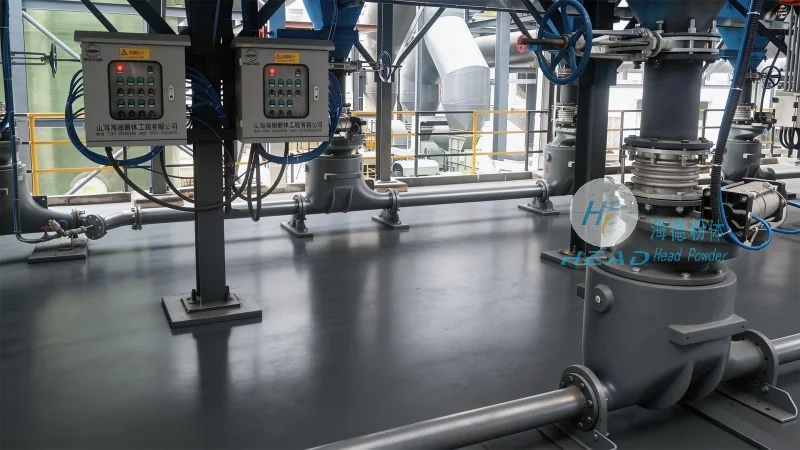
Key Components and Their Functions
Several key components work together to ensure the smooth operation of the pneumatic conveying system. The hopper serves as the primary storage container, providing a large capacity for the small beans and allowing for uniform feeding. The feeder, often a rotary valve or screw feeder, regulates the flow of material from the hopper into the conveyor line, preventing overfilling and ensuring a consistent feed rate. The conveyor line itself is typically made of metal or plastic, with smooth interior surfaces to minimize friction and reduce the risk of material buildup. The air or gas source, which can be a compressor for pressure systems or a vacuum pump for vacuum systems, provides the necessary force to move the material. The control system, which may include sensors and a programmable logic controller (PLC), monitors parameters such as pressure, flow rate, and temperature, and adjusts the system settings to maintain optimal performance. The separation equipment, such as a cyclone or bag filter, is used at the receiving end to separate the small beans from the air, ensuring that the material is collected in a clean and efficient manner.
Advantages of Using Pneumatic Conveying for Small Bean Powder
Implementing pneumatic conveying equipment for small bean powder offers several advantages over traditional methods such as belt conveyors or manual handling. One of the primary benefits is the reduction in contamination, as the system is enclosed and sealed, preventing the introduction of external particles or moisture. This is particularly important for small beans, which are often used in food processing or pharmaceutical applications where purity is critical. Another advantage is the improved safety, as the system eliminates the need for manual handling of bulk materials, reducing the risk of accidents and injuries. Additionally, pneumatic conveying systems can handle a wide range of powder characteristics, including different particle sizes, densities, and flow properties, making them versatile for various applications. The ability to transport materials over long distances without the need for multiple transfer points also enhances efficiency and reduces downtime. Overall, the use of pneumatic conveying equipment for small bean powder provides a reliable, efficient, and safe solution for industrial powder handling needs.