

Operation Process and Working Principle of Magnesia Powder Pneumatic Conveying Equipment
Shandong HeadPowder Engineering Co., Ltd., commonly known as HeadPowder, specializes in the design, manufacturing, and supply of advanced pneumatic conveying systems tailored for magnesia powder handling. Based in Shandong, China, the company leverages decades of industry experience to deliver reliable and efficient solutions for bulk material transport in industrial applications. This article provides a detailed overview of the operation process and working principle of their magnesia powder pneumatic conveying equipment, highlighting key components, operational procedures, and technical insights.
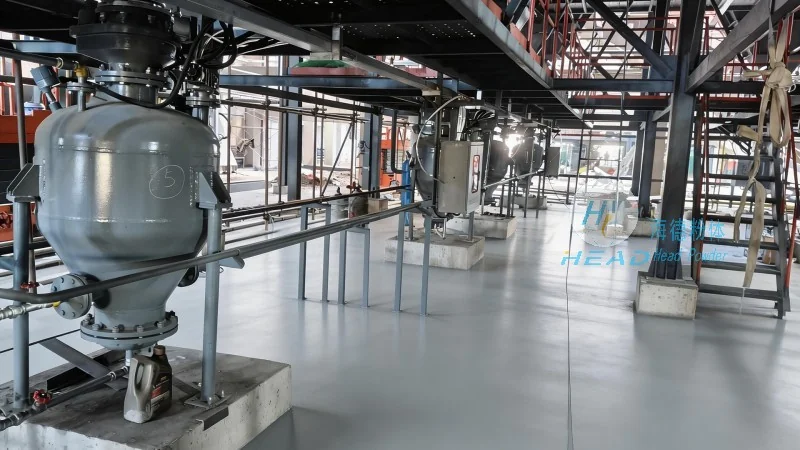
Key Components of the Pneumatic Conveying System
The magnesia powder pneumatic conveying system developed by HeadPowder typically consists of several critical components that work in concert to ensure smooth and efficient material transport. These components include the material hopper, which serves as the storage and feeding unit for the magnesia powder; the air compressor or blower, responsible for generating the necessary air pressure to move the powder; the conveying line, which may be a flexible hose or rigid pipe depending on the system design; and the discharge unit, where the powder is released at the destination point. Additionally, the system may incorporate accessories such as filters, silencers, and pressure regulators to maintain optimal performance and safety.
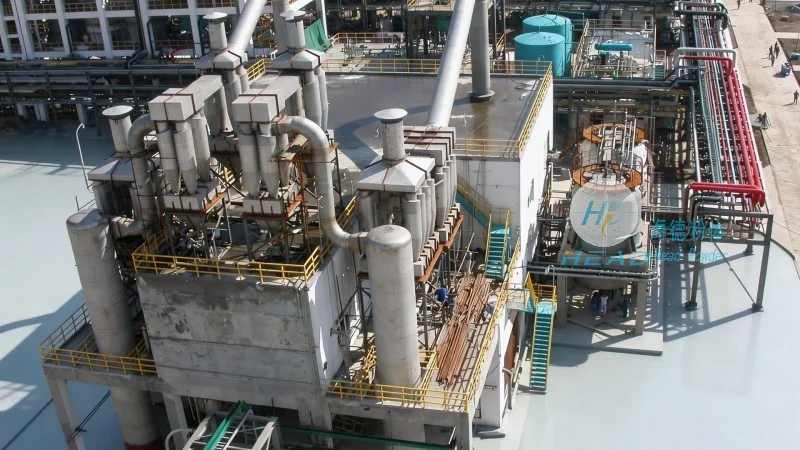
Operation Process of the Magnesia Powder Pneumatic Conveying Equipment
The operation process of the magnesia powder pneumatic conveying equipment involves a series of sequential steps designed to ensure consistent and reliable material transport. The process begins with the loading of magnesia powder into the material hopper. Once the hopper is filled, the air compressor is activated to generate the required air pressure. The compressed air is then introduced into the conveying line, creating a flow that draws the magnesia powder from the hopper and transports it to the discharge point. As the powder moves through the system, it is suspended in the air stream, allowing for efficient transport over long distances or through complex layouts. The discharge unit then releases the magnesia powder at the intended location, completing the material transfer. Throughout the operation, the system is monitored for pressure, flow rate, and other parameters to ensure optimal performance and prevent any potential issues.
Working Principle of the Pneumatic Conveying System
The working principle of the magnesia powder pneumatic conveying system is based on the fundamental concept of pneumatic transport, where bulk materials are conveyed using a gas stream. In this system, the air compressor or blower generates a high-pressure air flow that creates a vacuum or pressure differential within the conveying line. This differential force pulls the magnesia powder particles into the air stream, allowing them to be carried through the system. The key to efficient transport lies in maintaining the appropriate air velocity and pressure to keep the powder suspended without causing excessive wear or degradation. The system's design, including the size of the conveying line, the air flow rate, and the hopper geometry, is carefully optimized to achieve the desired transport efficiency and minimize energy consumption. By leveraging the principles of fluid dynamics and material science, HeadPowder's equipment ensures that magnesia powder is transported safely and effectively, meeting the demands of various industrial applications.

Advantages and Applications of Magnesia Powder Pneumatic Conveying
The magnesia powder pneumatic conveying equipment offered by HeadPowder provides several advantages over traditional bulk material handling methods. These include reduced labor costs, as the system automates the material transport process; improved safety, as it eliminates the need for manual handling of powders; and enhanced efficiency, as it allows for continuous and uninterrupted material flow. The system is particularly suitable for applications involving magnesia powder, such as in the refractory industry, where the material is used in the production of high-temperature refractory products. Additionally, the equipment can be customized to meet specific process requirements, including varying powder flow rates, transport distances, and environmental conditions. By providing a reliable and efficient solution for magnesia powder handling, HeadPowder's pneumatic conveying systems contribute to improved productivity and operational performance in industrial settings.