

Operation Process and Working Principle of Industrial Alkali Material Conveying System Equipment
Industrial alkali material conveying system equipment is a critical component in various industrial applications, designed to safely and efficiently transport alkaline materials such as caustic soda, sodium hydroxide, and other corrosive substances. The operation process and working principle of these systems are essential for ensuring optimal performance, safety, and reliability in industrial settings. This article, presented by Shandong HeadPowder Engineering Co., Ltd. (headpowder), provides a detailed overview of how such systems function, emphasizing the key stages and mechanisms involved in the conveyance of industrial alkali materials.
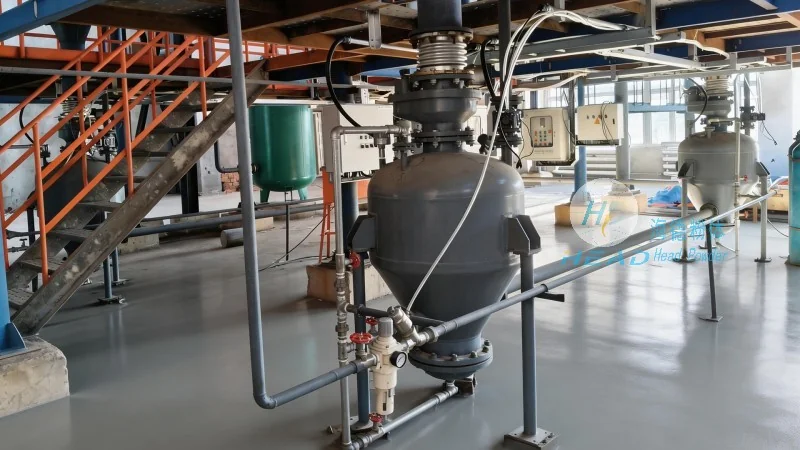
Key Components and System Architecture
The industrial alkali material conveying system typically consists of several interconnected components, each playing a vital role in the overall operation. The primary components include a feeding mechanism, a conveyor system (such as belt conveyors, screw conveyors, or pneumatic conveyors), a control system, and safety devices. The feeding mechanism is responsible for introducing the alkali material into the system, ensuring a consistent and controlled flow. The conveyor system then transports the material through the system, while the control system monitors and regulates the operation to maintain optimal conditions. Safety devices, such as pressure relief valves and emergency stop switches, are integrated to protect against potential hazards associated with handling corrosive materials.
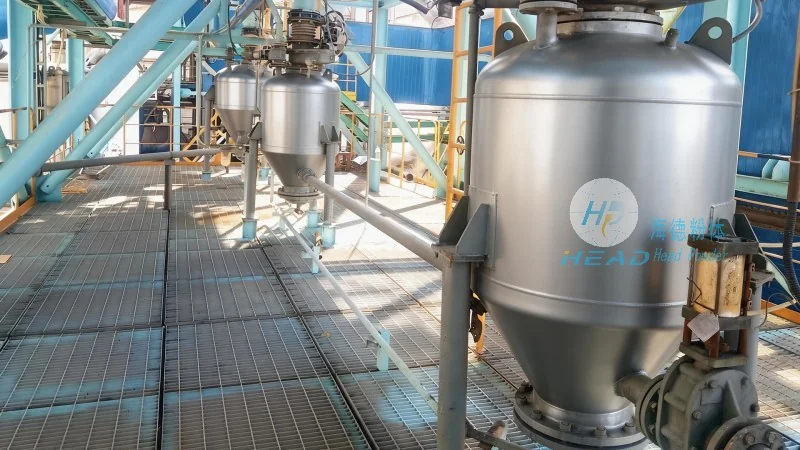
Operation Process: Step-by-Step Overview
The operation of the industrial alkali material conveying system follows a systematic process, which can be broken down into several key stages. The first stage involves material preparation, where the alkali material is loaded into the feeding hopper or storage tank. This step ensures that the material is properly contained and prepared for transport. The second stage is the initial feeding phase, where the material is introduced into the conveyor system. The feeding mechanism, often a screw feeder or a rotary valve, controls the flow rate to match the conveyor's capacity. The third stage is the conveyance phase, where the material is transported through the conveyor system. Depending on the system design, this may involve belt movement, screw rotation, or air pressure to move the material. The fourth stage is the discharge phase, where the material is delivered to the target location, such as a storage tank, processing unit, or packaging area. Throughout this process, the control system continuously monitors parameters like flow rate, pressure, and temperature to ensure the system operates within safe and efficient parameters.
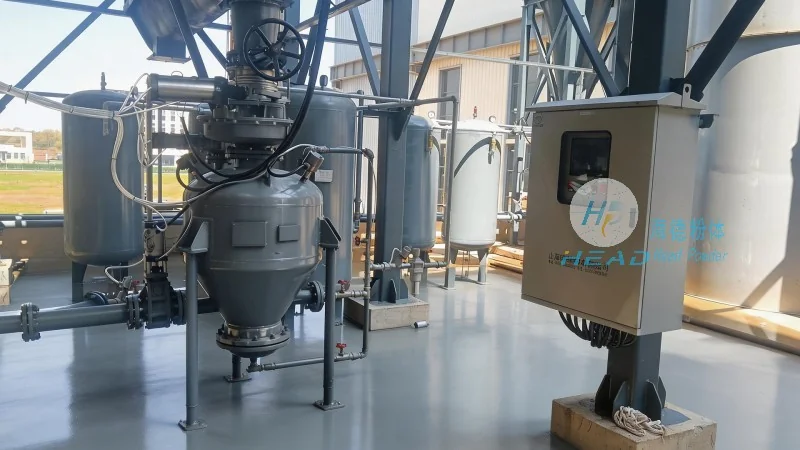
Working Principle: Mechanisms and Technologies
The working principle of industrial alkali material conveying systems is based on the application of mechanical or pneumatic forces to move the material. For mechanical conveyors, such as belt or screw conveyors, the principle involves the use of a moving surface or rotating shaft to transport the material. The belt conveyor uses a continuous belt that moves the material through friction, while the screw conveyor utilizes a rotating screw to push the material forward. Pneumatic conveyors, on the other hand, rely on compressed air to create a flow of air and material through a pipeline. The material is suspended in the air stream and transported to the destination. The control system integrates sensors and actuators to regulate the flow and pressure, ensuring the system operates smoothly and safely. Additionally, the system may incorporate features like material separation, cleaning, and maintenance to enhance its performance and longevity.
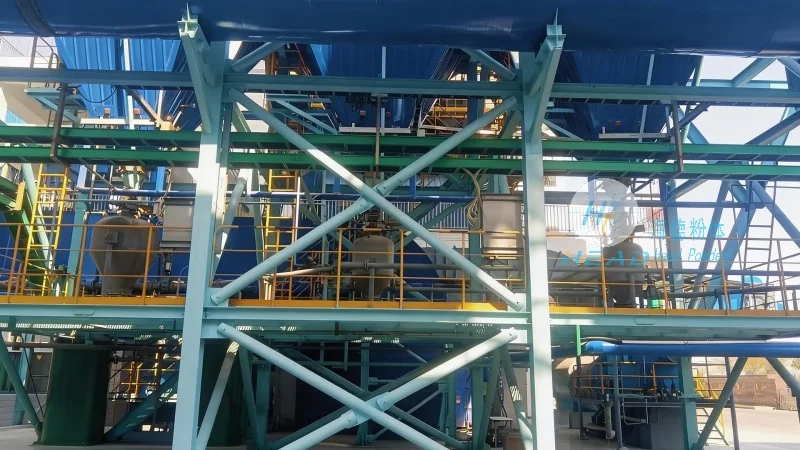
Ensuring Safety and Efficiency in Industrial Alkali Conveying
Handling industrial alkali materials requires strict adherence to safety protocols and efficient operational practices. The conveying system is designed with safety features to mitigate risks associated with corrosive and hazardous materials. These features include sealed components to prevent leaks, explosion-proof designs for pneumatic systems, and emergency shutdown mechanisms. Regular maintenance and inspection are crucial to ensure the system operates efficiently and safely over time. The control system's monitoring capabilities help detect anomalies and prevent potential failures, contributing to the overall reliability of the system. By combining advanced technology with robust safety measures, industrial alkali material conveying systems provide a reliable solution for transporting these critical materials in various industrial applications.