

Operation Process and Working Principle of Manganese Carbonate Material Handling System Equipment
Shandong HeadPowder Engineering Co., Ltd. specializes in the design, manufacturing, and installation of advanced material handling systems tailored for the transportation and processing of manganese carbonate. This equipment is crucial for industries that rely on efficient and reliable handling of bulk materials, ensuring optimal performance in production lines. The system integrates various components such as conveyors, feeders, and control mechanisms to facilitate seamless material movement from storage to processing units. With a focus on durability and efficiency, the company's solutions are engineered to meet the specific demands of manganese carbonate processing, providing long-term value and operational reliability.
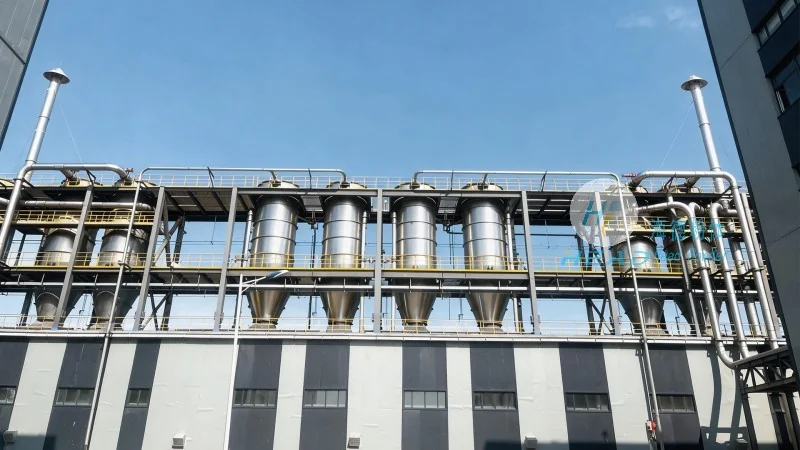
Key Components and Their Functions
The manganese carbonate material handling system comprises several essential components, each playing a vital role in the overall operation. The primary components include belt conveyors, bucket elevators, and pneumatic conveying systems, which are selected based on the specific characteristics of the material, such as particle size, moisture content, and bulk density. For instance, belt conveyors are ideal for transporting dry, free-flowing manganese carbonate over short to medium distances, while bucket elevators are suitable for vertical lifting and horizontal transport in vertical configurations. Pneumatic conveying systems are employed when high precision and minimal material degradation are required, especially in sensitive applications. Additionally, the system includes sensors, such as level detectors and flow meters, to monitor material levels and flow rates, ensuring real-time control and process optimization.
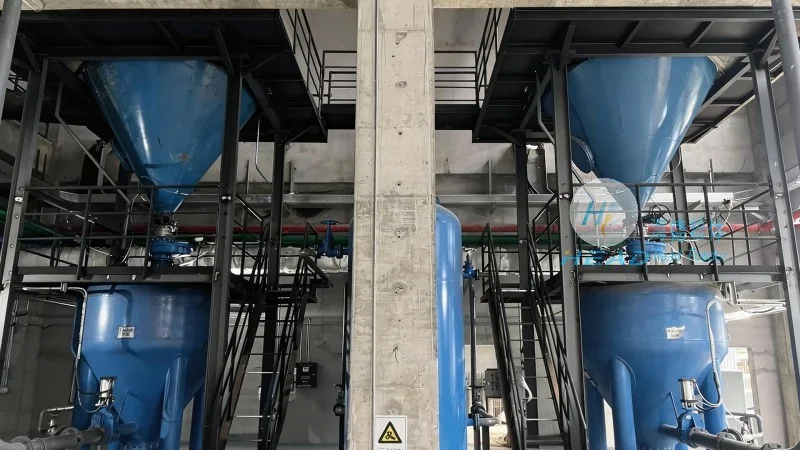
Operation Process of the Material Handling System
The operation of the manganese carbonate material handling system follows a systematic process that ensures consistent and efficient material flow. The process begins with the storage of raw manganese carbonate in bulk storage silos or hoppers, which are designed to accommodate large volumes of material. From there, the material is discharged into a feeder, which regulates the flow rate to the conveyor system. The feeder may be a rotary valve or a vibratory feeder, depending on the material's properties. The conveyor system then transports the material to the processing unit, where it is further processed or packaged. The control system monitors the entire process, adjusting parameters like speed and flow rate to maintain optimal performance. This integrated approach minimizes downtime and maximizes productivity, making it an essential part of modern industrial operations. The system also incorporates safety features, such as emergency stop buttons and overload protection, to prevent accidents and ensure operator safety.
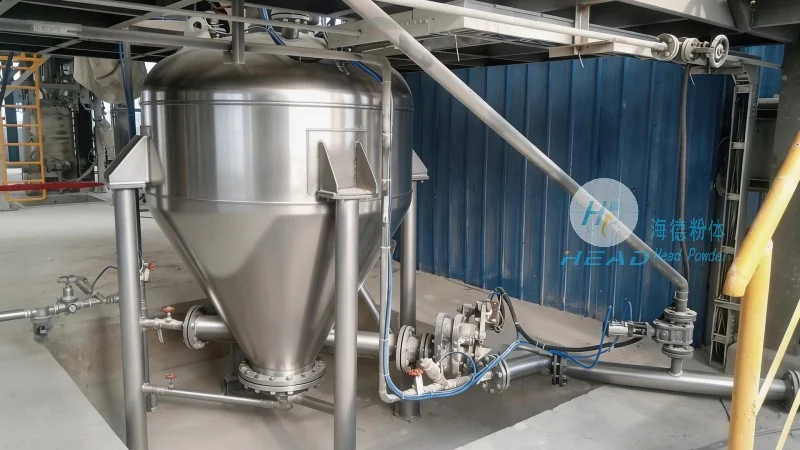
Working Principle of the Equipment
The working principle of the manganese carbonate material handling system is based on mechanical and pneumatic forces that facilitate material movement. Belt conveyors operate by using a continuous belt that moves over rollers, transporting the material through friction. The speed of the belt and the angle of inclination determine the material's transport efficiency. The buckets in a bucket elevator rotate and lift the material vertically, then discharge it at the top, allowing for vertical transport. Pneumatic conveying systems utilize air pressure to move the material through a pipeline, where the material is suspended and transported by the airflow. The control system uses sensors and feedback mechanisms to adjust the system's performance, ensuring that the material is handled safely and efficiently. This combination of mechanical and pneumatic principles allows for versatile and reliable material handling, catering to various industrial needs. The system's design also considers material properties, such as abrasiveness and moisture content, to prevent equipment wear and maintain performance.
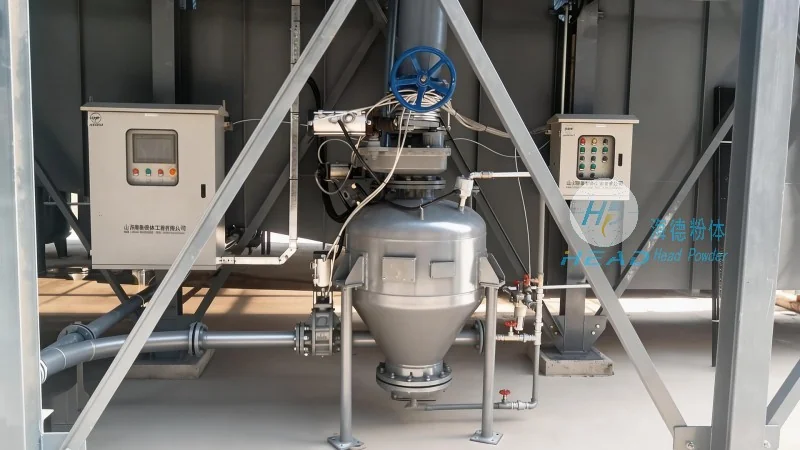
Benefits and Applications
The manganese carbonate material handling system offers numerous benefits to industries dealing with bulk materials. It enhances operational efficiency by reducing manual handling, minimizing material loss, and improving process consistency. The system also ensures safety by controlling dust and preventing material spills, which is crucial for maintaining a clean and safe working environment. Applications of this equipment include mining operations, chemical processing plants, and food processing facilities, where manganese carbonate is used as a raw material or additive. The system's adaptability allows it to be customized for different production scales, from small-scale operations to large industrial plants. Additionally, the system's energy efficiency reduces operational costs, making it a cost-effective solution for long-term use.