

Operation Process and Working Principle of Titanium Dioxide Material Conveying Line
Efficient material handling is a critical component in the production and processing of titanium dioxide, a key pigment used across various industries. The titanium dioxide material conveying line, engineered by Shandong HeadPowder Engineering Co., Ltd. (commonly known as HeadPowder), is a specialized system designed to ensure safe, reliable, and high-performance transport of this valuable material. This article delves into the operation process and working principle of such a conveying line, highlighting the technical aspects and operational efficiency that define its performance.
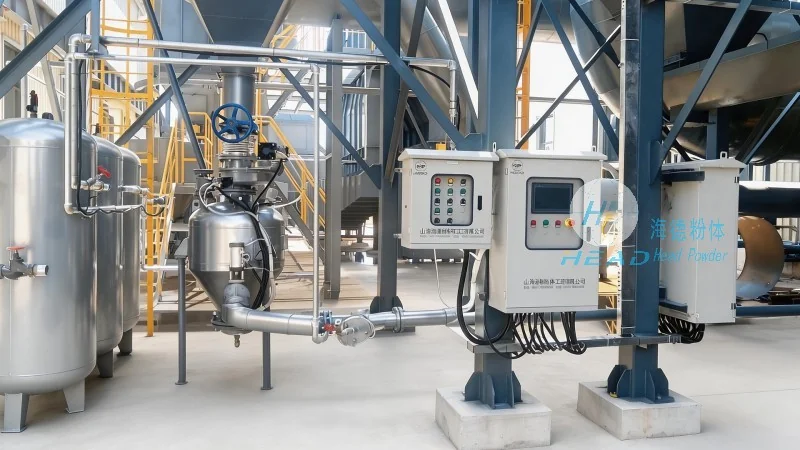
Introduction to Titanium Dioxide Material Conveying Lines
Titanium dioxide (TiO₂) is widely used in paints, coatings, plastics, paper, and cosmetics due to its excellent whiteness, opacity, and UV resistance. The material conveying line is essential for moving TiO₂ from storage silos or processing units to production lines, packaging areas, or other processing stages. A well-designed conveying system minimizes material loss, reduces downtime, and ensures consistent product quality. HeadPowder, a leading manufacturer in this field, specializes in creating customized conveying solutions tailored to the specific needs of titanium dioxide processing facilities.
Company Background: Shandong HeadPowder Engineering Co., Ltd.
HeadPowder, based in Shandong, China, is a reputable company dedicated to providing advanced material handling equipment for the chemical and pigment industries. With years of experience in the design, manufacturing, and installation of conveying systems, HeadPowder has built a strong reputation for reliability and innovation. The company's expertise lies in understanding the unique challenges of handling fine powders like titanium dioxide, which require specialized equipment to prevent clogging, ensure uniform flow, and maintain product integrity. By leveraging cutting-edge technology and adhering to strict quality standards, HeadPowder delivers conveying lines that meet the highest industry requirements.
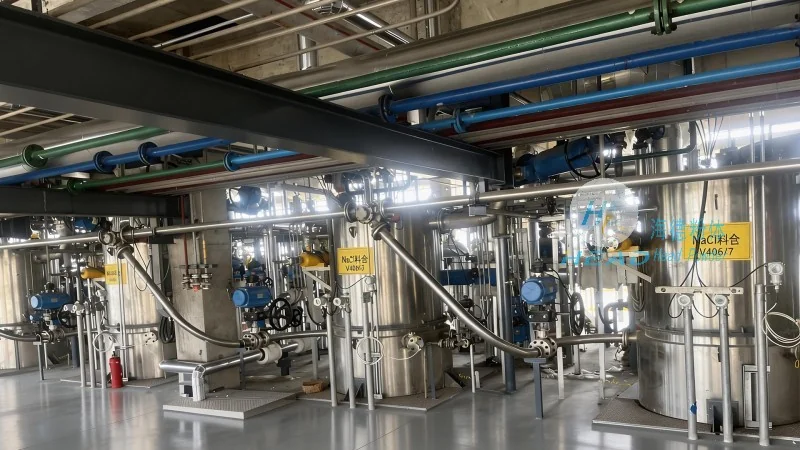
Key Components of the Conveying Line
The titanium dioxide material conveying line typically consists of several key components, each playing a crucial role in the overall operation. These components include:
- Storage Silo: A large, airtight container where titanium dioxide is stored before processing. The silo is designed to maintain the material's quality and prevent moisture absorption, which could affect its performance.
- Feeder: A device that controls the flow of TiO₂ from the storage silo to the conveyor system. Common types include rotary valves and screw feeders, which ensure a consistent and controlled discharge rate.
- Conveyor System: The core of the conveying line, which transports the material through a pipeline. Options include pneumatic conveying (air-assisted) or mechanical conveying (e.g., belt conveyors or screw conveyors). Pneumatic systems are often preferred for fine powders like TiO₂ due to their ability to handle high volumes and minimize material degradation.
- Control System: An automated system that monitors and regulates the operation of the conveying line. This includes sensors for flow rate, pressure, and level, as well as control panels for adjusting settings and troubleshooting issues. The control system ensures the conveying line operates efficiently and safely.
- Purging and Cleaning System: To maintain the quality of the material and prevent clogging, the conveying line is equipped with a purging system that removes any residual material from the pipeline. This system is essential for ensuring the line remains clean and functional over time.
Operation Process of the Conveying Line
The operation of a titanium dioxide material conveying line involves several sequential steps, each carefully controlled to ensure optimal performance. The process typically begins with the material being stored in the silo. When production requires TiO₂, the feeder regulates the flow from the silo into the conveyor system. The conveyor then transports the material through the pipeline to the next processing stage or storage area. The control system continuously monitors the flow rate and pressure, adjusting the feeder settings as needed to maintain a consistent output. The purging system is activated periodically to clear any buildup in the pipeline, ensuring smooth operation. This cycle repeats as needed, providing a continuous supply of titanium dioxide to the production line.
Working Principle of the Conveying Line
The working principle of the titanium dioxide material conveying line is based on the principles of fluid dynamics and material handling. In pneumatic conveying systems, for example, compressed air is used to create a flow of air and material through the pipeline. The air velocity is carefully controlled to ensure the TiO₂ particles are suspended and transported without settling or clogging. The pressure drop along the pipeline is monitored to detect any blockages or changes in material flow. Mechanical conveyors, such as screw or belt conveyors, rely on the physical movement of the material along a path, using gravity or mechanical force to move the powder. The control system adjusts the speed and direction of the conveyor to maintain the desired flow rate. Both systems are designed to handle the fine, abrasive nature of titanium dioxide, ensuring the material remains intact and free from damage during transport.
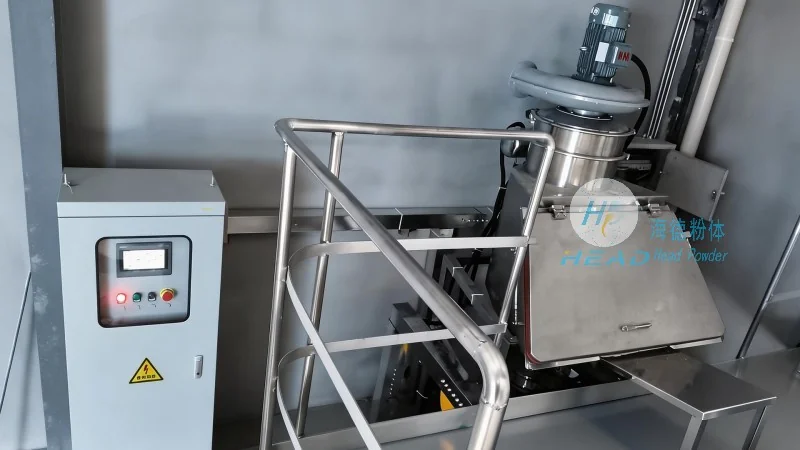
Benefits of Using a Titanium Dioxide Material Conveying Line
Implementing a specialized conveying line for titanium dioxide offers numerous benefits for industrial facilities. These include:
- Increased Efficiency: The automated control system ensures consistent and reliable material flow, reducing downtime and increasing production throughput.
- Improved Product Quality: By minimizing material handling and exposure to air, the conveying line helps maintain the purity and quality of titanium dioxide, which is critical for its performance in end products.
- Reduced Labor Costs:
- Enhanced Safety: The enclosed design of the conveying line prevents dust emissions and protects workers from exposure to fine powders, improving workplace safety.
- Customization: HeadPowder offers customized conveying solutions that can be tailored to the specific requirements of each facility, ensuring optimal performance and cost-effectiveness.
Conclusion
The titanium dioxide material conveying line is a vital component in the efficient processing of titanium dioxide, a key material in many industries. By understanding the operation process and working principle of such a system, facilities can optimize their material handling operations and improve overall productivity. Shandong HeadPowder Engineering Co., Ltd. (HeadPowder) provides high-quality, customized conveying lines that meet the unique needs of titanium dioxide processing, ensuring reliable and efficient material transport. With its expertise and commitment to quality, HeadPowder continues to be a trusted partner for facilities seeking to enhance their material handling capabilities.