

Operation Process and Working Principle of Sponge Sand Pneumatic Conveying Lines
HeadPowder, a leading engineering company based in Shandong, China, specializes in the design, manufacturing, and installation of advanced pneumatic conveying systems. Among their product portfolio is the sponge sand pneumatic conveying line, a sophisticated solution tailored for efficient material handling in various industrial applications. This article delves into the operational process and underlying principles of such systems, highlighting their efficiency, reliability, and adaptability.
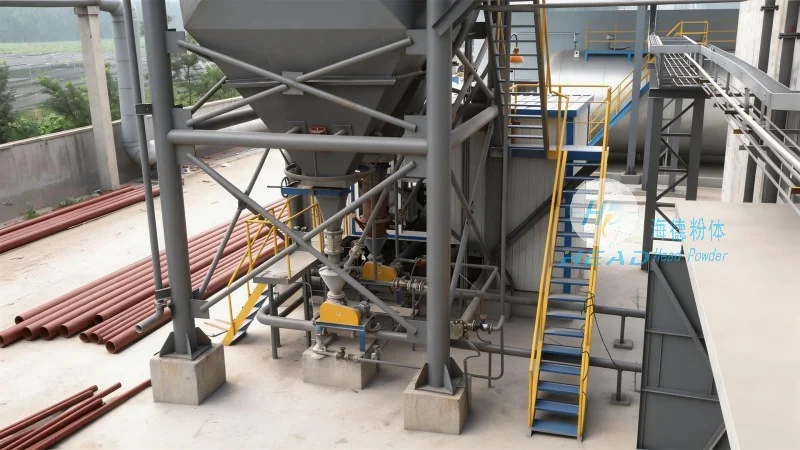
Key Components of the Pneumatic Conveying System
The sponge sand pneumatic conveying line comprises several critical components that work in tandem to ensure smooth material transport. These include the material hopper, which stores the sponge sand; the air compressor, responsible for generating the necessary air pressure; the conveying pipeline, which transports the material; and the discharge hopper, where the material is deposited at the destination. Each component plays a vital role in maintaining the system's performance and ensuring consistent operation.
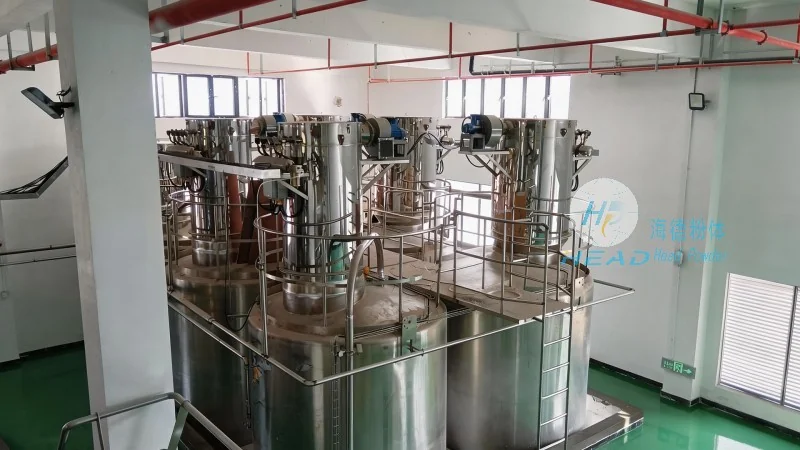
Operation Process: Step-by-Step Overview
The operation of the sponge sand pneumatic conveying line begins with the loading of sponge sand into the material hopper. Once the hopper is filled, the air compressor starts, generating a high-pressure air stream. This air stream is then introduced into the conveying pipeline, creating a flow that lifts and transports the sponge sand particles. The air and material mixture travels through the pipeline to the discharge hopper, where the material is separated from the air and collected. The air is then filtered and recycled back to the compressor, completing the cycle. This continuous process allows for efficient and uninterrupted material handling, minimizing downtime and maximizing productivity.
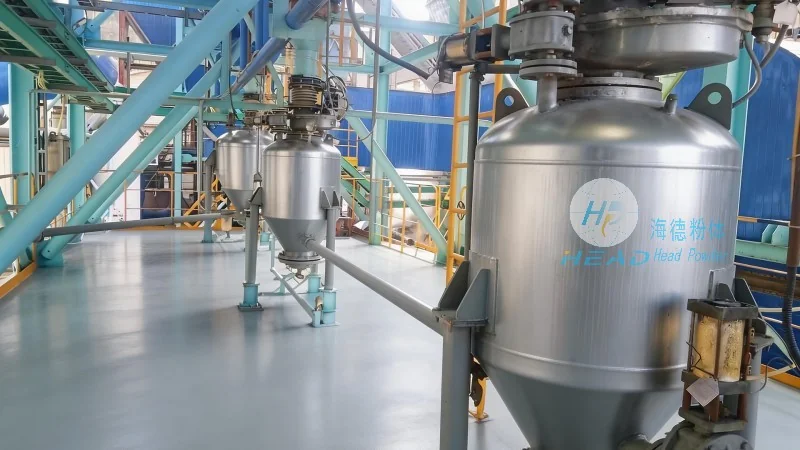
Working Principle: Fluidization and Air-Liquid Interaction
The core working principle of the sponge sand pneumatic conveying line is based on fluidization and the interaction between air and solid particles. When air is introduced into the conveying pipeline at a sufficient velocity, it creates a fluidized bed within the pipeline, where the sponge sand particles are suspended and transported. This fluidization process ensures that the material moves smoothly through the system without clogging or blockages. The air velocity is carefully controlled to maintain optimal fluidization, ensuring that the particles are carried efficiently while minimizing energy consumption. The system's design also incorporates features to prevent material degradation and maintain the quality of the sponge sand during transport.
Advantages and Applications
Sponge sand pneumatic conveying lines offer several advantages over traditional material handling methods. These include high efficiency in transporting large volumes of material over long distances, reduced labor costs due to automated operation, and improved safety by minimizing manual handling of bulk materials. The systems are widely used in industries such as construction, foundries, and chemical processing, where the handling of abrasive or fine materials is required. HeadPowder's expertise in engineering ensures that these systems are customized to meet the specific needs of each application, providing reliable and cost-effective solutions.
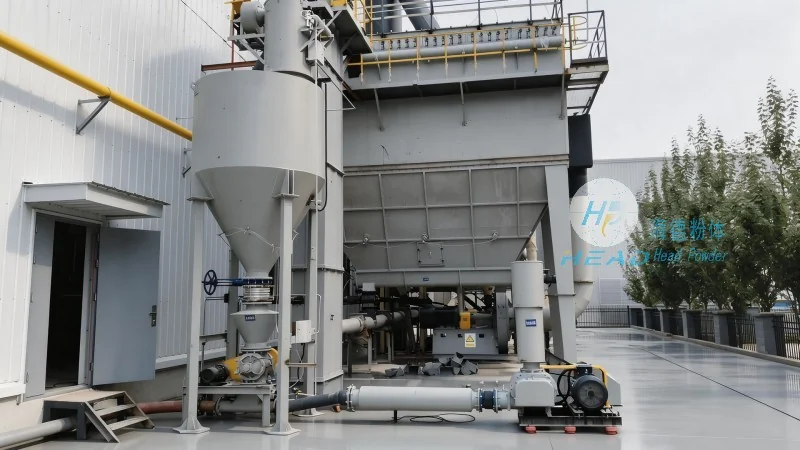
Maintenance and Operational Considerations
To ensure the longevity and optimal performance of the sponge sand pneumatic conveying line, regular maintenance is essential. This includes checking the air compressor for proper operation, inspecting the conveying pipeline for any blockages or leaks, and cleaning the filters to maintain air quality. The system should also be monitored for any signs of wear and tear, such as increased energy consumption or reduced material flow. By following proper maintenance procedures, users can extend the lifespan of the equipment and avoid costly repairs. Additionally, training operators on the proper operation and safety protocols is crucial to prevent accidents and ensure smooth operation.