

Operation Process and Working Principle of Lysine Pneumatic Conveying Lines
HeadPowder, a leading manufacturer in the field of pneumatic conveying systems, specializes in providing advanced solutions for the efficient handling of bulk materials. Based in Shandong, China, the company has established itself as a trusted partner for industries requiring reliable and high-performance material transport solutions. This article delves into the operation process and working principle of lysine pneumatic conveying lines, highlighting the technical aspects and practical applications of such systems.
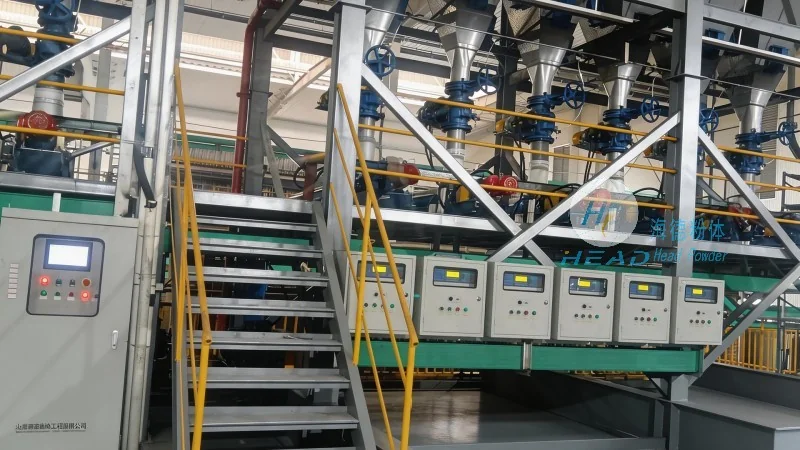
Overview of Lysine Pneumatic Conveying Lines
Lysine is a critical amino acid widely used in the animal feed and pharmaceutical industries. The efficient and safe transport of lysine powder from storage to processing units is essential for maintaining product quality and operational efficiency. Pneumatic conveying lines offer a non-contact, hygienic, and flexible method for handling lysine, ensuring minimal product degradation and contamination. These systems are designed to handle fine powders like lysine, which are prone to caking and agglomeration if not handled properly.
Key Components of Lysine Pneumatic Conveying Systems
The lysine pneumatic conveying line typically consists of several key components that work in tandem to achieve effective material transport. These components include the material hopper, feeder, air compressor, conveying pipes, control valves, and dust collection system. Each component plays a crucial role in the overall operation, ensuring smooth and continuous material flow.
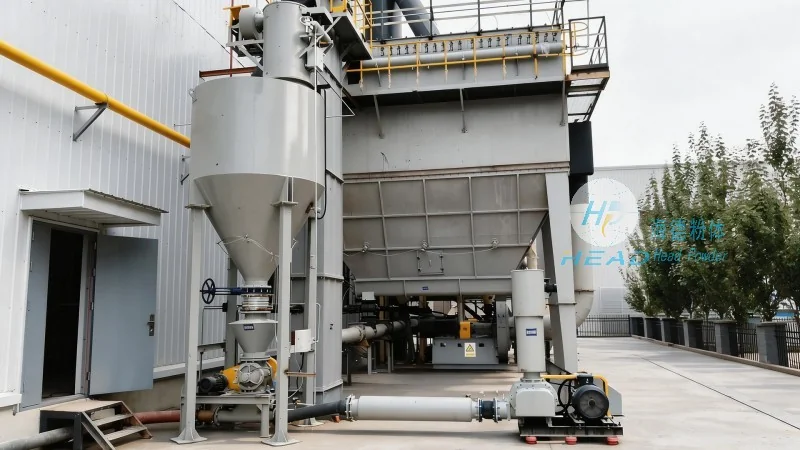
Operation Process of Lysine Pneumatic Conveying Lines
The operation of a lysine pneumatic conveying line involves several sequential steps. Initially, lysine powder is stored in a hopper, which is equipped with a feeding mechanism to regulate the flow rate. The feeder then delivers the powder into the conveying line, where it is mixed with compressed air. The air and powder mixture is then propelled through the pipes using the pressure differential created by the air compressor. The conveying system ensures that the lysine is transported to the desired destination, such as a mixer or a storage silo. At the receiving end, the air and powder are separated, with the powder collected in a container and the air directed to a dust collector for filtration and recycling.
Working Principle of Lysine Pneumatic Conveying Lines
The working principle of lysine pneumatic conveying lines is based on the principle of fluidization and pneumatic transport. The compressed air creates a low-pressure environment within the conveying pipes, which draws the lysine powder into the air stream. The air velocity is maintained at a level sufficient to keep the powder particles suspended and transported without causing excessive wear or degradation. The system utilizes either positive pressure or negative pressure (or a combination of both) to move the material, depending on the specific application and layout of the conveying line.
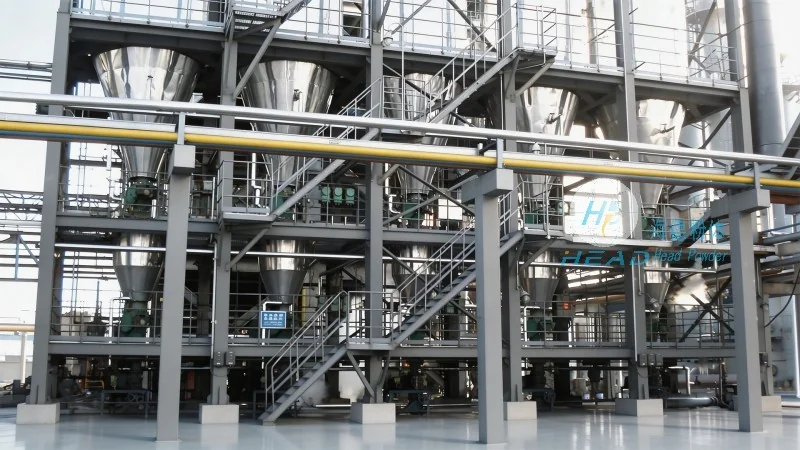
Technical Advantages of Lysine Pneumatic Conveying Lines
HeadPowder's lysine pneumatic conveying lines offer several technical advantages that make them ideal for industrial applications. These include high material handling capacity, minimal product contamination, and the ability to handle fine powders without caking. The systems are also designed for easy maintenance and cleaning, ensuring compliance with hygiene standards required in the food and pharmaceutical industries. Additionally, the flexible design allows for easy integration with existing production lines and can be customized to meet specific operational requirements.
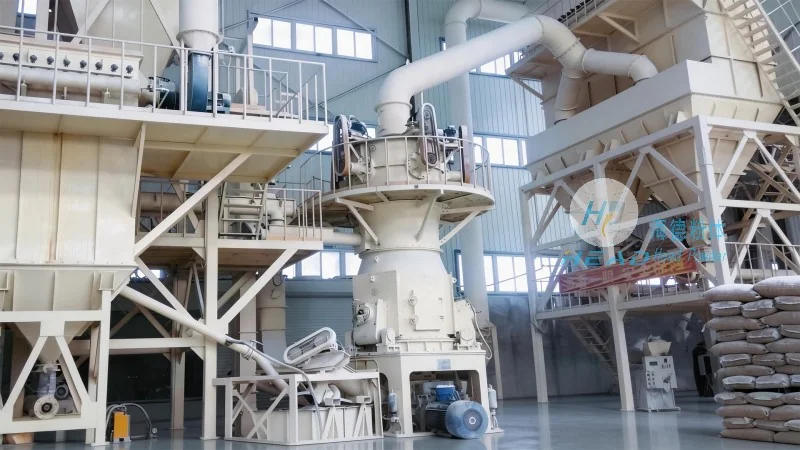
Application Examples and Industry Impact
Lysine pneumatic conveying lines are widely used in the animal feed manufacturing sector, where they facilitate the efficient transport of lysine from raw material storage to mixing and packaging units. The systems help in maintaining consistent product quality by preventing moisture absorption and contamination during transport. In the pharmaceutical industry, these lines are used to transport lysine for the production of amino acid supplements and other health products. The reliable operation of these systems contributes to increased productivity and reduced downtime in manufacturing processes.
Conclusion
HeadPowder's lysine pneumatic conveying lines represent a sophisticated solution for the efficient and hygienic handling of lysine powder. By understanding the operation process and working principle of these systems, industries can optimize their material transport operations, enhance product quality, and improve overall operational efficiency. The advanced design and robust construction of these systems ensure long-term reliability and performance, making them a preferred choice for companies operating in the lysine and related industries.