

Operation Process and Working Principle of Sodium Chloride Pneumatic Conveying Lines
For industrial applications involving the transport of sodium chloride, pneumatic conveying systems offer an efficient and reliable solution. These systems are designed to handle bulk materials like salt, ensuring smooth and continuous operation while maintaining product integrity. The following content will explore the operation process and working principles of such systems, highlighting key components and the technical aspects that contribute to their effectiveness.
Key Components of a Pneumatic Conveying Line
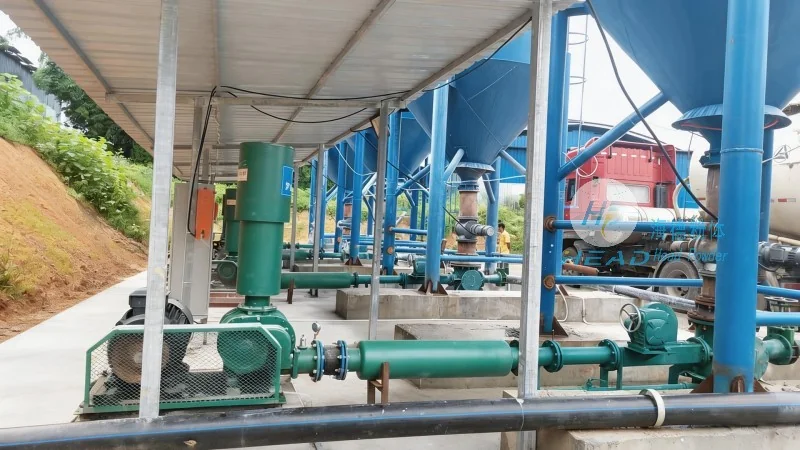
The pneumatic conveying line for sodium chloride typically consists of several critical components that work in tandem to facilitate material transport. These include the hopper or storage bin, the conveying pipeline, the air supply system (blower or compressor), and the control valves. Each component plays a vital role in the overall functionality of the system. The hopper is responsible for storing the sodium chloride, providing a consistent feed to the system. The pipeline, often made of stainless steel or other corrosion-resistant materials, ensures the material is conveyed under controlled pressure. The air supply system generates the necessary airflow to move the material through the pipeline, while the control valves regulate the flow rate and pressure to maintain optimal operation.
Operation Process of the Pneumatic Conveying Line
The operation process of a sodium chloride pneumatic conveying line involves several sequential steps. First, the sodium chloride is fed from the storage hopper into the conveying pipeline. The air supply system then generates a high-pressure airflow, which is introduced into the pipeline. As the air flows through the pipeline, it entrains the sodium chloride particles, creating a slurry-like mixture. This mixture is then transported from the inlet to the outlet of the system. The speed and pressure of the airflow are carefully controlled to ensure the material is conveyed without excessive wear on the pipeline or loss of product quality. The process continues until the desired amount of sodium chloride has been transported to the target location, such as a processing plant or storage facility.

Working Principle of Pneumatic Conveying
The working principle of a pneumatic conveying line relies on the principles of fluid dynamics and particle motion. When air is introduced into the pipeline at a sufficient velocity, it creates a pressure differential that pulls the sodium chloride particles into the airflow. The particles are then carried along the pipeline by the moving air, forming a dense phase or dilute phase flow, depending on the system design. The dense phase conveying is typically used for longer distances or when higher material concentrations are required, while the dilute phase is suitable for shorter distances or when lower material loads are needed. The system's efficiency is determined by factors such as air velocity, material size, and pipeline diameter, all of which must be optimized to achieve the best performance.
Advantages of Using Pneumatic Conveying for Sodium Chloride
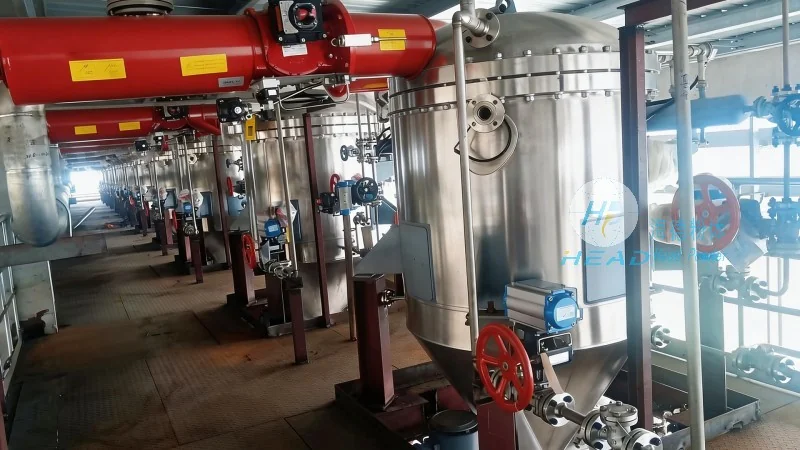
Implementing a pneumatic conveying system for sodium chloride offers several advantages over traditional methods like belt conveyors or bucket elevators. These systems are capable of handling large volumes of material with minimal labor, reducing operational costs and increasing productivity. The enclosed pipeline design prevents dust and contamination, ensuring the sodium chloride remains clean and free from external pollutants. Additionally, pneumatic conveying systems can be easily integrated with other industrial processes, such as drying or mixing, allowing for a more streamlined production workflow. The flexibility of these systems also enables them to be adapted to various industrial settings, from small-scale operations to large-scale manufacturing facilities.
About Shandong HeadPowder Engineering Co., Ltd.
Shandong HeadPowder Engineering Co., Ltd., operating under the brand name headpowder, is a leading manufacturer and supplier of pneumatic conveying systems and related industrial equipment. With a focus on innovation and quality, the company has established itself as a trusted partner in the chemical and material handling industries. Headpowder specializes in designing and manufacturing customized pneumatic conveying lines tailored to the specific needs of its clients, ensuring optimal performance and reliability. The company's headquarters is located in Shandong, China, where it leverages advanced technology and skilled engineering expertise to deliver high-quality products and services. By combining years of industry experience with cutting-edge solutions, headpowder continues to provide effective and efficient solutions for material handling challenges in various industrial applications.