

Operation Process and Working Principle of Bauxite Pneumatic Conveying Lines
HeadPowder, or Shandong HeadPowder Engineering Co., Ltd., is a professional manufacturer based in Shandong, China, specializing in the design, production, and installation of bauxite pneumatic conveying systems. Our company focuses on providing efficient and reliable solutions for material handling in various industrial applications.
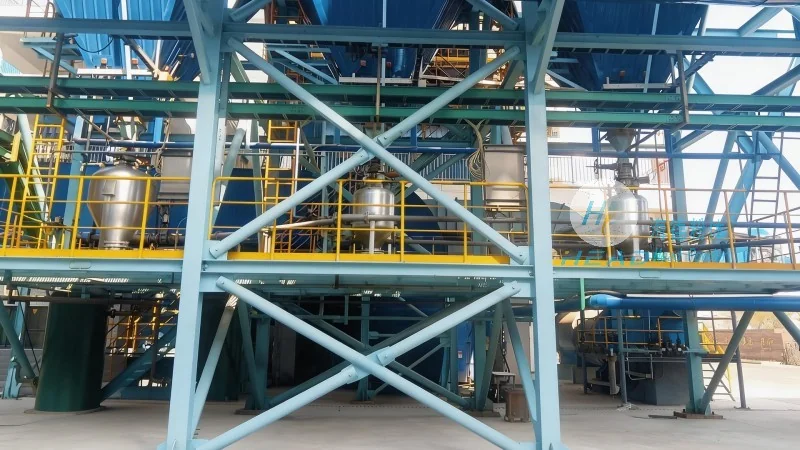
Operation Process of Bauxite Pneumatic Conveying Lines
The operation of a bauxite pneumatic conveying line involves several key steps to ensure smooth and continuous material transport. The process typically begins with the loading of bauxite into the hopper or feeder. Once the material is loaded, the air compressor generates the necessary pressure to create a flow of air through the pipeline. The air, along with the bauxite particles, is then conveyed from the loading point to the discharge point. The system includes components such as the air compressor, hopper, pipeline, and discharge valve, all working in coordination to maintain the flow of material. The operation is controlled by a system of valves and sensors that monitor pressure, flow rate, and material level, ensuring optimal performance and preventing blockages or other issues.
Working Principle of Bauxite Pneumatic Conveying Lines
The working principle of bauxite pneumatic conveying lines is based on the use of air as the conveying medium. The system operates by creating a pressure differential between the inlet and outlet of the pipeline. The air compressor supplies compressed air, which is introduced into the pipeline at the loading end. As the air flows through the pipeline, it carries the bauxite particles along with it, moving them from the source to the destination. The velocity of the air is crucial; it must be sufficient to overcome the gravitational force and frictional resistance of the particles, ensuring that the material is transported efficiently without clogging. The system may use different types of conveying, such as dilute-phase or dense-phase, depending on the specific requirements of the application. Dilute-phase conveying uses higher air velocities and lower material concentrations, while dense-phase conveying uses lower air velocities and higher material concentrations, providing more control over the material flow.
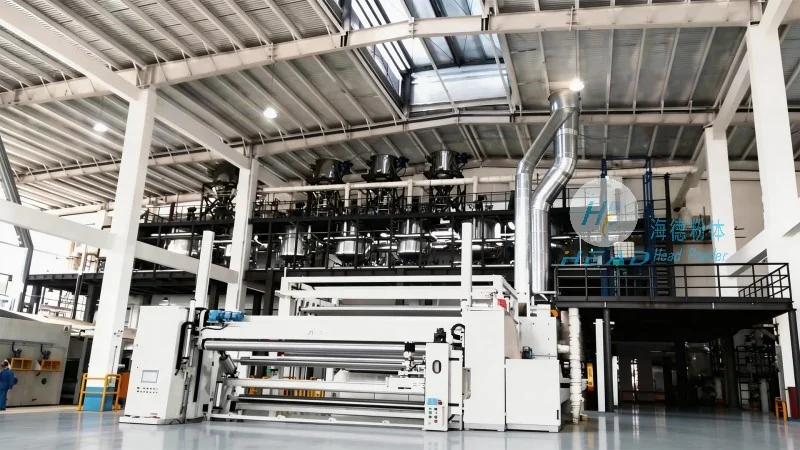
Key Components and Their Roles
Several key components are integral to the effective operation of bauxite pneumatic conveying lines. The air compressor is the primary source of power, generating the compressed air needed to move the material. The hopper or feeder is responsible for storing and feeding the bauxite into the pipeline at a controlled rate. The pipeline itself is designed to withstand the pressure and flow of air and material, with appropriate diameter and material selection to prevent wear and tear. The discharge valve at the end of the pipeline controls the release of the material, ensuring it is delivered to the intended destination. Additionally, sensors and control systems monitor various parameters, such as pressure and flow rate, to maintain the system's efficiency and safety.
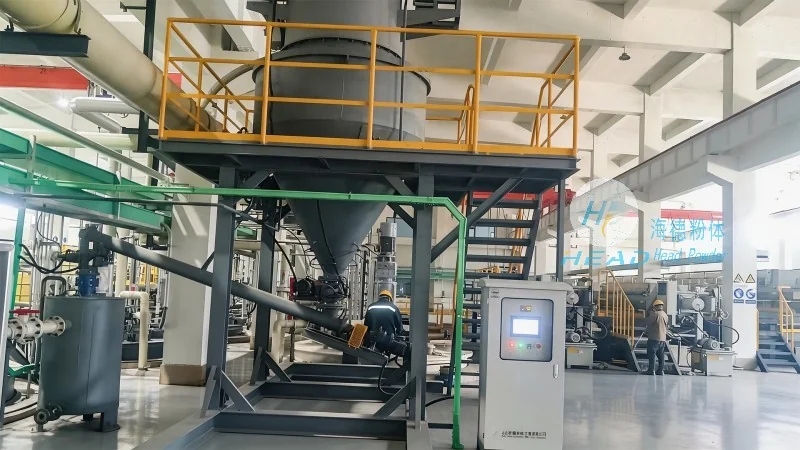
Advantages of Bauxite Pneumatic Conveying Systems
Bauxite pneumatic conveying systems offer several advantages over traditional material handling methods. One of the main benefits is the ability to transport material over long distances without the need for multiple transfer points or intermediate storage. The system is also highly flexible, allowing for changes in the layout or direction of the pipeline as needed. Additionally, pneumatic conveying is a closed system, which helps to prevent dust emissions and maintain a clean working environment. The system is also relatively low maintenance, as it has fewer moving parts compared to other conveying methods, reducing the risk of breakdowns and increasing overall operational efficiency.
Applications in Industrial Settings
Bauxite pneumatic conveying systems are widely used in various industrial settings where the handling of bulk materials is required. These systems are commonly employed in mining and processing facilities, where bauxite is transported from the extraction site to processing plants. They are also used in chemical and pharmaceutical industries, where the transport of raw materials or finished products is necessary. The systems are particularly suitable for applications where the material is dusty or has a high moisture content, as the closed system helps to contain the material and prevent contamination.