

Operation Process and Working Principle of Corn Grit Pneumatic Conveying Lines
For industrial applications requiring efficient and reliable transport of corn grit, pneumatic conveying systems offer a robust solution. This article explores the operation process and working principle of corn grit pneumatic conveying lines, highlighting key components, operational steps, and the technical aspects that ensure smooth material handling. The information presented is based on the expertise of Shandong HeadPowder Engineering Co., Ltd., a leading manufacturer of industrial conveying systems based in China.
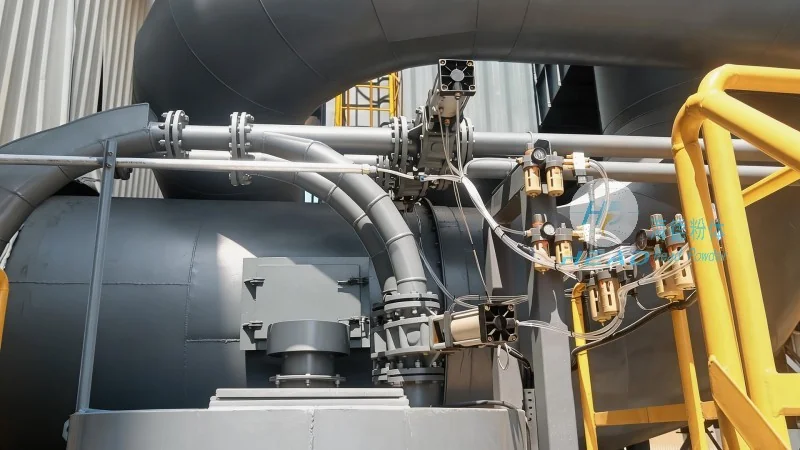
Introduction to Corn Grit Pneumatic Conveying Systems
Corn grit, a byproduct of corn processing, is often used in various industries such as animal feed, food manufacturing, and chemical production. The efficient transportation of corn grit from storage silos to processing units is crucial for maintaining production efficiency and minimizing downtime. Pneumatic conveying lines, which use air pressure to move materials, provide an effective method for handling corn grit without the need for mechanical components like belts or buckets. These systems are designed to handle the abrasive nature of corn grit while ensuring minimal contamination and high throughput.
Key Components of a Corn Grit Pneumatic Conveying Line
The corn grit pneumatic conveying line consists of several essential components that work together to facilitate material transport. These include:
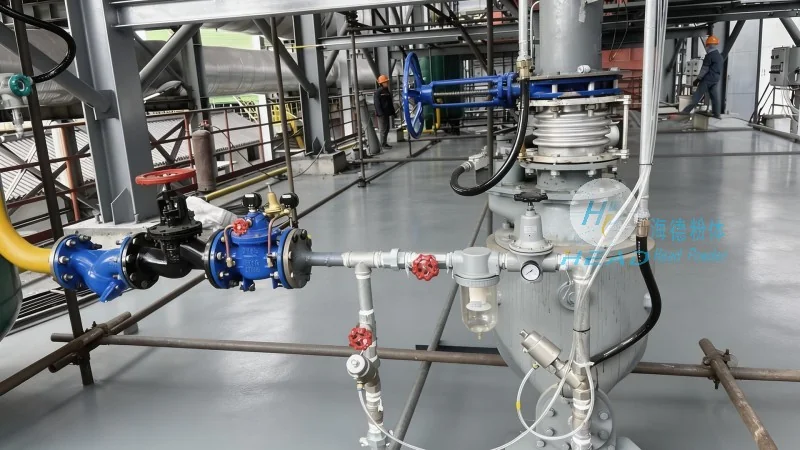
- Feeder: The feeder is responsible for feeding corn grit into the conveying line at a controlled rate. It ensures a consistent flow of material, preventing blockages and maintaining system efficiency. The feeder may be a screw feeder, vibratory feeder, or other type depending on the specific application requirements.
- Pneumatic Conveying Pipe: The main component of the system, the pipe is where the corn grit is transported using air pressure. The pipe is typically made of durable materials like stainless steel or high-density polyethylene (HDPE) to withstand the abrasive nature of corn grit and resist corrosion. The pipe diameter and length are carefully selected based on the material volume and conveying distance.
- Blower or Air Compressor: This component generates the necessary air pressure to move the corn grit through the pipe. The choice between a blower and an air compressor depends on the system's requirements, such as the distance and volume of material to be conveyed. A blower is often used for short-distance conveying, while an air compressor is preferred for longer distances or higher material volumes.
- Separation and Cleaning Equipment: After the corn grit reaches its destination, separation equipment is used to separate the material from the air. This may include cyclones or filters, which help in maintaining the purity of the conveyed material and preventing dust accumulation. The separated air is then discharged, while the corn grit is collected in a receiving hopper or storage container.
- Control System: The control system monitors and regulates the operation of the conveying line, ensuring optimal performance and safety. It includes sensors and valves that adjust the air flow and material feed as needed. The control system may also include alarms and safety features to prevent system overloads or blockages.
Operation Process of Corn Grit Pneumatic Conveying Lines
The operation of a corn grit pneumatic conveying line involves several sequential steps that ensure the smooth transport of material. The process typically begins with the corn grit being fed into the system from a storage silo or hopper. The feeder then delivers the material at a controlled rate into the pneumatic conveying pipe.
Simultaneously, the blower or air compressor generates the required air pressure, which is introduced into the pipe. The air flow, combined with the material, creates a mixture that moves through the pipe to the destination point. The air pressure and flow rate are carefully controlled to ensure the corn grit is transported efficiently without causing excessive wear on the system components. The control system continuously monitors the process, adjusting parameters as needed to maintain optimal performance.
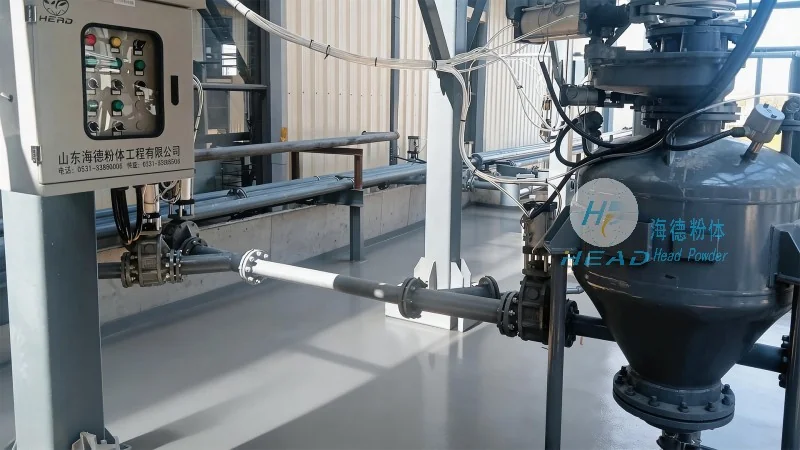
Upon reaching the destination, the corn grit is separated from the air using separation equipment. The separated material is then collected in a receiving hopper or storage container, while the air is filtered and discharged. The control system ensures that the material is discharged at a consistent rate, preventing overfilling or underfilling of the receiving container. The entire process is automated, reducing the need for manual intervention and minimizing human error.
Working Principle of Corn Grit Pneumatic Conveying Lines
The working principle of a corn grit pneumatic conveying line is based on the principle of fluidization and pneumatic transport. When air is introduced into the conveying pipe at a sufficient velocity, it creates a fluidized state where the corn grit particles are suspended and carried along with the air flow. This fluidization allows the material to move through the pipe with minimal friction and resistance, ensuring efficient transport.