

Operation Process and Working Principle of Silicate Pneumatic Conveying Equipment
HeadPowder, a leading manufacturer based in Shandong, China, specializes in the design and production of advanced silicate pneumatic conveying systems. These systems are engineered to efficiently transport silicate materials, such as silica, kaolin, and other fine powders, with precision and reliability. The operation of these systems involves a sophisticated process that combines air flow, pressure control, and material handling technology to ensure optimal performance in various industrial applications.

Working Principle of Pneumatic Conveying Systems
The core working principle of silicate pneumatic conveying equipment revolves around the use of compressed air to move material particles through a pipeline. In a typical system, the silicate material is fed into a hopper or feeder, where it is then introduced into a pipeline. Compressed air, generated by a blower or compressor, is introduced into the pipeline, creating a flow that propels the material forward. The system utilizes either positive pressure (pressure conveying) or negative pressure (vacuum conveying) to transport the material, depending on the specific requirements of the application. The design of the system, including the type of air nozzle, pipeline diameter, and pressure levels, is critical to achieving efficient and consistent material transport.
Key Components and Their Functions
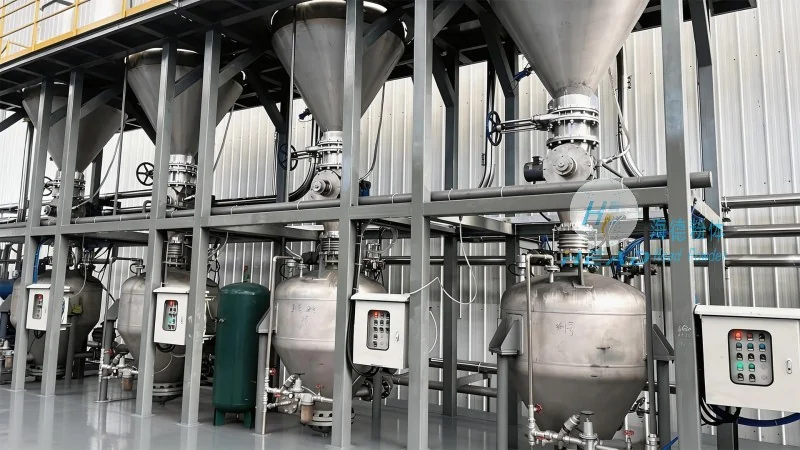
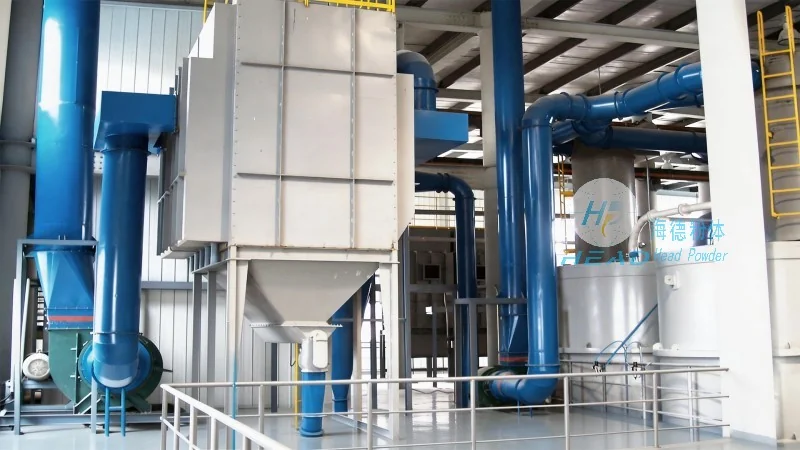
Several key components work in tandem to ensure the smooth operation of silicate pneumatic conveying equipment. The hopper or feeder is responsible for storing and feeding the silicate material into the system. The air nozzle or venturi is a critical component that creates the necessary air flow to move the material. The pipeline network connects the various sections of the system, including the feeder, silo, and discharge point. The blower or compressor provides the compressed air required for the conveying process. Additionally, filters and separators are used to remove any moisture or contaminants from the material, ensuring the quality of the transported product. Each component is carefully designed and manufactured to withstand the demands of handling silicate materials, which can be abrasive and require precise control.
Operation Process: From Material Loading to Discharge
The operation process of silicate pneumatic conveying equipment begins with the loading of the silicate material into the hopper. The material is then fed into the pipeline through the air nozzle, where it is carried by the air flow. The system maintains a consistent pressure and air flow rate to ensure that the material moves smoothly through the pipeline. At the discharge point, the material is separated from the air and collected in a receiving container. The entire process is automated and controlled by a system of sensors and valves, which monitor the pressure, flow rate, and material level to maintain optimal operation. The efficiency of the system is enhanced by the use of advanced control systems that adjust the air flow and pressure in real-time, based on the material characteristics and system conditions.
Advantages of Silicate Pneumatic Conveying Systems
Silicate pneumatic conveying systems offer several advantages over traditional material handling methods. These systems are highly efficient, as they can transport materials over long distances with minimal energy consumption. They are also flexible, as the system can be easily adjusted to handle different types of silicate materials and varying production rates. The systems are also hygienic and clean, as they do not require direct contact between the material and the equipment, reducing the risk of contamination. Additionally, the systems are compact and can be integrated into existing production lines, making them a cost-effective solution for many industrial applications.
Applications in Industrial Settings
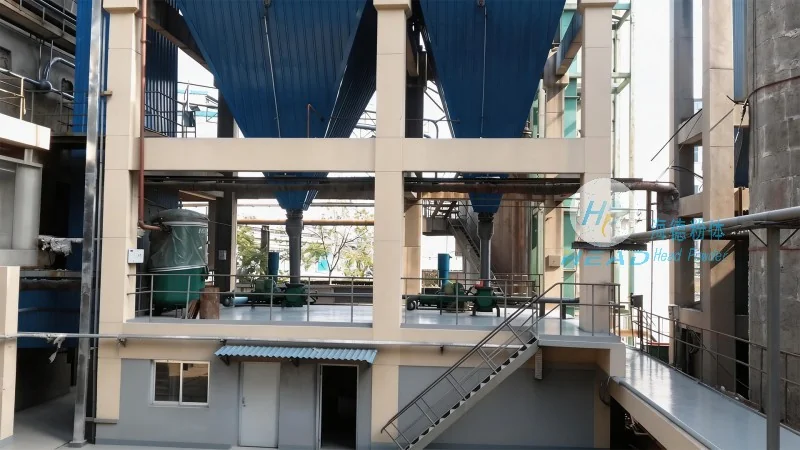
Silicate pneumatic conveying equipment is widely used in various industrial sectors, including the chemical, pharmaceutical, and food industries. In the chemical industry, these systems are used to transport silica and other fine powders used in the production of ceramics, glass, and other materials. In the pharmaceutical industry, the systems are used to transport kaolin and other materials used in the production of drugs and cosmetics. In the food industry, the systems are used to transport flour, sugar, and other fine powders used in the production of food products. The versatility of the systems makes them suitable for a wide range of applications, and their ability to handle different materials makes them a valuable asset in many industrial settings.
Maintenance and Troubleshooting
Regular maintenance is essential to ensure the optimal performance of silicate pneumatic conveying equipment. The system should be inspected regularly for any signs of wear or damage, and the components should be cleaned and replaced as needed. The air filters and separators should be checked and cleaned regularly to prevent clogging and ensure efficient operation. If the system is not operating as expected, troubleshooting steps should be taken to identify and resolve the issue. Common issues include clogged pipelines, low air pressure, or material buildup in the hopper. By addressing these issues promptly, the system can be restored to optimal performance, minimizing downtime and ensuring consistent material transport.