

Operation Process and Working Principle of Lithium Fluoride Pneumatic Conveying Equipment
HeadPowder, a leading manufacturer based in Shandong, China, specializes in the design, production, and supply of advanced pneumatic conveying equipment. Our company, Shandong HeadPowder Engineering Co., Ltd., is dedicated to providing high-quality solutions for material handling, particularly in the processing of lithium fluoride and other fine powders. This article delves into the operation process and working principle of our lithium fluoride pneumatic conveying equipment, highlighting its efficiency, reliability, and technical advantages.
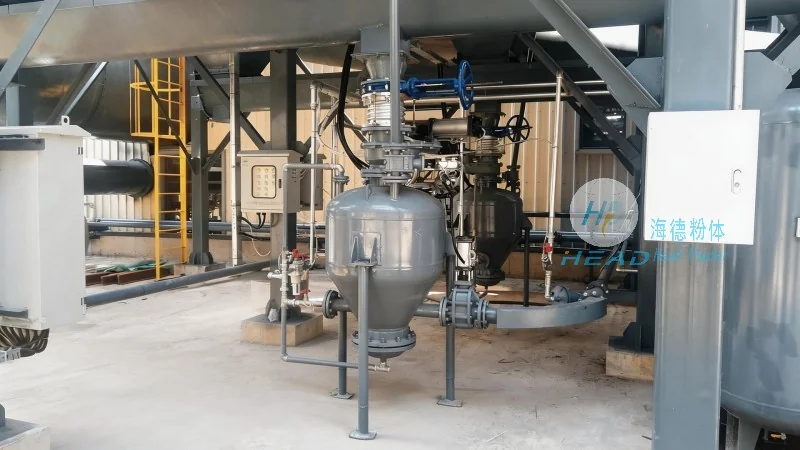
Working Principle of Lithium Fluoride Pneumatic Conveying Equipment
The core of lithium fluoride pneumatic conveying equipment lies in the principle of pneumatic transport, where solid particles are transported through a pipeline using a gas stream. The system typically consists of a blower, a hopper for material storage, a conveying pipeline, and a receiver for product collection. The working principle involves several key steps: first, the material is fed into the hopper under gravity or via a feeder. Then, the blower generates a high-velocity air flow, which draws the lithium fluoride particles into the pipeline. The air flow carries the particles through the system, maintaining a stable flow rate and preventing particle segregation or agglomeration. The receiver at the end of the pipeline collects the conveyed material, completing the transport process. This method is particularly effective for handling fine powders like lithium fluoride, as it minimizes material loss and ensures consistent particle size distribution.

Operation Process of Lithium Fluoride Pneumatic Conveying Equipment
The operation process of our lithium fluoride pneumatic conveying equipment is designed for simplicity and efficiency, ensuring smooth and continuous material transport. The process begins with the preparation phase, where the hopper is filled with lithium fluoride powder, and the system is checked for proper air pressure and flow rates. Once the system is ready, the following steps are executed: 1. System Startup: The blower is activated, and the air flow is adjusted to the optimal velocity for conveying lithium fluoride. The system is then allowed to stabilize, ensuring that the air pressure and flow are consistent. 2. Material Conveying: The feeder or hopper valve is opened, allowing the lithium fluoride particles to enter the pipeline. The air flow carries the particles through the conveying line, reaching the receiver. The process continues until the desired amount of material is transported. 3. System Shutdown: After the conveying is complete, the feeder is closed, and the blower is turned off. The system is then depressurized to prevent dust accumulation and ensure safe operation. This sequential operation ensures that the equipment operates safely and efficiently, minimizing downtime and maximizing productivity.
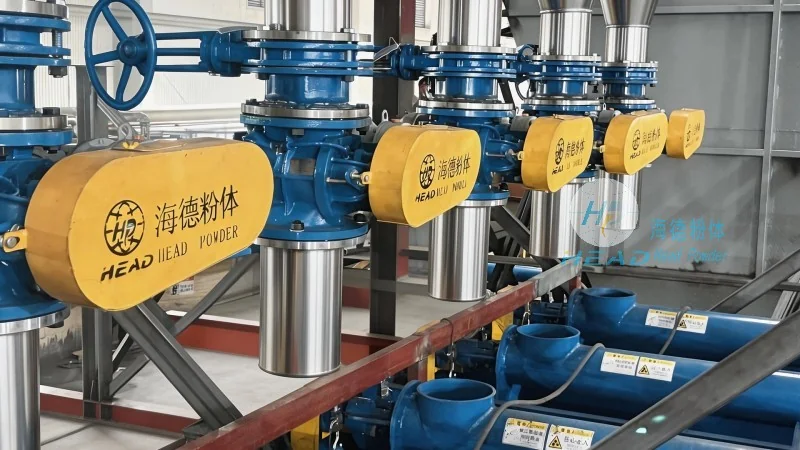
Technical Features and Advantages
Our lithium fluoride pneumatic conveying equipment incorporates several technical features that enhance its performance and reliability. First, the system uses a high-efficiency blower that provides consistent air pressure and flow, ensuring stable particle transport. The conveying pipeline is designed with smooth inner surfaces to minimize friction and particle wear, extending the equipment's lifespan. Additionally, the equipment includes a dust collection system to capture any airborne particles, maintaining a clean and safe working environment. The control system is user-friendly, allowing operators to adjust parameters such as air velocity and material feed rate with ease. These features make our equipment suitable for various industrial applications, including chemical processing, pharmaceutical manufacturing, and food processing, where the handling of fine powders is critical.
Application Scenarios
Lithium fluoride pneumatic conveying equipment is widely used in industries that require the transport of fine powders, such as lithium fluoride production, chemical synthesis, and pharmaceuticals. In lithium fluoride production, the equipment is used to transport raw materials and finished products between processing units, ensuring a continuous flow of material. In chemical synthesis, it helps in the transfer of reagents and intermediates, maintaining process efficiency. In pharmaceutical manufacturing, the equipment is used to handle active pharmaceutical ingredients (APIs) and excipients, ensuring compliance with stringent quality and safety standards. The equipment's ability to handle fine powders without segregation or contamination makes it an ideal choice for these applications.
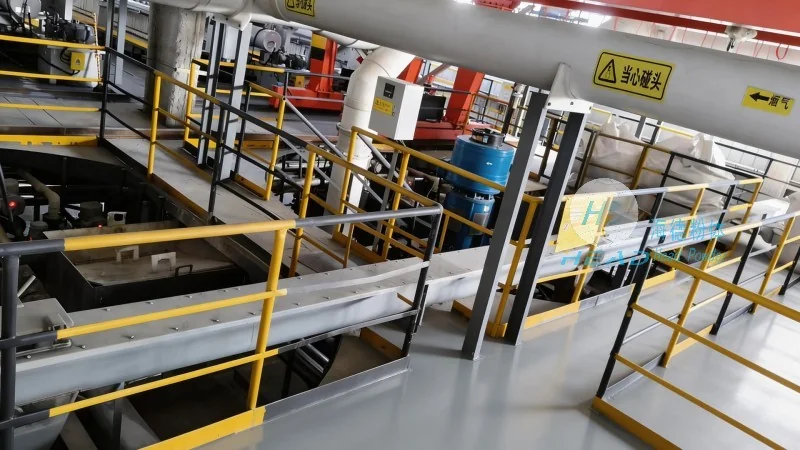
Maintenance and Safety Considerations
Maintaining the lithium fluoride pneumatic conveying equipment is essential to ensure its long-term performance and safety. Regular maintenance includes checking the blower for wear and tear, cleaning the conveying pipeline to prevent clogging, and inspecting the dust collection system for proper operation. The equipment should be inspected regularly for any signs of wear or damage, and parts should be replaced as needed. Safety considerations are also critical, as the system operates at high air pressures and velocities. Operators should follow proper safety protocols, including wearing protective equipment and ensuring that the system is depressurized before maintenance. Additionally, the equipment should be equipped with safety features such as pressure relief valves and emergency shutdown buttons to prevent accidents. By following these maintenance and safety guidelines, the equipment can operate reliably and safely for extended periods.