

Principles and Working Scene Characteristics of Phosphate Lithium Iron Material Handling
Phosphate lithium iron (LFP) is a critical component in modern battery technologies, widely used in electric vehicles, energy storage systems, and portable electronics. The efficient handling and transportation of LFP raw materials and finished products are essential for maintaining production efficiency and ensuring product quality. This article explores the fundamental principles of LFP material handling, along with key characteristics of its operational environments.
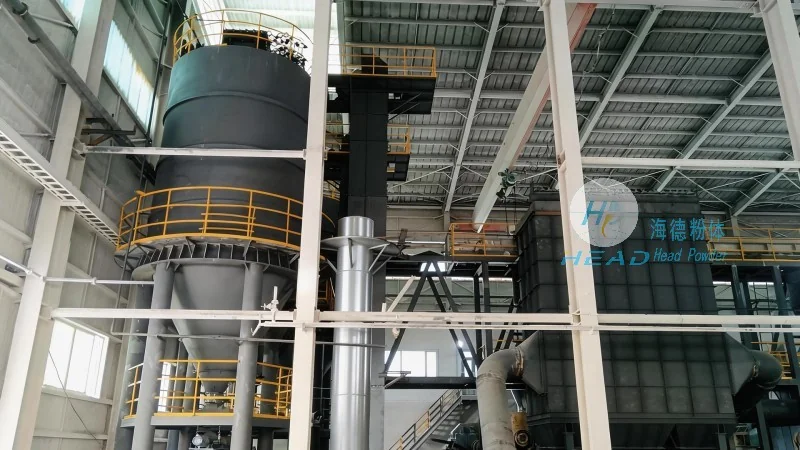
Core Principles of LFP Material Handling Systems
The material handling of LFP involves several core principles designed to ensure safety, efficiency, and precision. Key components include conveyor systems, feeding mechanisms, and storage solutions tailored to the physical properties of LFP powders and pellets. For instance, LFP materials are often handled as fine powders or granules, requiring specialized equipment to prevent dust generation and maintain material integrity. The design of these systems emphasizes minimal material degradation, consistent flow rates, and compliance with industrial safety standards.
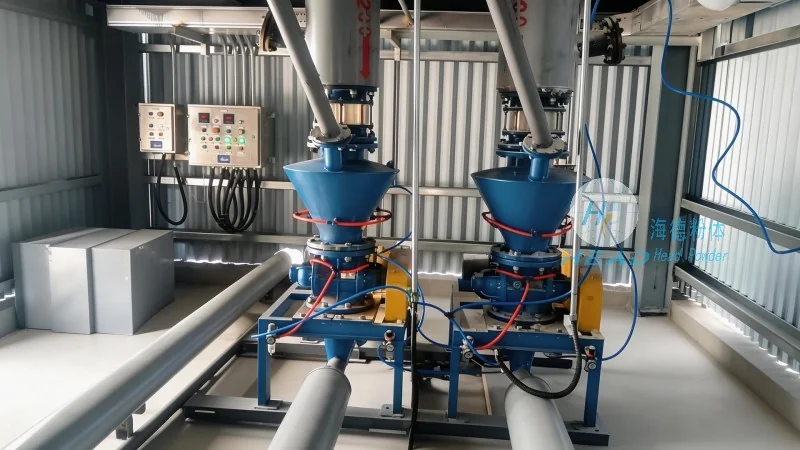
Working Scene Characteristics and Application Scenarios
LFP material handling operations typically occur in industrial manufacturing facilities, battery production lines, and material processing plants. The working scenes are characterized by high-volume production requirements, strict quality control measures, and the need for automated, continuous processes. For example, in a battery cell manufacturing plant, LFP powders are transported from storage silos to mixing and coating lines through pneumatic conveying or belt conveyor systems. The operational environment often involves controlled temperature and humidity to prevent material moisture absorption, which can affect battery performance.
Technical Advantages and Operational Efficiency
Modern LFP material handling systems leverage advanced technologies to enhance operational efficiency. Features such as variable speed drives, real-time monitoring, and automated control systems allow for precise material flow management. These systems reduce downtime, minimize waste, and improve overall production throughput. Additionally, the use of dust collection and filtration systems ensures compliance with environmental regulations while maintaining a safe working environment for personnel.

Company Profile and Expertise in LFP Material Handling Solutions
Shandong HeadPowder Engineering Co., Ltd., a leading provider of material handling solutions, specializes in designing and implementing systems for LFP and other battery materials. With a focus on innovation and customer-centric solutions, HeadPowder offers tailored equipment that meets the specific needs of LFP processing. The company’s facilities are located in Shandong, China, where it leverages local expertise and resources to deliver high-quality, reliable material handling systems. By combining technical expertise with practical application knowledge, HeadPowder supports clients in optimizing their LFP material handling processes and enhancing overall production performance.