

Principle and Working Scene Characteristics of Desulfurization and Dust Removal Fly Ash Powder Conve
Desulfurization and dust removal processes in power plants and industrial facilities generate large volumes of fly ash, which requires efficient and reliable transportation systems to handle this fine powder. The fly ash powder conveying system is a critical component in managing these byproducts, ensuring safe and effective transport from collection points to disposal or utilization sites. This article explores the fundamental principles behind such systems, as well as the key characteristics of their operational environments.
Core Principles of Fly Ash Powder Conveying Systems
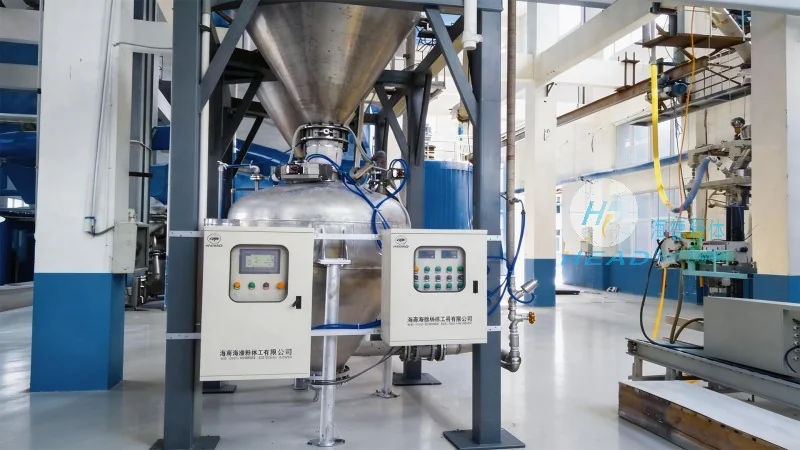
The primary goal of a fly ash powder conveying system is to transport fine particulate matter, such as that produced during flue gas desulfurization and dust removal, with minimal loss, contamination, or environmental impact. These systems typically operate under negative pressure or positive pressure conditions, depending on the specific application and material properties. Negative pressure systems, often referred to as vacuum conveyors, draw the ash from the source and transport it through a sealed pipeline to the destination. Positive pressure systems, or pressure conveyors, use compressed air or other gases to push the ash through the pipeline. Both approaches aim to maintain the integrity of the ash particles, preventing agglomeration or degradation during transport.
Key components of a typical fly ash powder conveying system include the ash collection hopper, the conveying pipeline (often made of stainless steel or other corrosion-resistant materials to withstand acidic or alkaline conditions), the conveying unit (either a vacuum pump or a positive displacement blower), and the discharge unit. The system may also incorporate accessories like filters, silencers, and pressure relief valves to ensure safe and efficient operation. The design of the system must consider factors such as the ash's moisture content, particle size distribution, and flowability, as these properties directly impact the conveying efficiency and equipment lifespan.
Working Scene Characteristics of Fly Ash Powder Conveying Systems
The operational environment for fly ash powder conveying systems is often characterized by high dust concentrations, variable temperature conditions, and the presence of corrosive gases. These factors necessitate robust equipment that can withstand harsh conditions while maintaining performance. Industrial facilities, particularly thermal power plants and cement factories, are common settings where such systems are deployed. The systems are typically integrated into existing plant infrastructure, requiring careful planning to ensure compatibility with existing processes and equipment.
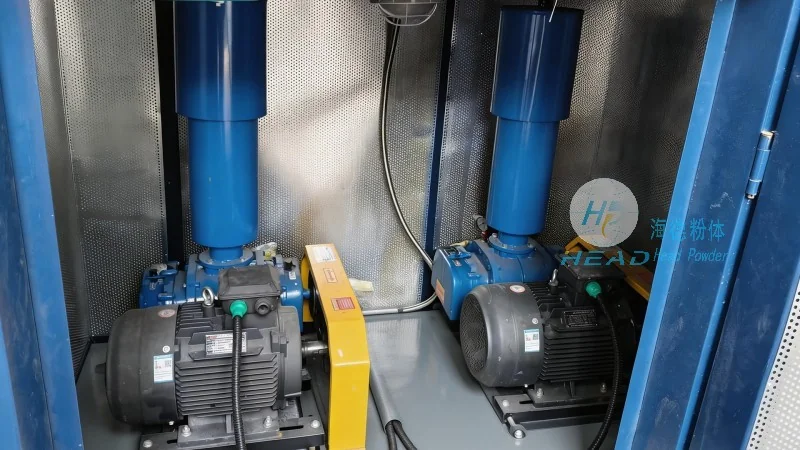
In power plants, for example, the fly ash is generated from the combustion of coal, and the conveying system must handle large volumes of ash from multiple sources, such as electrostatic precipitators and bag filters. The systems are designed to operate continuously, often 24/7, to meet the demands of the plant's desulfurization and dust removal processes. The working environment may also involve exposure to high temperatures from the flue gas, which requires the use of heat-resistant materials and proper insulation for the conveying components.
Another important aspect of the working scene is the need for safety and environmental compliance. Fly ash is a hazardous material due to its fine particle size and potential contamination with heavy metals or other pollutants. The conveying system must be sealed to prevent dust emissions into the environment, and the equipment must be equipped with proper filtration and ventilation systems to protect personnel from inhalation hazards. Additionally, the system's design must adhere to local regulations regarding waste management and air quality, ensuring that the fly ash is transported and disposed of in an environmentally responsible manner.
Company Profile: Shandong HeadPowder Engineering Co., Ltd.
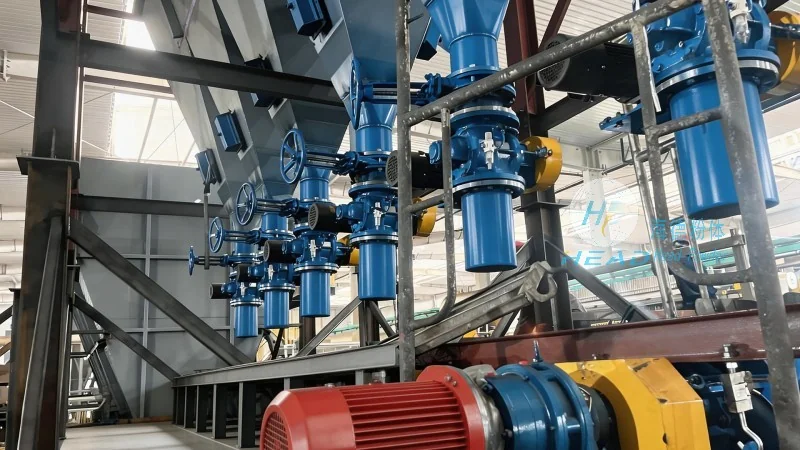
HeadPowder, a leading provider of engineering solutions for industrial powder handling, specializes in the design, manufacturing, and installation of fly ash powder conveying systems. With a focus on innovation and customer-centric solutions, the company has established itself as a trusted partner in the power and industrial sectors. HeadPowder's expertise lies in developing customized systems that meet the unique requirements of each project, ensuring optimal performance and reliability. The company's headquarters is located in Shandong, China, where it leverages advanced technology and skilled engineering teams to deliver high-quality products and services.
HeadPowder's commitment to quality is reflected in its adherence to international standards and rigorous testing protocols. The company's systems are designed to handle a wide range of ash types and flow rates, with options for both vacuum and pressure conveying. The equipment is built to withstand the harsh conditions of industrial environments, with corrosion-resistant materials and durable components that ensure long-term operation. Additionally, HeadPowder provides comprehensive after-sales support, including maintenance, repair, and technical assistance, to ensure that its customers' systems operate at peak efficiency throughout their service life.
By combining technical expertise with a customer-focused approach, HeadPowder has become a key player in the market for desulfurization and dust removal fly ash powder conveying systems. The company's solutions help industrial facilities improve operational efficiency, reduce environmental impact, and comply with regulatory requirements, making them an essential partner for businesses in the power and industrial sectors.