

Principles and Working Scenarios of Vehicle-Mounted Material Transport Systems
Vehicle-mounted material transport systems represent a sophisticated approach to logistics and material handling, designed to enhance operational efficiency in various industrial and commercial environments. These systems integrate advanced engineering solutions to facilitate the movement of goods from one location to another while mounted on a mobile platform, such as a truck or specialized transport vehicle. The core principles of these systems revolve around automation, precision, and adaptability, ensuring that material handling tasks are executed safely and effectively.
Core Principles of Vehicle-Mounted Material Transport
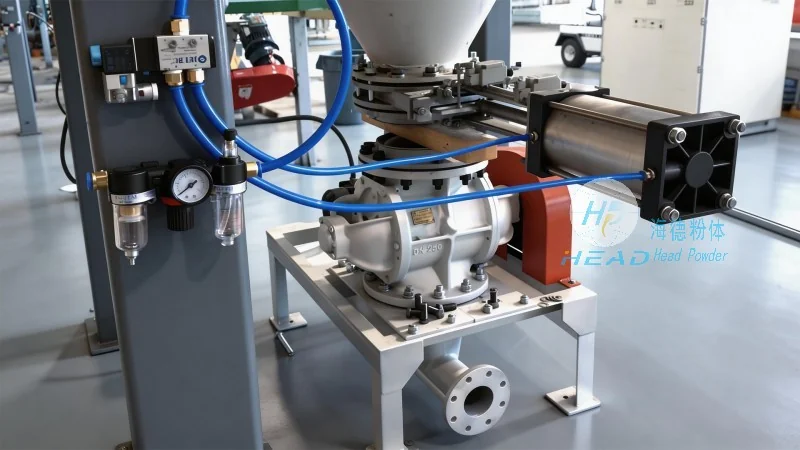
The fundamental principles underlying vehicle-mounted material transport systems include the integration of mechanical, electrical, and control technologies to achieve seamless material handling. Key components typically include a lifting mechanism, a conveyor system, and a control unit that coordinates the movement of materials. The lifting mechanism may involve hydraulic or electric actuators that raise and lower the material handling platform, while the conveyor system ensures continuous movement of items from the loading area to the unloading point. The control unit, often equipped with sensors and a user interface, allows operators to monitor and adjust the system parameters in real-time, optimizing performance based on the specific load and operational conditions.
One of the critical principles is the emphasis on safety and compliance with industrial standards. Vehicle-mounted systems are engineered to meet safety regulations, including load capacity limits, stability controls, and emergency stop mechanisms. This ensures that operators can handle materials without compromising safety, reducing the risk of accidents and equipment damage. Additionally, the systems are designed for durability and reliability, with robust construction to withstand the rigors of industrial environments, including exposure to dust, moisture, and varying temperatures.
Working Scenarios and Application Characteristics
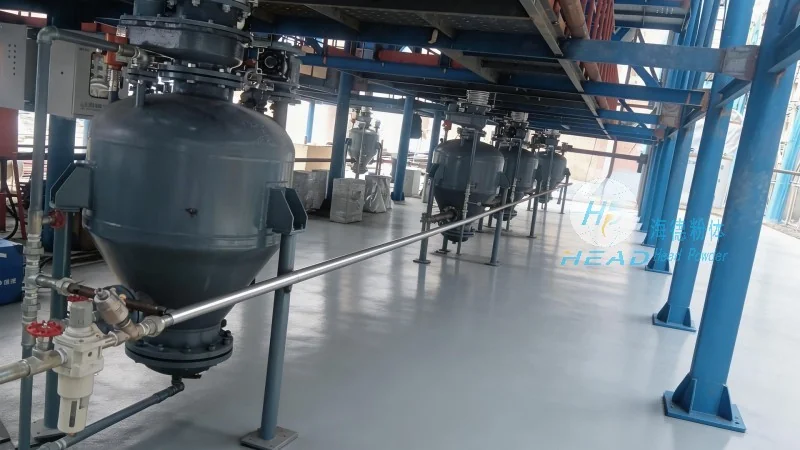
Vehicle-mounted material transport systems are deployed in diverse working scenarios, each tailored to meet the unique demands of specific industries. In manufacturing facilities, these systems are commonly used for intra-factory material transfer, such as moving raw materials from storage to production lines or finished products from assembly areas to shipping zones. The mobility of the vehicle allows for flexible routing, enabling the system to adapt to changing production schedules and workflow requirements.
In construction sites, vehicle-mounted material transporters are utilized for transporting building materials like bricks, concrete, and steel components to different levels of a structure. The ability to maneuver on-site and lift heavy loads efficiently reduces manual labor and enhances construction speed. Similarly, in logistics and distribution centers, these systems assist in loading and unloading trucks, streamlining the process of receiving and dispatching goods. The systems can handle various types of cargo, including palletized goods, bulk materials, and specialized items, making them versatile for different logistics operations.
The working scenarios also highlight the adaptability of vehicle-mounted systems to different operational scales. For small-scale operations, such as local delivery services or small workshops, compact and lightweight systems are available, providing flexibility without the need for extensive infrastructure. In contrast, large-scale industrial applications may involve heavy-duty systems capable of handling large volumes of materials, supporting high-throughput production lines. This adaptability ensures that the systems can be integrated into existing workflows without significant disruptions, enhancing overall operational efficiency.
Advantages and Operational Benefits
Implementing vehicle-mounted material transport systems offers several advantages that contribute to improved productivity and cost-effectiveness. One of the primary benefits is the reduction in manual labor, as the systems automate the material handling process, minimizing the need for human intervention in repetitive tasks. This not only improves safety by reducing the risk of injuries associated with manual lifting and moving but also increases operational speed, as the systems can operate continuously without the need for breaks.
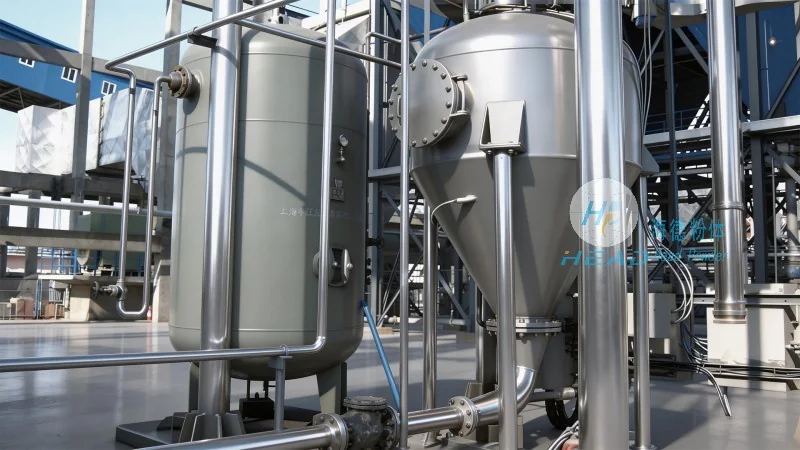
Another key advantage is the enhanced flexibility and scalability of the systems. Unlike fixed material handling equipment, vehicle-mounted systems can be repositioned as needed, allowing for dynamic adjustments to workflow changes. This flexibility is particularly valuable in industries with fluctuating demand or changing production layouts. Additionally, the systems can be integrated with other automation technologies, such as warehouse management systems (WMS) and enterprise resource planning (ERP) software, to create a comprehensive logistics solution that optimizes inventory management and order fulfillment.
The operational benefits also extend to cost savings and resource efficiency. By reducing the time and effort required for material handling, these systems lower labor costs and minimize the risk of material damage during transport. The automation of processes also leads to improved accuracy in order fulfillment, reducing errors and the need for rework. Furthermore, the durability and reliability of the systems result in lower maintenance costs and longer service life, providing a better return on investment for businesses.
Conclusion and Industry Impact
Vehicle-mounted material transport systems exemplify the integration of advanced technology in modern material handling, offering a reliable and efficient solution for various operational needs. By adhering to core principles of safety, precision, and adaptability, these systems enhance productivity and operational flexibility across different industries. As businesses continue to seek innovative solutions to improve logistics and supply chain management, vehicle-mounted material transport systems remain a critical component in achieving operational excellence. The ongoing advancements in automation and control technologies further enhance the capabilities of these systems, ensuring their relevance and importance in the evolving landscape of industrial operations.