

Principles and Application Scenarios of Automatic Tote Bag Material Feeding and Conveying
HeadPowder, a leading engineering solutions provider based in Shandong, China, specializes in the design and implementation of automated material handling systems. This article explores the core principles behind automatic tote bag feeding and conveying systems, along with key characteristics of their operational environments. By understanding these aspects, industries such as pharmaceuticals, chemicals, and food processing can optimize their material handling processes, enhance efficiency, and reduce operational costs.
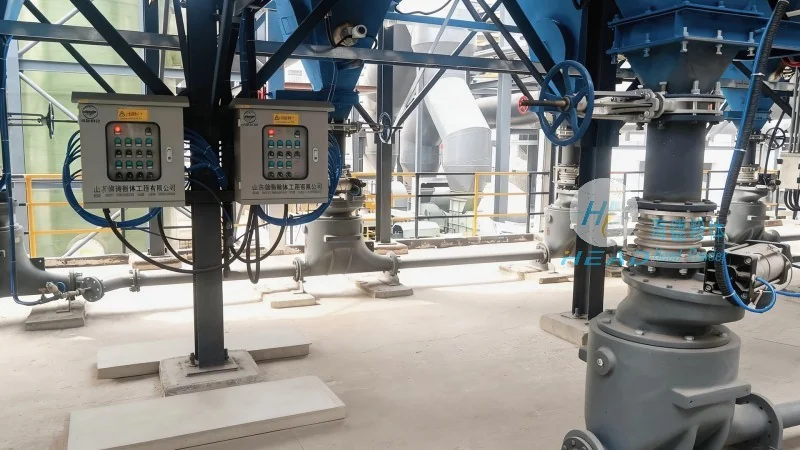
Understanding the Core Principles of Automatic Tote Bag Material Feeding
The automatic tote bag material feeding process involves several integrated components working in harmony to ensure seamless material transfer. At its foundation, the system relies on precise control mechanisms to manage the movement of tote bags from storage to processing areas. Key components typically include automated lifting mechanisms, conveyor systems, and material handling robots or automated guided vehicles (AGVs). These elements are orchestrated through advanced control systems, often utilizing programmable logic controllers (PLCs) and human-machine interfaces (HMIs) to facilitate real-time monitoring and adjustment. The feeding process begins with the detection of tote bags in storage racks or staging areas, where sensors identify the presence and position of each bag. Once detected, the system activates the lifting mechanism to pick up the tote bag, ensuring stable and secure handling to prevent spillage or damage to the contents. The lifting mechanism may employ vacuum suction, mechanical grippers, or hydraulic systems, depending on the material properties and bag design. After lifting, the tote bag is transferred to the conveyor system, which transports it to the processing or discharge point. The conveyor system can be designed as a belt conveyor, chain conveyor, or roller conveyor, tailored to the specific characteristics of the material being handled. For example, in applications involving powders or granules, a belt conveyor with a dust-proof enclosure may be used to minimize material loss and maintain hygiene standards. The integration of sensors and feedback loops ensures that the system adjusts its operation based on real-time conditions, such as the weight of the tote bag or the presence of obstacles. This dynamic control enhances the reliability and safety of the feeding process, minimizing downtime and operational risks.
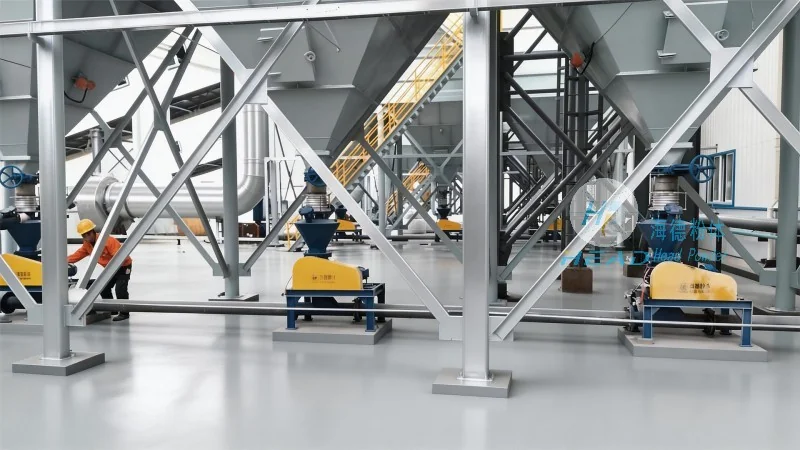
Key Operational Characteristics of Automatic Tote Bag Conveying Systems
Automatic tote bag conveying systems exhibit several distinct operational characteristics that define their performance and suitability for various industrial applications. One of the primary characteristics is the system's ability to handle high volumes of material efficiently. By automating the feeding and conveying process, industries can achieve significant increases in throughput compared to manual handling methods. This is particularly beneficial in high-demand manufacturing environments where consistent and rapid material supply is critical. Another key characteristic is the system's adaptability to different material types and bag sizes. Modern automatic systems are designed with modular components that can be easily reconfigured to accommodate changes in material properties or bag dimensions. This flexibility reduces the need for extensive system overhauls, making it cost-effective for evolving production needs. Additionally, the systems often incorporate advanced safety features to protect both personnel and equipment. Sensors and emergency stop mechanisms are integrated to prevent accidents during operation, while the design minimizes the risk of material spillage or contamination. The operational speed of the system is another critical characteristic, as it directly impacts overall production efficiency. High-speed conveying mechanisms, such as belt conveyors with variable speed drives, allow for rapid material transfer, reducing cycle times and improving productivity. The system's reliability is also a defining feature, with redundant components and regular maintenance protocols ensuring consistent performance over extended periods. This reliability minimizes the risk of production interruptions and supports continuous operation in demanding industrial settings.
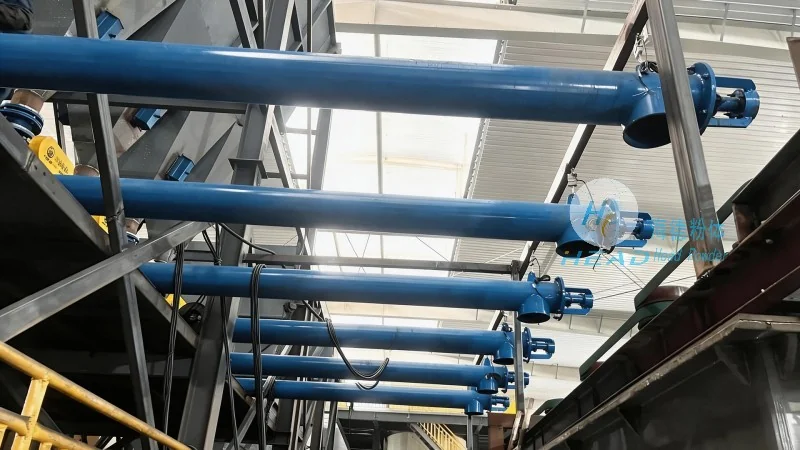
Application Scenarios and Industry-Specific Benefits
Automatic tote bag material feeding and conveying systems are widely applied across various industries, each benefiting from the system's unique capabilities. In the pharmaceutical industry, for example, these systems are used to handle sensitive materials such as active pharmaceutical ingredients (APIs) and excipients. The automated process ensures strict adherence to hygiene and contamination control standards, which are essential for maintaining product quality and regulatory compliance. The system's precision in handling tote bags minimizes the risk of cross-contamination, while the enclosed conveyor design prevents dust and particles from entering the production environment. In the chemical industry, automatic tote bag feeding is employed to manage bulk chemicals, including hazardous substances. The system's ability to handle heavy and potentially corrosive materials is enhanced by robust construction and specialized materials for the conveyor components. The automated process reduces human exposure to dangerous chemicals, improving workplace safety and reducing the risk of accidents. The food processing industry also utilizes these systems for handling raw materials such as grains, powders, and spices. The systems are designed with food-grade components and cleaning protocols to meet stringent hygiene requirements. The automated feeding process ensures consistent material flow, which is crucial for maintaining production line efficiency and product quality. In addition to these industries, the systems are applied in sectors like mining and construction for handling bulk materials such as ores and aggregates. The high throughput and reliability of the system support large-scale operations, reducing the need for manual labor and improving operational efficiency. Each application scenario leverages the core principles of automatic feeding and conveying, tailored to meet the specific demands of the industry. The result is enhanced productivity, improved safety, and reduced operational costs, making these systems a valuable investment for modern industrial operations.
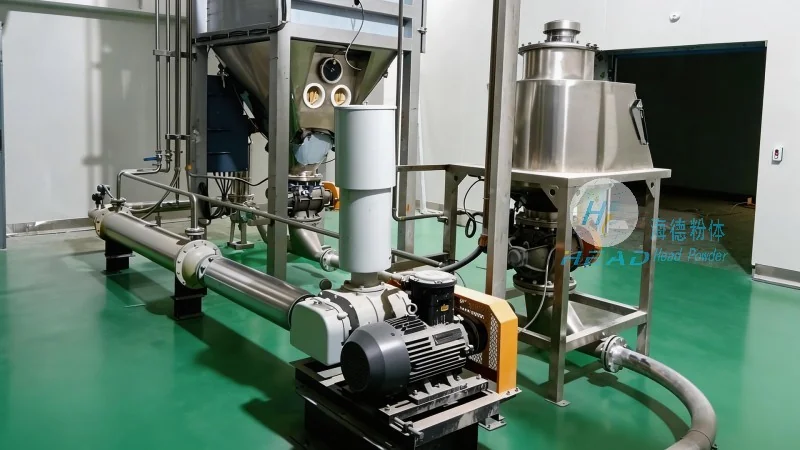
Conclusion and Future Developments
Automatic tote bag material feeding and conveying systems represent a significant advancement in industrial material handling technology. By integrating advanced control systems, automated components, and robust design, these systems offer unparalleled efficiency and reliability. The core principles of precise material handling, adaptive operation, and safety-focused design ensure that they can meet the diverse needs of modern industries. As technology continues to evolve, future developments may include the integration of artificial intelligence (AI) and machine learning (ML) to further optimize system performance. AI-driven systems could enhance predictive maintenance, allowing for proactive identification and resolution of potential issues before they impact operation. Additionally, the adoption of IoT (Internet of Things) technologies may enable real-time monitoring and remote management of the systems, improving operational flexibility and reducing maintenance costs. Despite these advancements, the fundamental principles of automatic feeding and conveying will remain central to the design and implementation of these systems. The continued focus on efficiency, safety, and adaptability will ensure that automatic tote bag material handling systems remain a critical component of industrial operations for years to come. HeadPowder, with its expertise in engineering solutions, continues to innovate and provide tailored systems that meet the evolving demands of its clients, supporting their growth and success in competitive markets.