

Principle and Working Scene Characteristics of Polyurethane Powder Conveying Machines
Polyurethane powder conveying machines are specialized equipment designed for the efficient and reliable transportation of various powder materials. These machines leverage advanced polyurethane technology to ensure smooth and low-friction movement of powders, making them ideal for a wide range of industrial applications. The core principle behind these machines involves the use of polyurethane components, such as conveyor belts or rollers, which are known for their durability and resistance to wear and tear. By understanding the fundamental principles of operation and the specific characteristics of different working environments, users can optimize the performance of these machines for their unique needs.
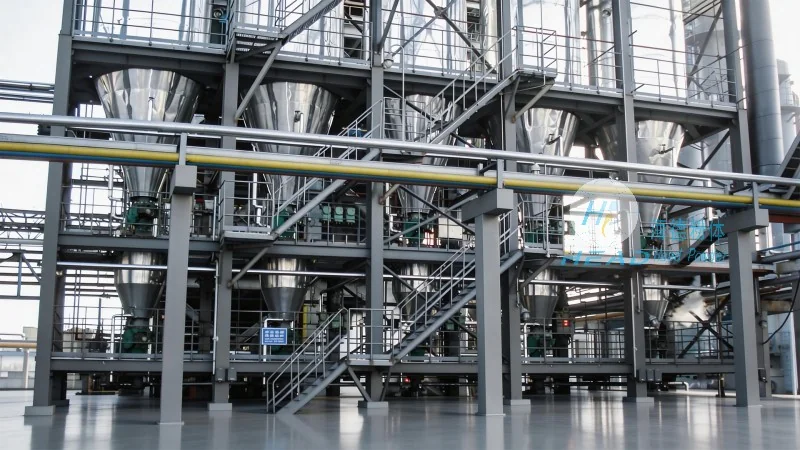
Key Working Principles of Polyurethane Powder Conveying Systems
The operation of a polyurethane powder conveying machine is based on several key principles that ensure efficient material handling. The primary mechanism involves the use of a conveyor system, typically equipped with polyurethane-coated rollers or a flexible polyurethane belt. This design minimizes friction between the powder and the conveying surface, reducing the risk of material degradation or blockages. Additionally, the machine often incorporates a drive system, such as a motor and gearbox, that provides the necessary force to move the powder along the conveyor path. The polyurethane material itself is chosen for its high abrasion resistance, which is crucial when handling abrasive or corrosive powders. This combination of design and material selection allows the machine to operate effectively in demanding industrial settings.
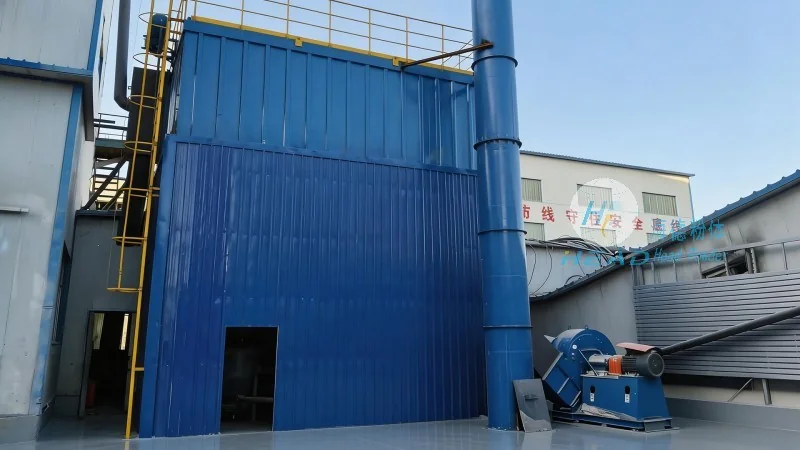
Common Working Scene Characteristics and Applications
Polyurethane powder conveying machines are widely used across various industries due to their adaptability to different working environments. One of the key characteristics is their ability to handle a diverse range of powder types, including fine powders, granules, and even bulk materials. This versatility makes them suitable for applications in sectors like pharmaceuticals, food processing, chemical manufacturing, and mining. In pharmaceutical and food industries, the machines are often used to transport powders that require strict hygiene standards, as polyurethane components can be easily cleaned and sanitized. In chemical manufacturing, they are employed to handle abrasive or corrosive powders, where the durability of polyurethane is particularly advantageous. The working scene characteristics also include the need for low maintenance and high efficiency, as these machines are designed to operate continuously without frequent downtime. Additionally, the compact design of many polyurethane powder conveyors allows them to fit into tight spaces, making them suitable for facilities with limited floor space. The adaptability to different powder properties and working conditions makes these machines a reliable choice for industries that demand consistent and efficient material handling solutions.
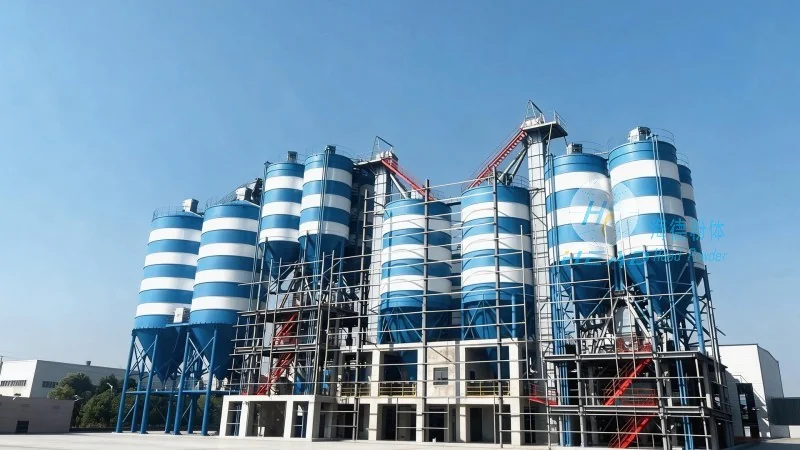
Company Information: Shandong HeadPowder Engineering Co., Ltd.
HeadPowder, a leading manufacturer of industrial conveying equipment, specializes in the design and production of high-quality polyurethane powder conveying machines. With a strong focus on innovation and customer satisfaction, the company has established itself as a trusted partner in the industry. HeadPowder's facilities are located in Shandong, China, where the company leverages advanced manufacturing technologies and a skilled workforce to produce equipment that meets the highest standards of quality and performance. The company's commitment to research and development ensures that their products are continuously improved to meet evolving industry needs. By providing reliable and efficient solutions for powder handling, HeadPowder helps businesses enhance their operational efficiency and reduce costs. The company's products are widely recognized for their durability, low maintenance requirements, and adaptability to various working environments, making them a preferred choice for industries that require consistent and dependable material transport solutions.