

Principle and Working Scene Characteristics of Denitrizer Powder Conveying Machines
Denitrizer powder conveying machines are critical equipment in industrial processes, particularly in power plants and environmental protection facilities where efficient handling of nitrogen oxide reduction agents is essential. This article explores the fundamental principles behind these machines and highlights key characteristics of their operational environments.
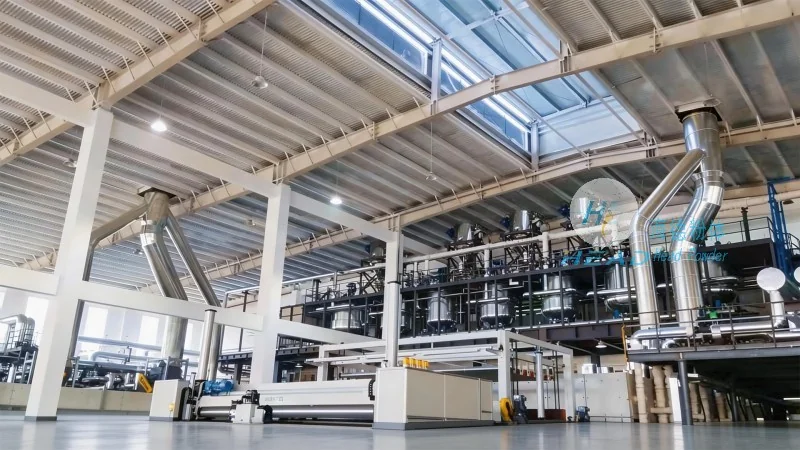
About HeadPowder: Leading Denitrizer Powder Conveying Solutions
HeadPowder, a prominent manufacturer based in Shandong, China, specializes in providing advanced powder conveying systems tailored for industrial applications. With a strong commitment to innovation and quality, the company has established itself as a trusted partner in delivering reliable solutions for the transportation of denitrizer powders. HeadPowder Engineering Co., Ltd. operates from its headquarters in Shandong, China, and leverages years of experience to meet the diverse needs of clients across various industries.
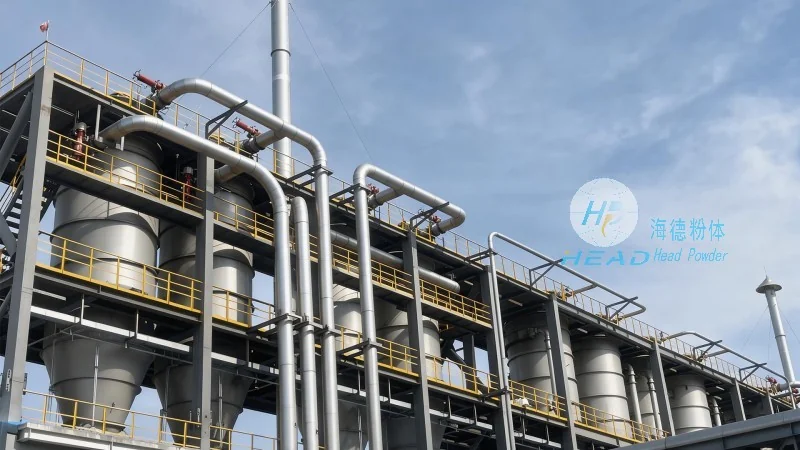
Principle of Denitrizer Powder Conveying Machines
The core principle of denitrizer powder conveying machines revolves around the efficient and safe transportation of fine powders, such as those used in selective catalytic reduction (SCR) systems. These machines typically operate on either positive pressure or negative pressure systems, depending on the specific requirements of the application. Positive pressure systems use compressed air to push the powder through a pipeline, while negative pressure systems create a vacuum to draw the powder from the source. The choice of system depends on factors like the powder's properties, the distance to be conveyed, and the need for dust control. Advanced designs incorporate features like pulse jet cleaning, which helps maintain the integrity of the conveying line and prevents clogging, ensuring consistent performance over time.
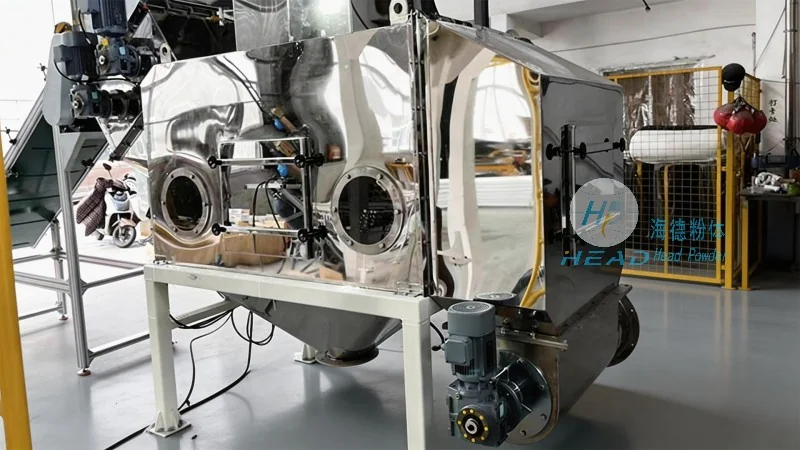
Working Scene Characteristics
The operational environment of denitrizer powder conveying machines is characterized by several key factors that influence their design and functionality. Firstly, the powders being handled are often fine and abrasive, requiring materials that can withstand wear and corrosion. Stainless steel and special alloys are commonly used for the construction of conveying components to ensure durability and longevity. Secondly, the systems must operate in controlled conditions to prevent dust emissions and maintain air quality, as denitrizer powders can be harmful if released into the atmosphere. This necessitates the use of sealed and enclosed systems with effective filtration and dust collection mechanisms. Thirdly, the machines are typically integrated into larger industrial setups, such as power plants or chemical processing facilities, where they must coordinate with other equipment to ensure smooth operation. The working environment may also involve high temperatures or exposure to chemicals, which further demands robust engineering solutions to maintain safety and efficiency.
Key Features and Advantages
Denitrizer powder conveying machines from HeadPowder are equipped with several features that enhance their performance and reliability. These include adjustable flow control to regulate the amount of powder conveyed, which is crucial for maintaining optimal denitrization efficiency. The systems also incorporate monitoring and alarm systems to detect any deviations or malfunctions, ensuring prompt maintenance and minimizing downtime. Additionally, the machines are designed for easy integration with existing infrastructure, allowing for seamless upgrades or replacements without major disruptions to the operational process. The use of advanced materials and precision engineering results in lower maintenance costs and longer service life, making them a cost-effective solution for long-term industrial applications.
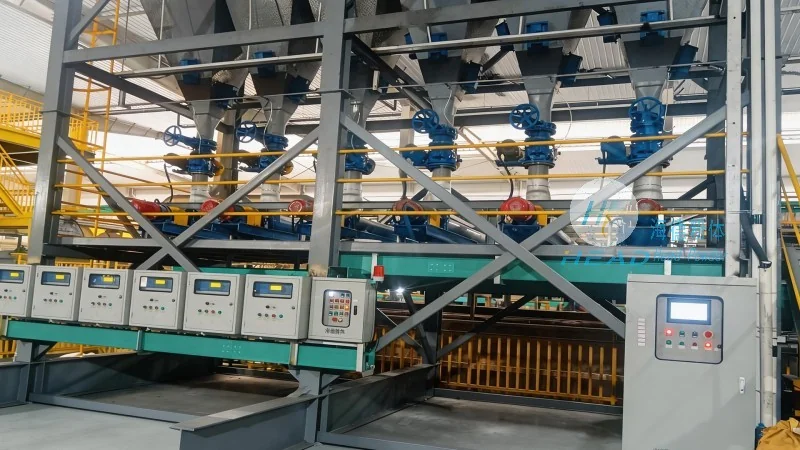
Applications and Industry Impact
Denitrizer powder conveying machines play a vital role in modern industrial operations, particularly in the power generation and environmental sectors. By ensuring the efficient and safe transport of denitrizer powders, these machines contribute to the reduction of nitrogen oxide emissions, which is a critical step in meeting environmental regulations and improving air quality. The reliable performance of these systems directly impacts the overall efficiency of power plants and other facilities, as consistent powder supply is essential for maintaining optimal operating conditions. HeadPowder's solutions have been successfully implemented in various applications, including large-scale power plants, industrial boilers, and chemical processing units, demonstrating their adaptability and effectiveness in diverse operational scenarios.