

Principle and Working Scene Characteristics of Corn Starch Pneumatic Conveying System Equipment
For industries dealing with bulk materials like corn starch, efficient and reliable material handling is crucial. Pneumatic conveying systems have emerged as a preferred solution due to their ability to transport powders and granules over long distances with minimal contamination and maintenance. This article explores the underlying principles of corn starch pneumatic conveying equipment and highlights the key characteristics of its working scenes, providing insights into how such systems enhance operational efficiency in processing facilities.
Introduction to Pneumatic Conveying Systems for Corn Starch
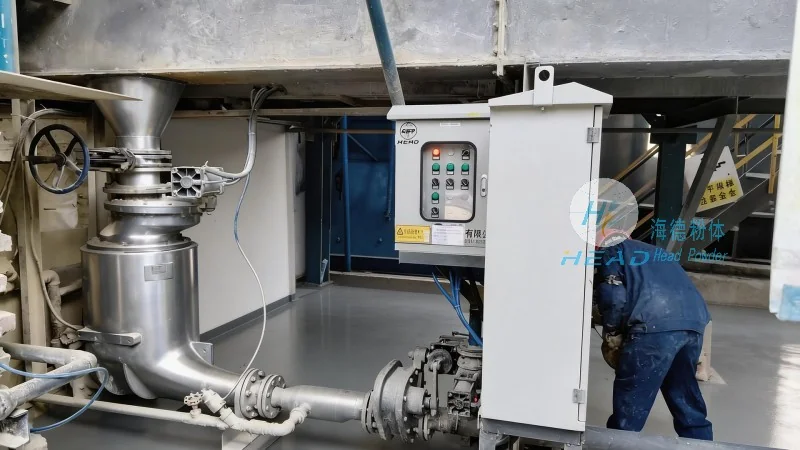
Pneumatic conveying, also known as air conveying, is a method of transporting solid materials using a stream of pressurized or vacuum air. In the context of corn starch processing, this technology is widely adopted to move raw starch from storage silos to processing lines, or between different stages of production. The system typically consists of a blower, a hopper, a conveying line, and a receiver. The air flow generated by the blower creates a pressure differential that propels the corn starch particles through the pipeline, ensuring smooth and continuous movement.
Working Principle of Corn Starch Pneumatic Conveying Equipment
The core principle of corn starch pneumatic conveying equipment revolves around the interaction between air and solid particles. In a positive pressure system, the blower supplies compressed air into the hopper, where the corn starch is fed. The air flow lifts and transports the particles through the pipeline to the receiving hopper. Conversely, a negative pressure system uses a vacuum to draw the material from the source and into the conveying line. For corn starch, which is a fine powder, the design of the system must consider factors like particle size, moisture content, and flowability to prevent clogging and ensure consistent performance.
Key Working Scene Characteristics
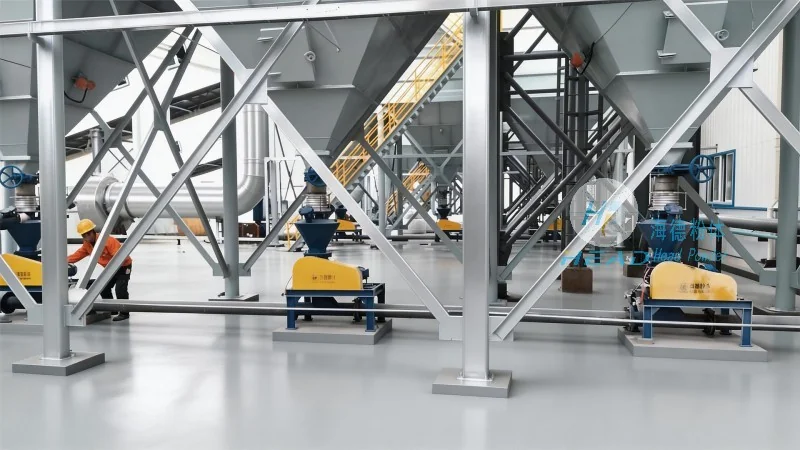
The working scene characteristics of corn starch pneumatic conveying systems vary based on the specific application and production environment. For instance, in large-scale processing plants, the system may need to handle high volumes of starch over long distances, requiring robust blower capacity and durable pipeline materials. In contrast, in smaller-scale operations, the focus might be on compactness and ease of integration with existing equipment. Another key characteristic is the ability to handle different particle sizes and moisture levels without compromising the quality of the starch. This adaptability makes the system suitable for various stages of starch processing, from raw material transport to finished product packaging.
Design and Material Considerations for Corn Starch Conveying
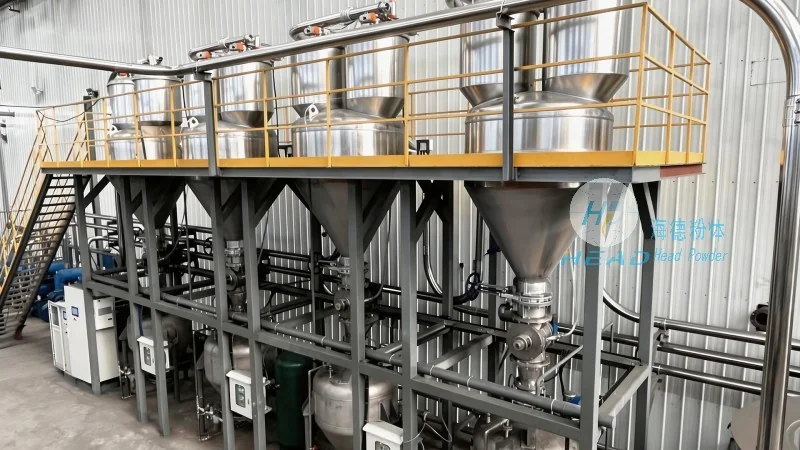
The effectiveness of a corn starch pneumatic conveying system depends heavily on its design and the materials used in its construction. Components such as hoppers, pipelines, and valves must be constructed from materials that are resistant to corrosion and wear, as corn starch can be abrasive over time. Stainless steel is commonly used for these parts due to its durability and hygienic properties, which are essential in food processing environments. Additionally, the system's design should incorporate features like air filters and moisture separators to maintain the purity of the starch and prevent contamination. These design elements ensure that the system operates efficiently and meets the stringent standards of the food industry.
Operational Efficiency and Maintenance in Corn Starch Conveying
Efficiency and ease of maintenance are critical factors in the selection of a corn starch pneumatic conveying system. The system's ability to maintain consistent flow rates and pressure levels directly impacts production throughput. Regular maintenance, such as cleaning air filters and checking blower performance, is essential to prevent system downtime. The use of advanced control systems can also enhance operational efficiency by automatically adjusting air pressure and flow based on real-time conditions. For companies like Shandong HeadPowder Engineering Co., Ltd., which specializes in engineering solutions for bulk material handling, these considerations are integrated into the design of their equipment to ensure long-term reliability and performance.
Conclusion: Enhancing Processing with Pneumatic Conveying
In conclusion, corn starch pneumatic conveying systems are a vital component of modern food processing facilities. By understanding the underlying principles and working scene characteristics, businesses can optimize their material handling processes, improve efficiency, and maintain product quality. The robust design and adaptability of such systems make them suitable for a wide range of applications, from small-scale operations to large industrial plants. As a leader in engineering solutions for bulk material handling, Shandong HeadPowder Engineering Co., Ltd. continues to develop advanced pneumatic conveying equipment that meets the evolving needs of the corn starch industry, ensuring reliable and efficient material transport in various working scenarios.