

Principles and Working Scene Characteristics of Glucose Powder Pneumatic Conveying System Equipment
Glucose powder pneumatic conveying systems represent a sophisticated technology designed to efficiently transport granular or powdered materials like glucose, ensuring minimal product degradation and optimal operational reliability. As a key component in the food processing and chemical industries, these systems are engineered to handle the unique challenges associated with handling fine powders, such as maintaining consistent flow rates, preventing clogging, and ensuring hygienic conditions. The following discussion delves into the fundamental principles governing such systems and highlights the specific working scene characteristics that define their application in real-world industrial settings.
Company Introduction and Background
HeadPowder, formally known as Shandong HeadPowder Engineering Co., Ltd., is a leading manufacturer specializing in the design, development, and implementation of advanced pneumatic conveying solutions. With operations based in Shandong, China, the company has established itself as a trusted partner for industries requiring reliable material handling systems. HeadPowder's expertise lies in tailoring equipment to meet the precise demands of clients, ensuring that solutions are not only efficient but also compliant with industry standards and regulatory requirements. The company's commitment to innovation and quality has positioned it as a key player in the global market for pneumatic conveying technology.
Principles of Glucose Powder Pneumatic Conveying Systems
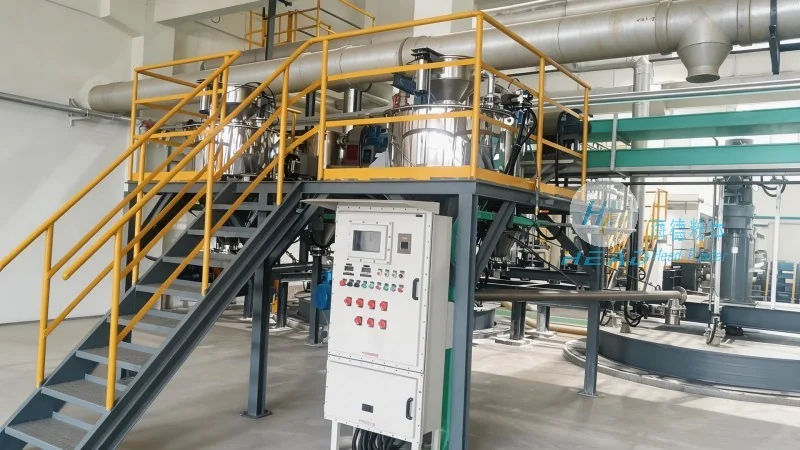
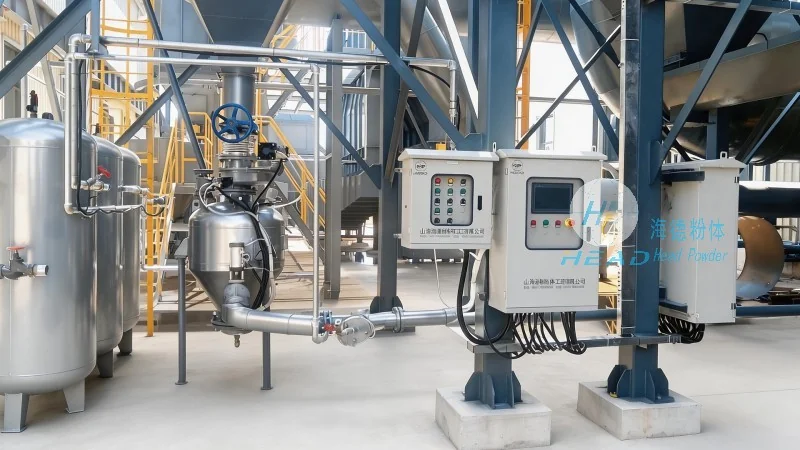
The core principle of a glucose powder pneumatic conveying system is the use of air or gas to transport material particles through a pipeline. This method, known as pneumatic conveying, operates on the principle of creating a pressure differential between the conveying line and the ambient environment. By introducing air at a controlled velocity, the system lifts and propels the powder particles, allowing them to move from the source to the destination without the need for mechanical components like belts or buckets. The system typically consists of several key components, including a hopper for material storage, a feeder to control the flow rate, a conveying line, and a receiver for the material at the end of the line. The air flow is managed by a blower or compressor, which generates the necessary pressure to move the material. The design of the system must consider factors such as particle size, density, and moisture content, as these variables influence the required air velocity and pressure to achieve efficient transport. For glucose powder, which is typically fine and hygroscopic, the system must be designed to minimize particle agglomeration and maintain consistent flow, ensuring that the material remains in a free-flowing state throughout the conveying process.
Working Scene Characteristics and Application Scenarios
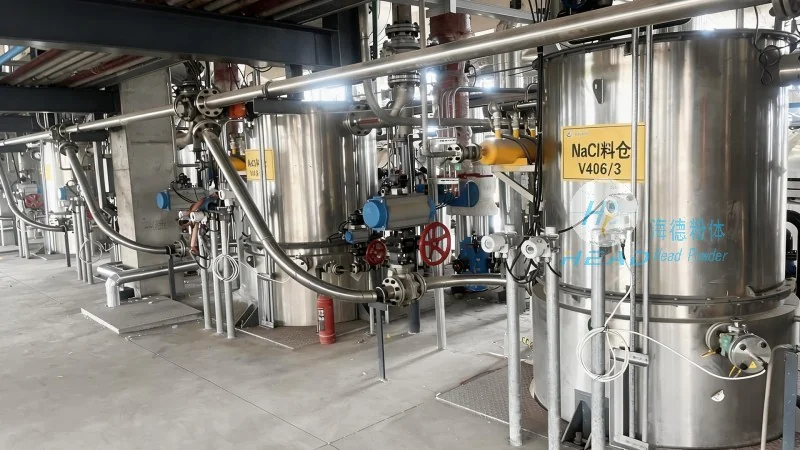
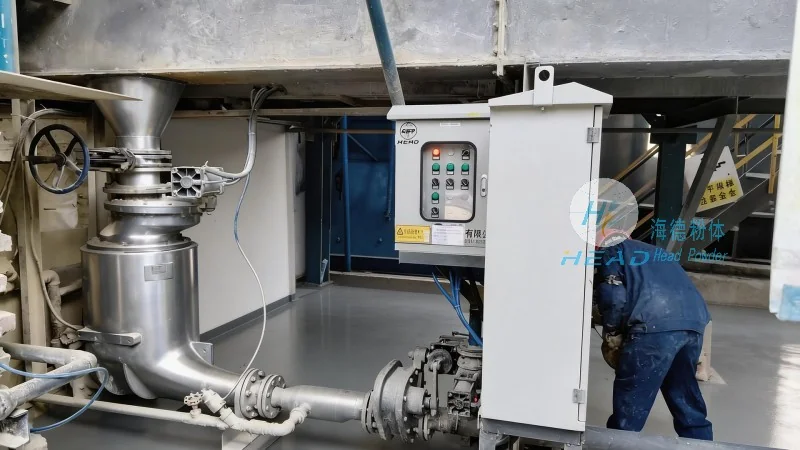
The working scene characteristics of glucose powder pneumatic conveying systems are closely tied to the specific operational environments where they are deployed. These systems are commonly used in food processing facilities, pharmaceutical manufacturing plants, and chemical processing industries, where the handling of glucose or similar powders is critical. The primary working scene characteristics include the need for hygienic and cleanroom conditions, as glucose is often used in food and pharmaceutical applications where contamination must be strictly avoided. The systems are typically designed with stainless steel components to ensure easy cleaning and maintenance, and they may incorporate features such as CIP (Clean-In-Place) systems to maintain sanitary standards. Another key characteristic is the requirement for precise control over material flow, as fluctuations in flow rate can lead to uneven product distribution or equipment wear. The systems are often integrated with automation controls, allowing for real-time monitoring of pressure, flow rate, and material level, ensuring optimal performance and reducing downtime. In addition, the working scene may involve multiple conveying lines or a network of pipelines, enabling the distribution of glucose powder to various processing units or storage areas within a facility. The flexibility of pneumatic conveying systems allows them to adapt to different operational needs, such as varying production volumes or changing processing requirements, making them a versatile solution for industrial applications.
Advantages and Operational Considerations
Glucose powder pneumatic conveying systems offer several advantages over traditional mechanical conveying methods. These include reduced product degradation due to the absence of mechanical components that can cause abrasion or friction, improved hygiene through enclosed systems, and lower maintenance requirements as there are fewer moving parts. However, the operation of such systems requires careful consideration of several factors to ensure optimal performance. The air velocity must be maintained at an appropriate level to prevent particle segregation or clogging, and the system must be designed to handle the specific properties of glucose powder, such as its tendency to clump or absorb moisture. The selection of the right blower or compressor is critical, as it must provide sufficient pressure and airflow to overcome the resistance of the conveying line and the weight of the material. Additionally, the system must be equipped with proper filtration and dust collection mechanisms to prevent the release of fine particles into the environment, ensuring compliance with environmental regulations. The working scene also involves the need for regular maintenance, including cleaning of the conveying line and replacement of filters, to maintain system efficiency and prevent performance issues. HeadPowder's expertise in system design and implementation ensures that these operational considerations are addressed effectively, providing clients with reliable and efficient solutions for their glucose powder handling needs.
Conclusion and Future Outlook
In conclusion, glucose powder pneumatic conveying systems are essential equipment for industries handling fine powders like glucose, offering efficient, hygienic, and reliable material transport solutions. The principles underlying these systems, combined with the working scene characteristics that define their application, make them a preferred choice for food processing, pharmaceutical, and chemical industries. HeadPowder, with its strong presence in Shandong, China, continues to lead in the development and implementation of advanced pneumatic conveying solutions, ensuring that clients receive tailored systems that meet their specific operational requirements. As technology advances, the future of glucose powder pneumatic conveying systems is likely to involve further integration of automation and smart monitoring technologies, enhancing operational efficiency and reducing downtime. The continued focus on innovation and quality by companies like HeadPowder will undoubtedly shape the evolution of material handling solutions in the coming years, ensuring that industries can maintain high standards of production and product quality.