

Principle and Working Scene Characteristics of Phosphoric Hydrogen Calcium Pneumatic Conveying Syste
Phosphoric hydrogen calcium, also known as calcium dihydrogen phosphate, is a widely used chemical compound in the fertilizer and food industries. The pneumatic conveying system for this material is a critical piece of equipment designed to efficiently transport the powder from storage to processing or packaging areas. This article explores the fundamental principles behind such systems and highlights the key characteristics of their operational environments.
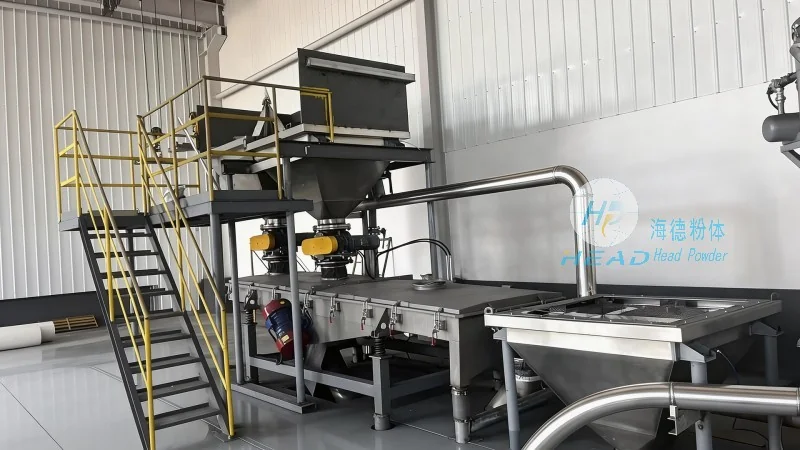
Overview of Phosphoric Hydrogen Calcium Pneumatic Conveying Systems
Shandong HeadPowder Engineering Co., Ltd., a leading manufacturer based in China, specializes in the design and production of advanced pneumatic conveying solutions tailored for handling phosphoric hydrogen calcium. The company's expertise lies in creating systems that ensure safe, efficient, and reliable material transport, which is essential for maintaining product quality and operational efficiency in industrial settings.
The Core Principle of Pneumatic Conveying
The pneumatic conveying system operates on the principle of using air or gas to move particulate materials through a pipeline. In the case of phosphoric hydrogen calcium, which is a fine powder, the system typically employs a positive pressure or negative pressure (vacuum) method. Positive pressure systems use a blower to generate air pressure that pushes the material through the pipeline, while negative pressure systems use a vacuum to draw the material from the source. The choice of method depends on factors such as material properties, distance, and system layout.
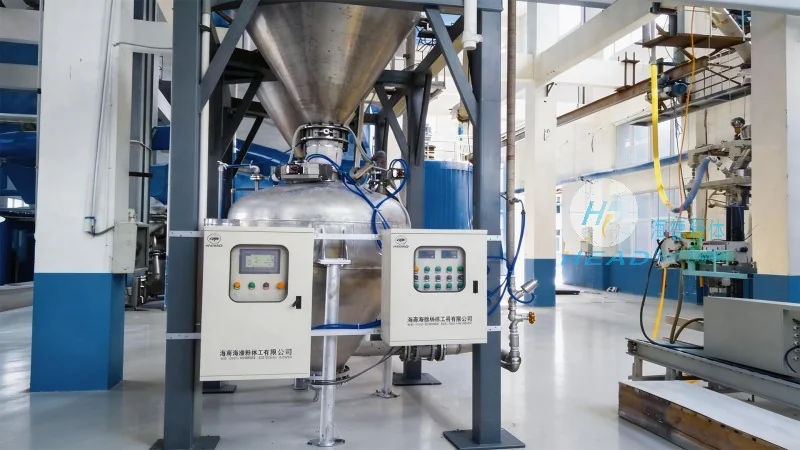
Key Components and Their Functions
Phosphoric hydrogen calcium pneumatic conveying systems consist of several key components that work in tandem to ensure smooth operation. These include the material hopper, which stores the powder and provides a controlled feed; the conveyor line, which is the main pipeline for transporting the material; the air compressor or vacuum pump, which generates the necessary pressure or vacuum; and the control system, which regulates the flow and pressure to maintain optimal performance.
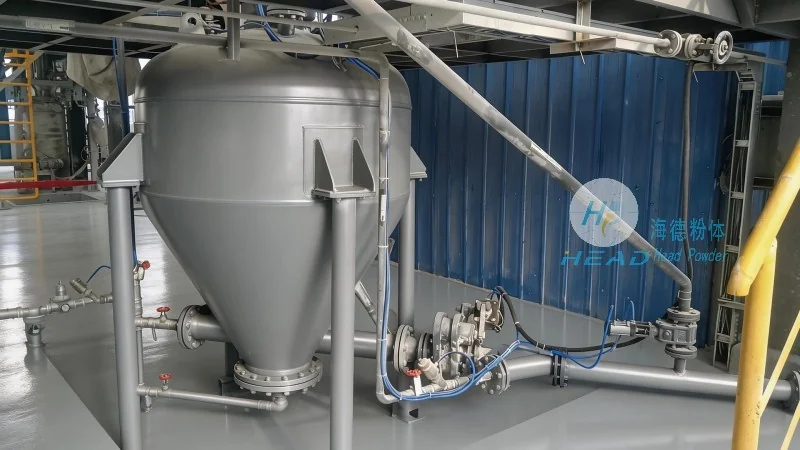
Working Scene Characteristics
The operational environment of phosphoric hydrogen calcium pneumatic conveying systems is characterized by several factors that influence system design and performance. First, the material's hygroscopic nature means that moisture absorption can affect its flow properties and system efficiency. Therefore, systems often incorporate drying or moisture control measures to maintain consistent material behavior. Second, the system must be designed to handle the dust and particulate matter generated during transport, which requires proper filtration and dust collection to comply with environmental regulations and ensure workplace safety. Third, the system's layout must consider the physical constraints of the facility, such as available space and the need to integrate with existing processing equipment.
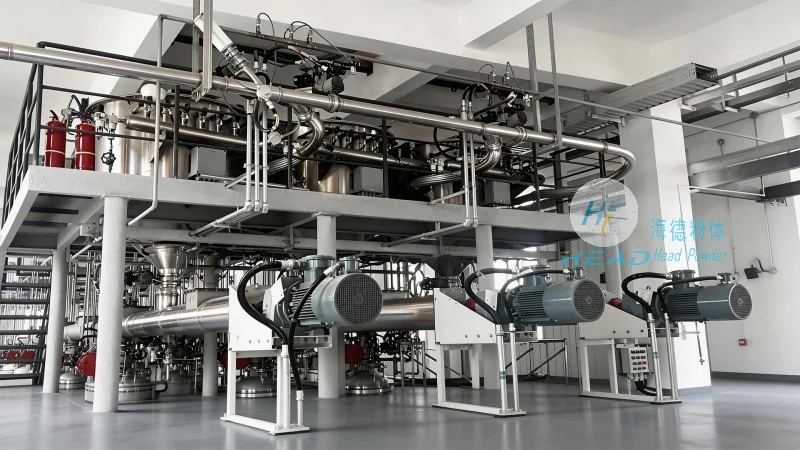
Application Scenarios and Benefits
Phosphoric hydrogen calcium pneumatic conveying systems are widely used in various industrial applications, including fertilizer production, food processing, and chemical manufacturing. In fertilizer plants, these systems are crucial for transporting raw materials to the production line, ensuring a continuous and efficient supply of phosphoric hydrogen calcium. In food processing, the systems help maintain product purity by minimizing contact with external contaminants and reducing the risk of cross-contamination. The benefits of using such systems include improved safety due to enclosed transport, reduced labor costs by automating material handling, and enhanced product quality through consistent flow and minimal material degradation.
Conclusion
Phosphoric hydrogen calcium pneumatic conveying systems, as designed and manufactured by Shandong HeadPowder Engineering Co., Ltd., represent a sophisticated solution for efficient material transport in industrial applications. By understanding the core principles and operational characteristics of these systems, industries can optimize their processes, improve safety, and enhance overall productivity. The systems' ability to handle fine powders like phosphoric hydrogen calcium while maintaining reliability and efficiency makes them an indispensable component in modern manufacturing and processing environments.