

Principle and Working Scene Characteristics of Glass Particle Pneumatic Conveying System Equipment
HeadPowder, officially known as Shandong HeadPowder Engineering Co., Ltd., is a professional manufacturer based in Shandong, China. The company specializes in the design, development, and production of advanced pneumatic conveying systems, particularly for handling glass particles. These systems are engineered to efficiently transport glass materials from one location to another, ensuring minimal loss and contamination. The following sections will explore the fundamental principles behind these systems and the specific working scenarios where they excel.
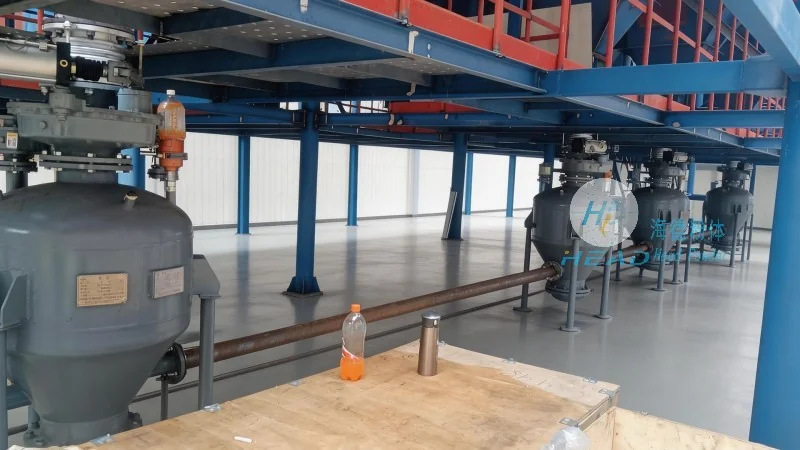
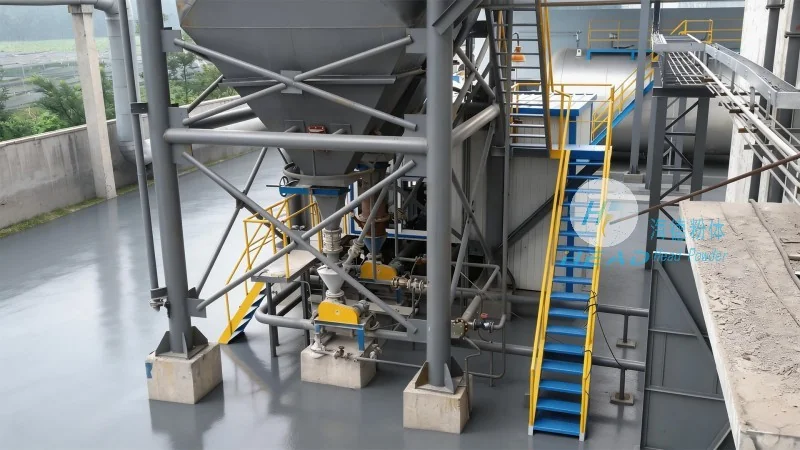
The Principle of Pneumatic Conveying for Glass Particles
Pneumatic conveying systems operate by using compressed air or other gases to move bulk materials through a pipeline. In the case of glass particles, the system typically involves a hopper or feeder that feeds the glass into a pipeline. The air is introduced at a controlled pressure, creating a flow that carries the glass particles along the pipeline. The design of the system, including the type of air nozzle, the velocity of the air, and the pipeline diameter, is crucial for ensuring efficient and reliable transport. HeadPowder's systems are engineered with precision to maintain optimal air pressure and flow rates, minimizing the risk of clogging or material degradation. The principle also involves the use of appropriate materials for the pipeline and components to prevent abrasion and ensure durability, as glass particles are known for their hardness and potential to cause wear on equipment.
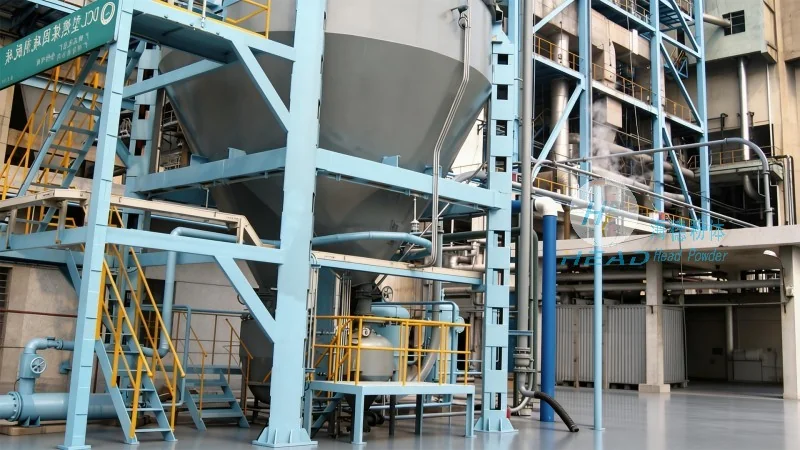
Working Scene Characteristics of Glass Particle Pneumatic Conveying Systems
The working scenarios where these systems are most effective include various industrial applications such as glass manufacturing plants, where raw glass materials need to be transported from storage to processing units. Another common scenario is in the glass recycling industry, where sorted glass fragments are conveyed to melting furnaces. The systems are also used in glass packaging facilities, where finished glass products are moved from production lines to packaging areas. A key characteristic is the ability to handle glass particles of different sizes and shapes, from fine powders to larger fragments. The systems are designed to accommodate varying material flow rates, from low to high, making them versatile for different production scales. Additionally, the systems are often integrated with other equipment, such as mixers or classifiers, to enhance the overall processing efficiency. The working environment is typically controlled to minimize dust and ensure safety, as glass particles can be hazardous if inhaled or cause injury. HeadPowder's systems are built to meet these safety and operational standards, providing reliable performance in demanding industrial settings.
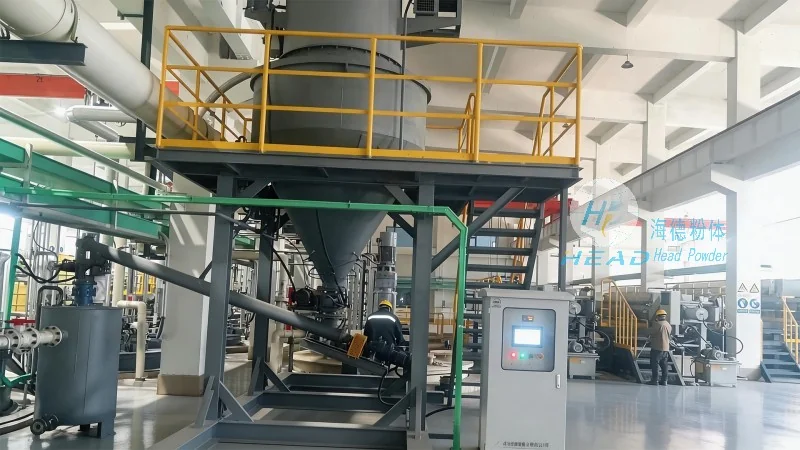
Advantages and Applications in Glass Processing
HeadPowder's pneumatic conveying systems offer several advantages for glass particle handling. These include reduced labor costs due to automated material transport, improved material quality by minimizing handling-related damage, and enhanced safety by containing dust and preventing exposure to workers. The systems are also energy-efficient, with optimized air usage that reduces operational costs. In glass manufacturing, the systems are used to transport raw materials like sand, soda ash, and limestone to the melting furnace. In recycling operations, they efficiently move crushed glass to the re-melting process. The versatility of the systems allows them to be adapted for various glass types, including soda-lime, borosilicate, and specialty glasses. The working scene characteristics, such as the ability to handle abrasive materials and maintain consistent flow rates, make these systems ideal for high-volume production environments. HeadPowder's commitment to quality and innovation ensures that their systems meet the stringent requirements of the glass industry, providing reliable and efficient solutions for material handling challenges.