

Principles and Working Scene Characteristics of Feed Pneumatic Conveying System Equipment
Feed processing facilities increasingly rely on efficient material handling solutions to streamline operations and enhance productivity. The feed pneumatic conveying system, a critical component in modern feed manufacturing, operates by utilizing air to transport bulk materials like feed pellets, powders, and grains. This technology offers a versatile and effective method for moving feed from storage to processing units, packaging areas, or storage silos.
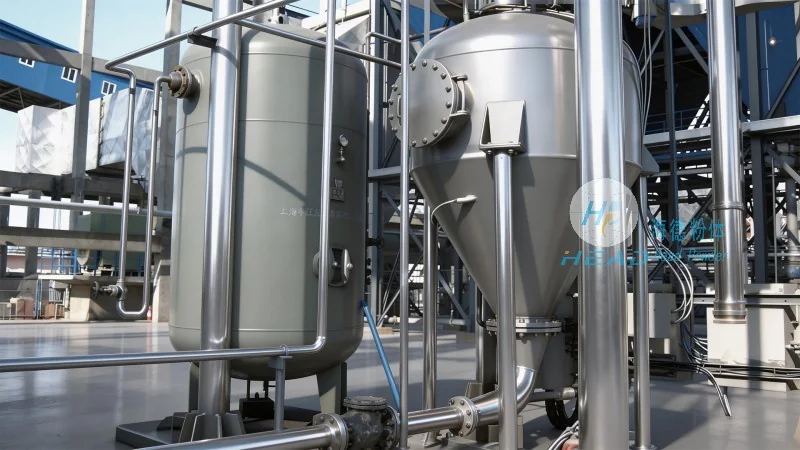
The Fundamental Principles of Pneumatic Conveying Technology
At its core, the pneumatic conveying system works by creating a pressure differential between the conveying line and the ambient environment. Air is introduced into the system, either through a positive pressure system (where air is forced into the line) or a negative pressure system (where air is drawn out, creating a vacuum). The feed material is then introduced into the conveying line, where it is entrained by the moving air stream and transported to the destination. Key components include the hopper (for material feeding), the conveyor line (typically made of metal or flexible tubing), the air mover (blower or vacuum pump), and the discharge device (for material release at the end of the line). The system's efficiency depends on factors such as air velocity, material characteristics (density, moisture content, particle size), and the length and layout of the conveying line.
Working Scene Characteristics: Applications and Operational Advantages
The feed pneumatic conveying system is widely used in various operational scenarios within the feed industry. In feed mills, it efficiently transports raw materials from storage silos to mixing and processing equipment, ensuring a continuous and controlled flow of ingredients. During the packaging stage, the system can move finished feed products from the production line to storage or shipping containers, reducing manual handling and minimizing product contamination. Another common application is in the transfer of feed from processing units to storage silos, maintaining inventory levels and preventing material spoilage. The system's advantages in these scenarios include high throughput rates, minimal product degradation (as the material is not in direct contact with mechanical components for extended periods), and the ability to handle a wide range of feed types, from fine powders to larger pellets. Additionally, the system can be integrated with other processing equipment, such as mixers and pelletizers, to create a seamless production line, enhancing overall operational efficiency.
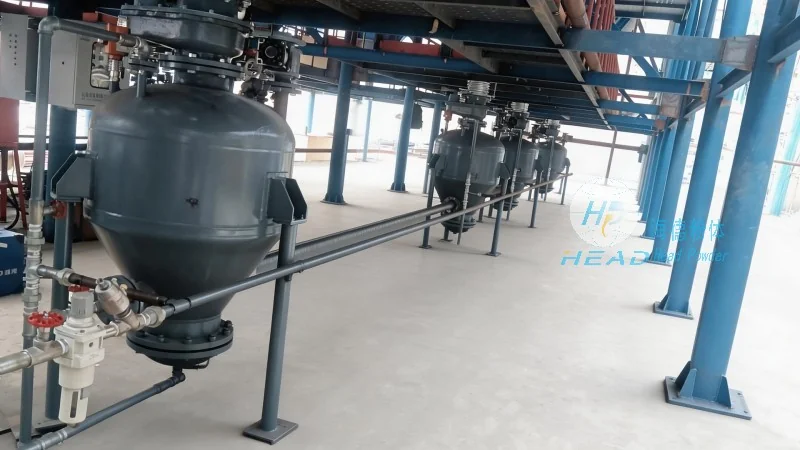
Company Profile: Shandong HeadPowder Engineering Co., Ltd.
Headpowder, a leading manufacturer of feed processing equipment, specializes in designing and supplying advanced pneumatic conveying systems tailored to the needs of the feed industry. With a focus on innovation and quality, Headpowder's products are engineered to meet the demanding requirements of modern feed mills. The company's headquarters is located in Shandong, China, where it leverages local expertise and manufacturing capabilities to deliver reliable and efficient solutions. Headpowder's commitment to customer satisfaction and technological advancement has established it as a trusted partner in the feed processing sector, providing systems that enhance productivity and ensure product quality.
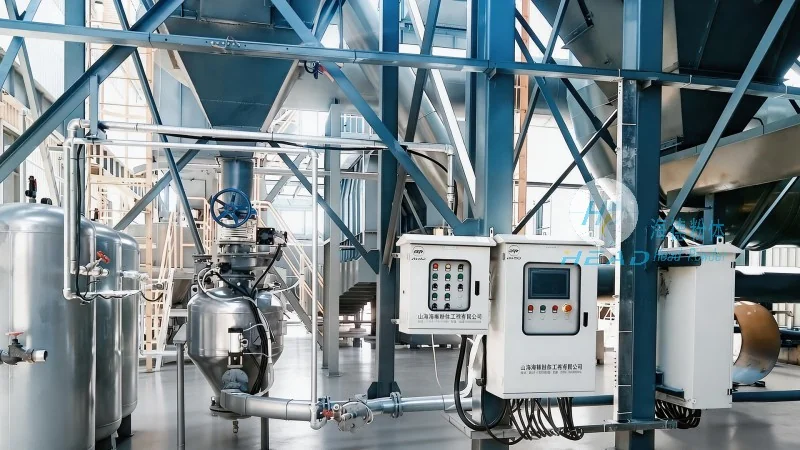
Key Features and Benefits of Headpowder's Feed Pneumatic Conveying Systems
Headpowder's feed pneumatic conveying systems are designed with several key features that address the specific challenges of feed handling. The systems are constructed using high-quality materials, such as stainless steel, to ensure durability and resistance to corrosion from feed ingredients. The conveying lines are equipped with appropriate fittings and valves to control material flow and prevent blockages. The air movers are selected based on the specific conveying requirements, offering adjustable air pressure and flow rates to optimize performance. The company also provides customized solutions, allowing clients to adapt the system to their unique operational needs, including varying feed types, production volumes, and facility layouts. The benefits of using Headpowder's systems include increased operational efficiency, reduced labor costs, improved product quality, and enhanced safety in material handling.
Conclusion: Enhancing Feed Processing with Advanced Pneumatic Conveying
In conclusion, the feed pneumatic conveying system, with its fundamental principles and versatile operational characteristics, plays a vital role in modern feed processing. By leveraging air to transport feed materials efficiently, these systems contribute to streamlined operations, higher productivity, and improved product quality. Headpowder, with its expertise and commitment to quality, offers reliable and effective solutions that meet the diverse needs of the feed industry. For feed mills seeking to enhance their material handling capabilities, Headpowder's pneumatic conveying systems provide a robust and efficient option, ensuring long-term operational success and customer satisfaction.