

Principle and Working Scene Characteristics of High-Temperature Fine Powder Pneumatic Conveying Equi
High-temperature fine powder pneumatic conveying equipment is a specialized system designed to transport fine powders in environments where temperatures are elevated. This equipment is crucial in industries such as cement, chemical processing, and metallurgy, where the efficient and safe handling of hot powders is essential. The technology behind this equipment leverages pneumatic principles to move materials through a sealed system, ensuring minimal dust emission and maintaining product integrity.
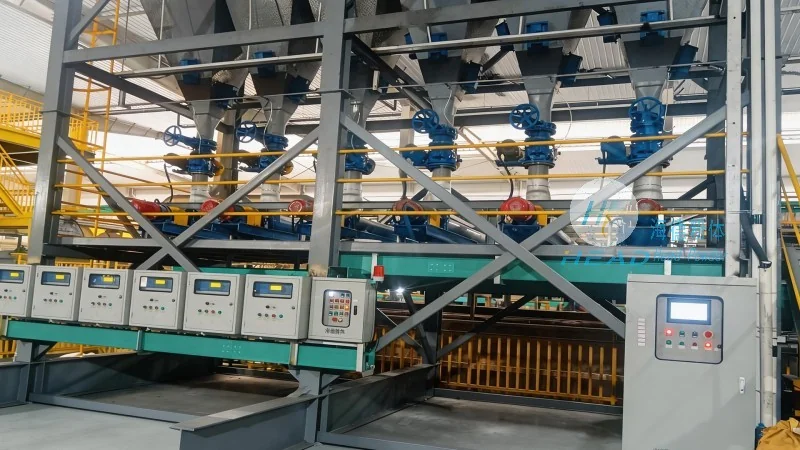
About HeadPowder: Your Expert in Pneumatic Conveying Solutions
HeadPowder, or Shandong HeadPowder Engineering Co., Ltd., is a leading manufacturer based in Shandong, China. With a strong focus on innovation and quality, the company has established itself as a trusted provider of pneumatic conveying systems tailored for high-temperature applications. Their expertise lies in developing equipment that can withstand extreme temperatures while maintaining optimal performance and reliability.
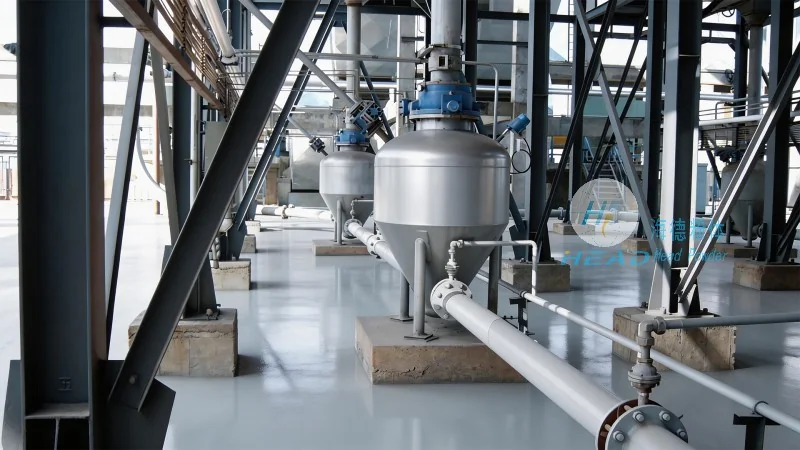
The Principle of High-Temperature Fine Powder Pneumatic Conveying Equipment
The core principle of high-temperature fine powder pneumatic conveying involves using compressed air or gas to transport fine powders through a pipeline. The system typically consists of a feeding device, a conveying pipeline, a separation unit, and a discharge outlet. In high-temperature scenarios, the equipment must be constructed with materials that can resist thermal stress, such as stainless steel or specialized alloys. The air flow is carefully controlled to ensure the powder is suspended and transported efficiently without clogging or degradation. This method offers advantages over traditional mechanical conveying, including reduced risk of contamination, lower maintenance costs, and the ability to handle materials in a closed environment, which is critical for hazardous or sensitive powders.
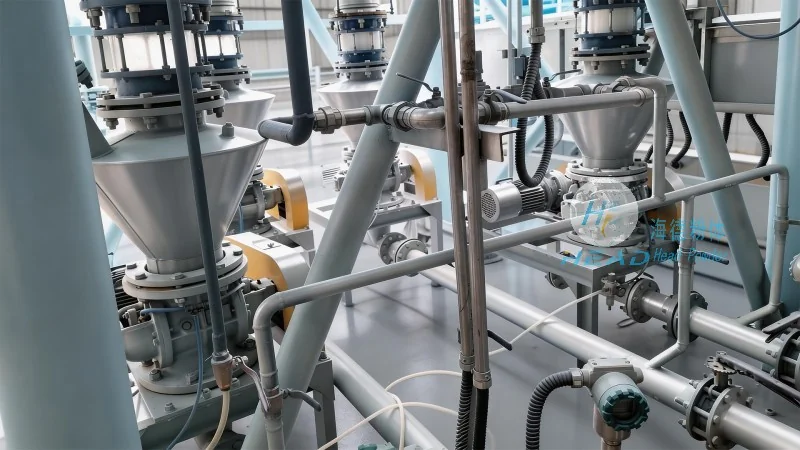
Working Scene Characteristics of the Equipment
The working scene characteristics of high-temperature fine powder pneumatic conveying equipment are tailored to meet the demands of specific industrial applications. For instance, in cement production, the equipment is used to transport clinker and other hot powders from rotary kilns to storage silos or grinding mills. The system must handle temperatures up to several hundred degrees Celsius while maintaining consistent flow rates. In chemical processing, it may be used to convey catalysts or reactive powders in reactors, where precise temperature control is vital to prevent unwanted reactions. The equipment's design allows for flexibility in pipeline layout, enabling it to adapt to complex plant layouts and optimize material flow paths. Additionally, the system's ability to operate in a closed loop minimizes environmental impact and ensures compliance with safety regulations. The working characteristics also include high efficiency in terms of energy consumption and material throughput, making it a cost-effective solution for continuous production processes.
Key Features and Advantages in High-Temperature Applications
When operating in high-temperature environments, several key features distinguish effective pneumatic conveying equipment. First, the material selection for components such as pipes, valves, and seals is critical. High-temperature resistant materials like Hastelloy or Inconel are often used to prevent deformation or failure under extreme heat. Second, the system must incorporate effective thermal insulation to minimize heat loss and maintain the temperature of the conveyed material. This insulation also helps in reducing the risk of burns or heat-related damage to the equipment. Third, the air compression and flow control mechanisms are designed to handle the increased density and viscosity of air at high temperatures, ensuring consistent and reliable transport. The equipment also features advanced monitoring systems, such as temperature sensors and flow meters, to provide real-time data on performance and detect any anomalies promptly. These features collectively contribute to the equipment's durability, safety, and efficiency in high-temperature working scenes.
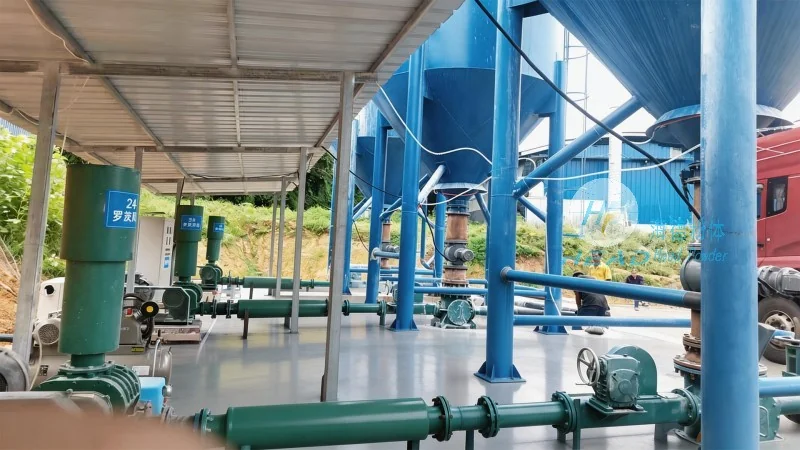
Application Examples and Industry Impact
High-temperature fine powder pneumatic conveying equipment is widely used across various industries, each with unique requirements. In the cement industry, it plays a vital role in the production line, where hot clinker is conveyed from the kiln to the grinding stage. The equipment ensures that the clinker is transported without cooling, which is essential for maintaining the quality of the final cement product. In the chemical industry, it is used to handle reactive powders, such as catalysts or pigments, which require precise temperature control during transport. The equipment's ability to operate in a closed system prevents contamination and ensures the purity of the materials. In the metallurgical sector, it may be used to transport hot metal powders or fluxes, where the equipment's durability and resistance to thermal shock are paramount. The impact of this equipment extends beyond just material handling; it enhances overall production efficiency by reducing downtime, improving product quality, and minimizing environmental emissions. By integrating advanced technology and robust design, high-temperature pneumatic conveying systems contribute significantly to the sustainability and competitiveness of modern industrial operations.