

Principle and Working Scene Characteristics of Cement Raw Material Pneumatic Conveying Lines
For cement manufacturers, efficient and reliable raw material handling is crucial to maintaining production efficiency and product quality. Pneumatic conveying lines, as a key component in modern cement production facilities, offer an advanced solution for transporting bulk materials like cement raw materials, clinker, and other powders. This article delves into the fundamental principles of cement raw material pneumatic conveying lines and explores the distinctive characteristics of their working scenes, providing insights into how these systems enhance operational performance in the cement industry.
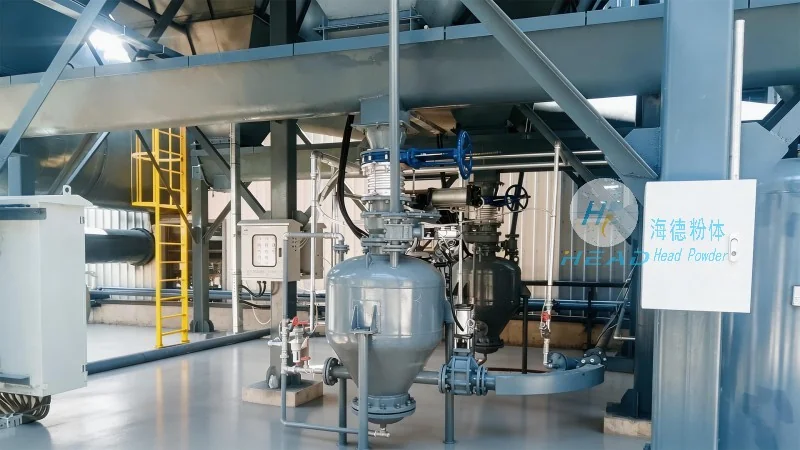
Understanding the Core Principle of Pneumatic Conveying Systems
The fundamental principle of pneumatic conveying lies in the use of air as a medium to transport bulk materials. Unlike traditional mechanical conveyors, which rely on physical contact and friction to move materials, pneumatic systems utilize air pressure or vacuum to create a flow that carries the material particles. There are two primary types of pneumatic conveying: positive pressure and negative pressure systems. Positive pressure systems operate by blowing air into a sealed pipeline, pushing the material forward. Negative pressure systems, on the other hand, create a vacuum at the receiving end, drawing the material into the pipeline. The choice between these systems depends on factors such as material properties, distance, and the need for dust control.
Key Working Scene Characteristics of Cement Raw Material Pneumatic Conveying Lines
The working scene characteristics of cement raw material pneumatic conveying lines are shaped by several factors, including the nature of the material being transported, the distance and layout of the production facility, and the environmental requirements. In the cement industry, these systems are typically used in scenarios such as:
1. Raw Material Handling: Pneumatic conveying lines are commonly employed to transport raw materials like limestone, clay, and iron ore from storage silos to the raw mill. This application requires high-capacity systems capable of handling large volumes of bulk materials over significant distances, often spanning hundreds of meters. The systems must be designed to handle abrasive materials and minimize material degradation during transport.
2. Clinker and Finished Product Transport: In the clinker production and packaging stages, pneumatic conveying lines are used to move clinker from the kiln to storage silos or directly to packaging units. This process demands systems with precise control over flow rates and pressure to ensure consistent product quality and prevent material segregation.
3. Internal Plant Material Transfer: Within the cement plant, pneumatic conveying lines facilitate the transfer of materials between different processing units, such as from the raw mill to the cement mill or from the cement mill to the packaging line. These internal transfers require flexible and adaptable systems that can handle varying material compositions and flow rates.
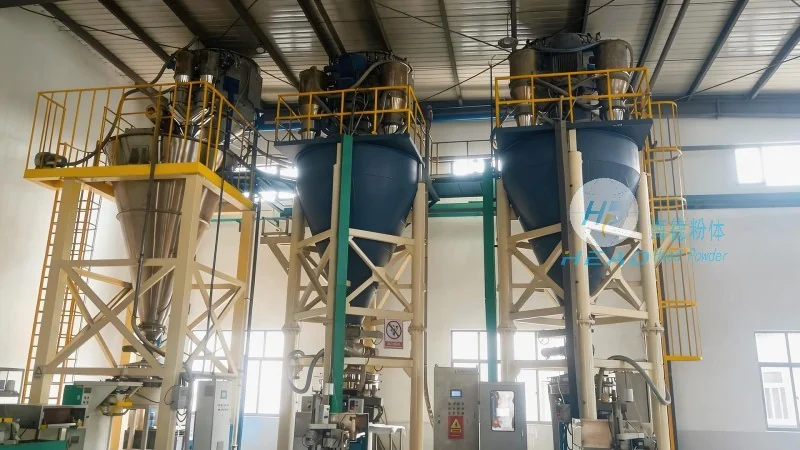
Advantages and Technical Features of Pneumatic Conveying Systems
Pneumatic conveying systems offer several advantages over traditional mechanical conveyors, making them ideal for cement raw material handling. These include:
1. Reduced Maintenance and Downtime: By eliminating moving parts in contact with the material, pneumatic systems experience lower wear and tear, leading to reduced maintenance requirements and longer service life.
2. Flexibility and Space Efficiency: Pneumatic conveying lines can be installed in a variety of configurations, including vertical, horizontal, or a combination of both, allowing for efficient use of plant space. They can also be easily reconfigured to accommodate changes in production processes.
3. Improved Safety and Environmental Control: Pneumatic systems are enclosed, which helps contain dust and prevent environmental contamination. They also reduce the risk of material spillage and exposure to workers.
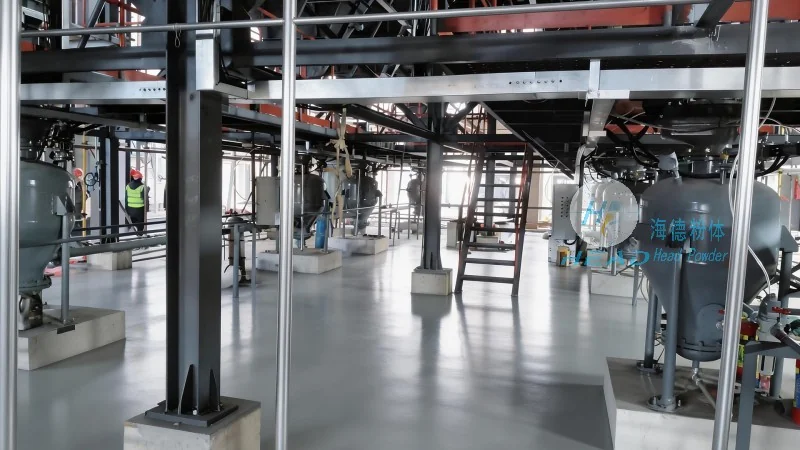
4. Energy Efficiency: Modern pneumatic conveying systems are designed to optimize air usage, reducing energy consumption compared to older, less efficient models.
HeadPowder Engineering: Expertise in Cement Pneumatic Conveying Solutions
Shandong HeadPowder Engineering Co., Ltd., a leading provider of engineering solutions for the cement industry, specializes in designing, manufacturing, and installing high-quality pneumatic conveying systems tailored to the specific needs of cement manufacturers. With a deep understanding of the challenges faced by the industry, HeadPowder Engineering leverages advanced technology and engineering expertise to deliver reliable and efficient solutions.
HeadPowder Engineering's team of experienced engineers and technicians works closely with clients to assess their production requirements, material characteristics, and operational constraints. This collaborative approach ensures that the final pneumatic conveying system is optimized for performance, durability, and cost-effectiveness. The company's commitment to quality is reflected in its adherence to international standards and rigorous testing protocols, guaranteeing that each system meets the highest industry benchmarks.
HeadPowder Engineering's pneumatic conveying solutions are designed to enhance the overall efficiency of cement production facilities. By integrating advanced control systems and monitoring technologies, the company's products help clients achieve better material flow control, reduce energy consumption, and minimize downtime. The company's focus on innovation and customer satisfaction has made it a trusted partner for cement manufacturers seeking to improve their material handling processes.
Located in Shandong, China, HeadPowder Engineering Co., Ltd. serves clients both domestically and internationally, providing comprehensive support from system design and installation to long-term maintenance and service. The company's expertise in cement raw material pneumatic conveying lines, combined with its dedication to customer success, positions it as a leading provider in the industry.