

Principles and Application Scenarios of Powdered Medicine Pneumatic Conveying
HeadPowder, a leading enterprise in the field of powder handling technology, specializes in the design, manufacturing, and implementation of advanced pneumatic conveying systems for the pharmaceutical industry. This article delves into the fundamental principles of powdered medicine pneumatic conveying and explores the distinct characteristics of its operational environments.
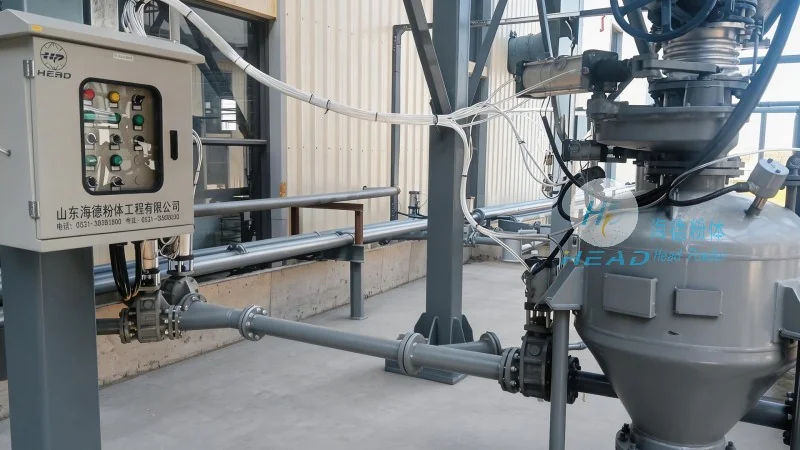
Understanding Pneumatic Conveying Systems for Powdered Medicines
Pneumatic conveying is a method of transporting bulk materials, such as powdered medicines, through a pipeline using a gas stream, typically air or a mixture of air and other gases. The core principle involves creating a pressure differential within the system to move the powder particles. There are two primary types of pneumatic conveying systems: pressure and vacuum. Pressure systems operate by forcing air or gas into a sealed pipeline, while vacuum systems create a negative pressure to draw material into the pipeline. For pharmaceutical applications, the choice of system depends on factors like material properties, process requirements, and safety regulations.
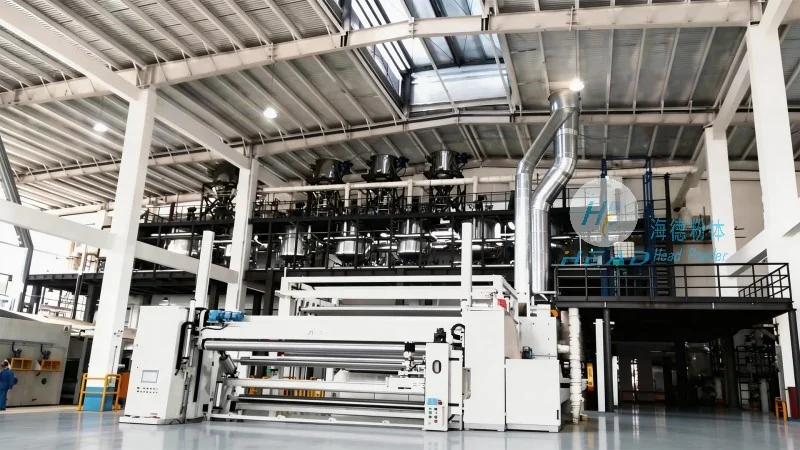
Key Principles of Powdered Medicine Pneumatic Conveying
The effectiveness of a pneumatic conveying system for powdered medicines hinges on several critical principles. First, the system must ensure the safe and hygienic transport of pharmaceutical powders, which are often sensitive to contamination and moisture. This requires the use of materials that are compatible with pharmaceutical standards, such as stainless steel, and designs that prevent particle degradation or cross-contamination. Second, the system must maintain consistent flow rates and pressure levels to prevent material buildup or blockages in the pipeline. This is achieved through precise control of air velocity and pressure, which are tailored to the specific characteristics of the powder, including particle size, density, and flowability. Third, the system must incorporate features that ensure easy cleaning and maintenance, as pharmaceutical facilities must adhere to stringent regulatory requirements for equipment sanitation. This includes the use of CIP (Clean-in-Place) and SIP (Steam-in-Place) systems to sanitize the conveying lines and components.
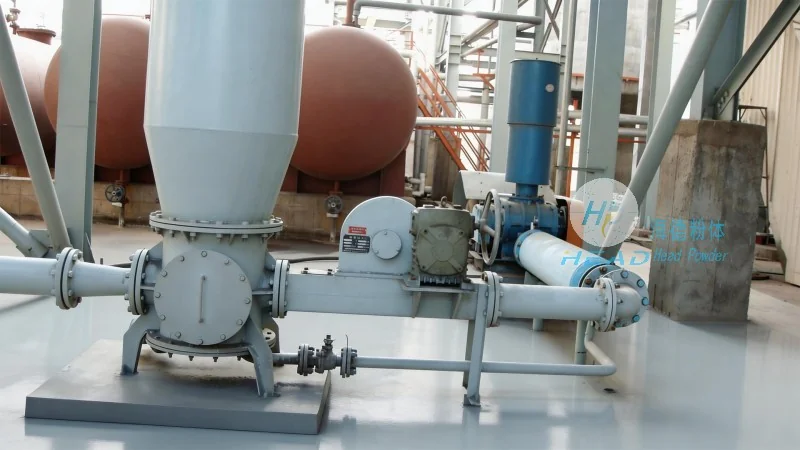
Application Scenarios and Operational Characteristics
The operational characteristics of powdered medicine pneumatic conveying systems vary significantly based on the specific application. For example, in a pharmaceutical manufacturing plant, the system may be used to transport raw materials from storage silos to processing units, or to move finished products from packaging lines to storage areas. The key characteristics of these scenarios include high precision in dosing and delivery, as even small variations in powder quantity can impact the quality of the final product. Additionally, the systems must operate in a sterile environment, often requiring the integration of filtration and air purification systems to remove contaminants and ensure product safety. Another common scenario is the use of pneumatic conveying in bulk handling operations, where large quantities of powdered medicines are transported over long distances within a facility or between different sites. In such cases, the system must be capable of handling high flow rates and maintaining consistent performance under varying load conditions. The operational environment also includes considerations for space constraints, as pharmaceutical plants often have limited floor space, requiring compact and efficient system designs. Furthermore, the system must be compatible with existing infrastructure, such as existing pipelines and control systems, to minimize installation costs and downtime.
Advantages and Considerations in Pharmaceutical Pneumatic Conveying
Implementing pneumatic conveying systems for powdered medicines offers several advantages. One of the primary benefits is the ability to transport materials in a closed system, which reduces the risk of contamination from external sources and minimizes dust emissions. This is particularly important in pharmaceutical manufacturing, where product purity is paramount. Another advantage is the flexibility of the system, which can be adapted to handle a wide range of powder types and flow rates. The systems are also relatively easy to integrate with other processing equipment, such as mixers, blenders, and packaging machines, enhancing overall process efficiency. However, there are also considerations to keep in mind when selecting a pneumatic conveying system for pharmaceutical applications. One key consideration is the cost of installation and maintenance, as high-quality materials and advanced control systems can increase initial investment. Additionally, the system must be designed to meet specific regulatory standards, such as those set by the FDA or other regulatory bodies, which may require additional features like traceability and documentation. Another consideration is the impact of material properties on system performance. For example, powders with high moisture content or cohesive properties may require specialized equipment, such as rotary valves or vibrators, to ensure smooth flow and prevent blockages. Finally, the system must be capable of handling variations in material characteristics, such as changes in particle size or density, without compromising performance or product quality.
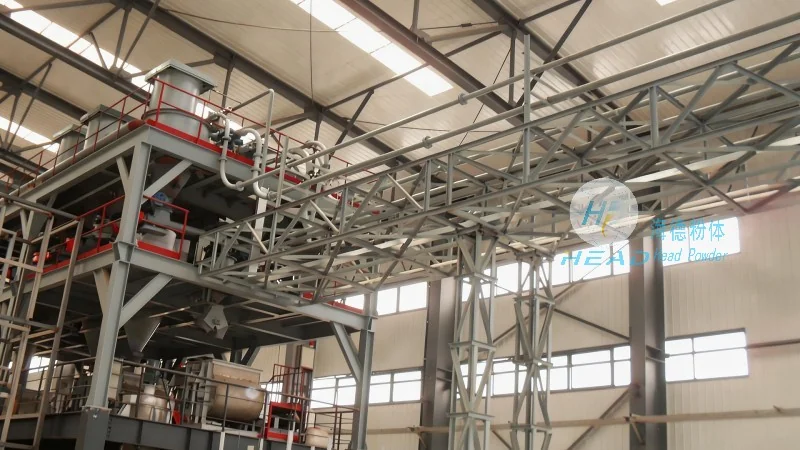
Conclusion and Company Overview
HeadPowder Engineering Co., Ltd., based in Shandong, China, is a trusted provider of pneumatic conveying solutions tailored to the unique needs of the pharmaceutical industry. With a focus on innovation and adherence to industry standards, the company designs and manufactures systems that ensure the safe, efficient, and hygienic transport of powdered medicines. By understanding the fundamental principles of pneumatic conveying and the specific requirements of pharmaceutical applications, HeadPowder helps clients optimize their material handling processes, improve product quality, and comply with regulatory requirements. The company's expertise in system design, material selection, and integration ensures that each project is tailored to meet the client's specific operational and quality objectives, providing long-term value and reliability in pharmaceutical powder handling.