

Principle and Working Scene Characteristics of Automatic Waste Loading Pneumatic Conveying
Automatic waste loading pneumatic conveying systems represent a sophisticated approach to material handling, particularly in waste management and industrial applications. These systems utilize air pressure to transport waste materials from collection points to processing or disposal facilities. The technology integrates advanced engineering principles to ensure efficient, reliable, and often environmentally friendly material transport. This article explores the fundamental principles behind such systems and highlights key working scene characteristics that define their operational effectiveness.
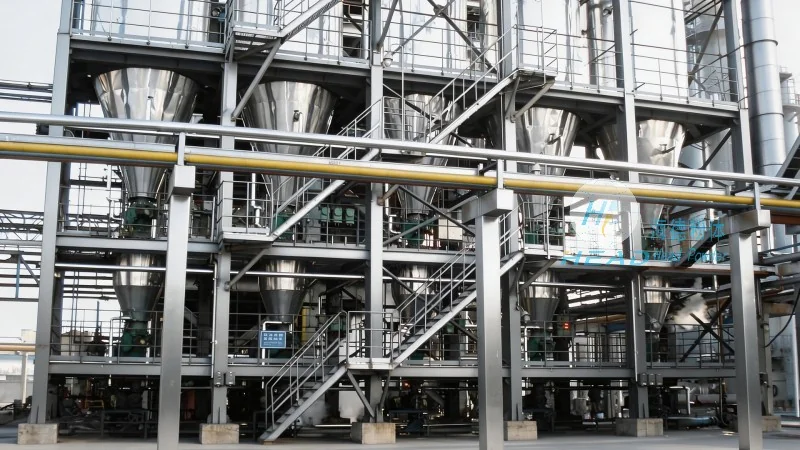
Introduction to Automatic Waste Loading Pneumatic Conveying
At the core of automatic waste loading pneumatic conveying is the use of compressed air or vacuum to move bulk materials through a network of pipes. The system typically consists of a hopper or loading station where waste is deposited, a conveyor line (often a series of pipes), and a receiver or processing unit where the material is discharged. The process begins with the waste being introduced into the system, where it is then carried by the airflow through the pipeline. This method eliminates the need for mechanical components like belts or buckets, reducing maintenance and increasing operational safety. The technology is particularly advantageous in scenarios where materials are abrasive, hazardous, or require containment to prevent environmental contamination.
Key Working Scene Characteristics of Pneumatic Conveying Systems
The effectiveness of automatic waste loading pneumatic conveying is heavily influenced by several working scene characteristics that dictate system design and performance. These include the type and size of waste materials, the distance and layout of the conveying path, and the environmental conditions at the site. For instance, in municipal waste management, systems may need to handle a wide variety of waste types, from organic matter to recyclables, requiring flexible and robust design. The layout of the facility, such as the position of collection bins relative to the processing plant, directly impacts the system's efficiency and cost-effectiveness. Additionally, environmental factors like temperature and humidity can affect the air flow and material transport, necessitating appropriate system modifications to maintain optimal performance.
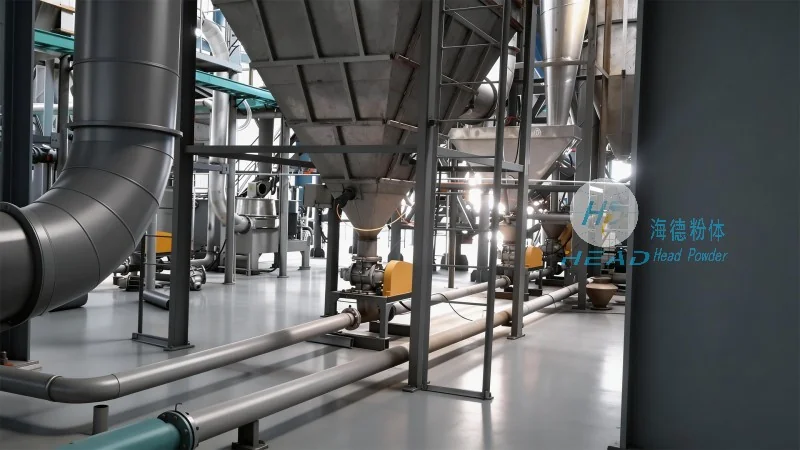
Principle of Operation: How Pneumatic Conveying Works
The operational principle of automatic waste loading pneumatic conveying involves creating a pressure differential to move materials. In a pressure system, compressed air is introduced into the conveyor line, pushing the waste through the pipes. The air velocity is carefully controlled to ensure the material is fully entrained and transported without causing blockages or excessive wear on the system components. Conversely, in a vacuum system, a vacuum is created at the receiver end, drawing the waste through the pipeline. Both systems rely on the principle of fluid dynamics, where the air acts as a carrier medium, suspending the waste particles and moving them along the path of least resistance. The efficiency of the system is determined by factors such as air pressure, flow rate, and the size and density of the waste particles. Proper design ensures that the air velocity is sufficient to keep the particles suspended but not so high as to cause excessive energy consumption or system wear.
Application Scenarios and Operational Advantages
Automatic waste loading pneumatic conveying systems are widely applied in various waste management and industrial settings. In municipal solid waste (MSW) treatment facilities, these systems efficiently transport collected waste from collection trucks or bins to sorting and processing equipment. The ability to handle large volumes of waste quickly and with minimal human intervention makes them ideal for urban waste management, where space is limited and operational speed is critical. In industrial contexts, such as manufacturing plants or recycling facilities, pneumatic conveying is used to transport waste materials from production lines to recycling or disposal units. The systems offer several operational advantages, including reduced labor costs, improved safety by minimizing human exposure to waste, and lower maintenance requirements compared to traditional mechanical systems. Furthermore, the enclosed nature of the system helps prevent dust and odors from escaping, contributing to better environmental and occupational health conditions.
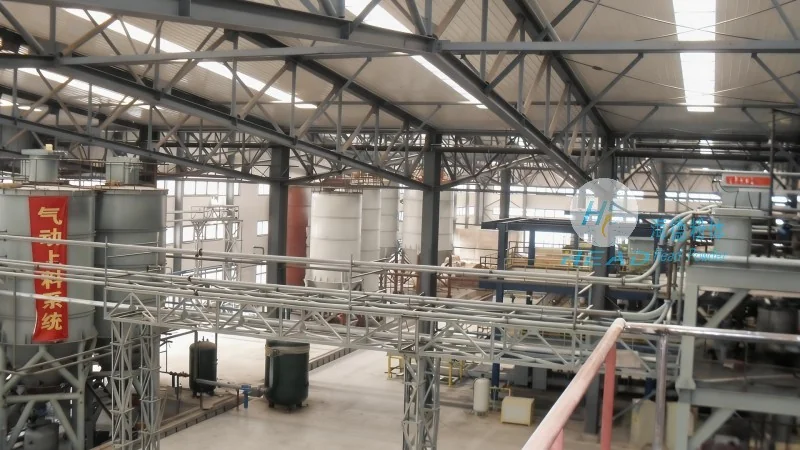
System Components and Design Considerations
A typical automatic waste loading pneumatic conveying system includes several key components, each designed to perform a specific function in the material transport process. The loading station, or hopper, is where waste is introduced into the system. It is often equipped with a feeding mechanism, such as a rotary valve or screw feeder, to control the flow of waste into the conveyor line. The conveyor line itself consists of a network of pipes, typically made of materials like stainless steel or plastic, which are resistant to corrosion and wear from the waste particles. The system may include bends, elbows, and other fittings to navigate the path from the loading station to the receiver. At the receiving end, a receiver or silo is used to collect the transported waste, often with a discharge mechanism to transfer the material to the next stage of processing. Design considerations for the system include the material properties of the waste, the required conveying distance, and the desired throughput rate. Engineers must calculate the necessary air pressure and flow rate to ensure efficient transport without causing excessive energy consumption or system stress.
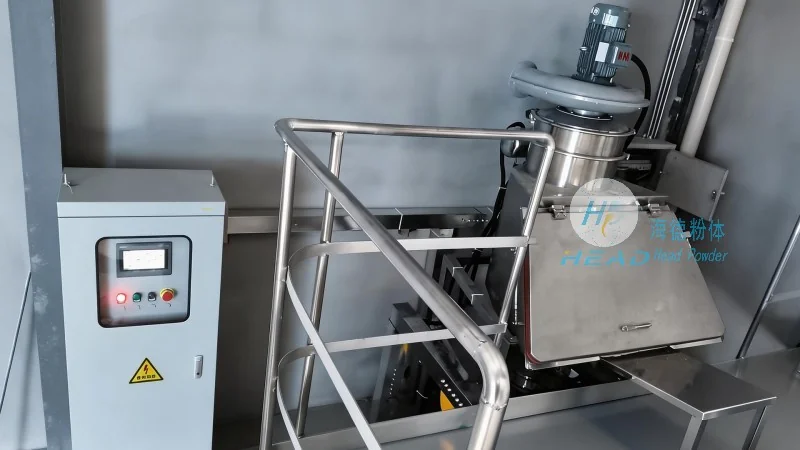
Maintenance and Operational Efficiency
Ensuring the long-term efficiency and reliability of automatic waste loading pneumatic conveying systems requires regular maintenance and proper operational management. Common maintenance tasks include cleaning the conveyor line to prevent buildup of waste particles, inspecting and replacing worn components like valves and seals, and monitoring air pressure and flow rates to detect any performance issues early. Proper maintenance helps prevent system downtime and extends the lifespan of the equipment. Operational efficiency is also influenced by factors such as the consistency of waste input and the system's ability to handle variations in material properties. For example, if the waste contains large, irregularly shaped objects, the system may need to be adjusted to prevent blockages or increased wear. Regular performance monitoring and adjustments help maintain optimal system operation and maximize the benefits of the pneumatic conveying technology.
Conclusion: The Role of Pneumatic Conveying in Modern Waste Management
Automatic waste loading pneumatic conveying systems play a crucial role in modern waste management by providing an efficient, reliable, and environmentally friendly method of material transport. The technology's ability to handle a wide range of waste types and operate in various working conditions makes it a versatile solution for both municipal and industrial applications. As waste management practices continue to evolve, the importance of efficient material handling systems will only increase. The principles and characteristics of pneumatic conveying, as outlined in this article, highlight the key factors that contribute to the success of these systems in real-world applications. By understanding these principles and design considerations, stakeholders in waste management can make informed decisions about implementing or optimizing pneumatic conveying systems to meet their operational needs and environmental goals.