

Principles and Working Scene Characteristics of Yellow Sand Pneumatic Conveying
Yellow sand, a prevalent material in construction and industrial sectors, often necessitates efficient and reliable transportation methods. Pneumatic conveying provides a solution that merges material handling with minimal environmental impact. This article delves into the fundamental principles behind yellow sand pneumatic conveying systems and highlights the key characteristics of their operational scenarios.
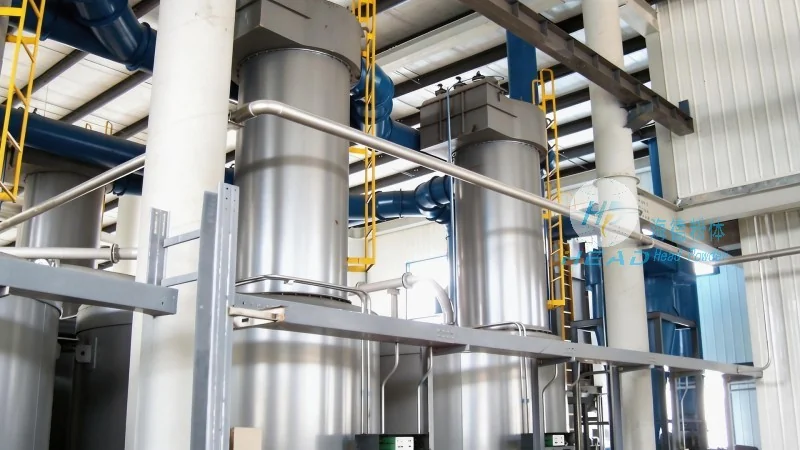
The Core Principles of Pneumatic Conveying for Yellow Sand
At its core, pneumatic conveying utilizes air to transport bulk materials such as yellow sand through a pipeline system. The process involves establishing a pressure differential between the inlet and outlet of the system, which propels the sand particles along the pipeline. There are two primary types of pneumatic conveying: pressure and vacuum systems. Pressure systems operate by injecting air under pressure into the material, while vacuum systems create a negative pressure to draw the material into the pipeline. For yellow sand, which is typically dry and free-flowing, pressure systems are often favored due to their capacity to handle higher material loads and longer distances without significant pressure loss.
Key Working Scene Characteristics of Yellow Sand Pneumatic Conveying
The operational scenarios for yellow sand pneumatic conveying vary based on application requirements. In construction sites, for example, these systems are employed to transport sand from stockpiles to mixing stations or to different construction areas. The ability to move sand over long distances without the need for heavy machinery or manual labor makes this method highly efficient. Industrial settings, such as foundries or cement plants, also benefit from pneumatic conveying as it allows for the seamless transfer of sand from storage to processing equipment. The flexibility of pneumatic systems enables their integration into existing workflows, reducing downtime and improving overall productivity.
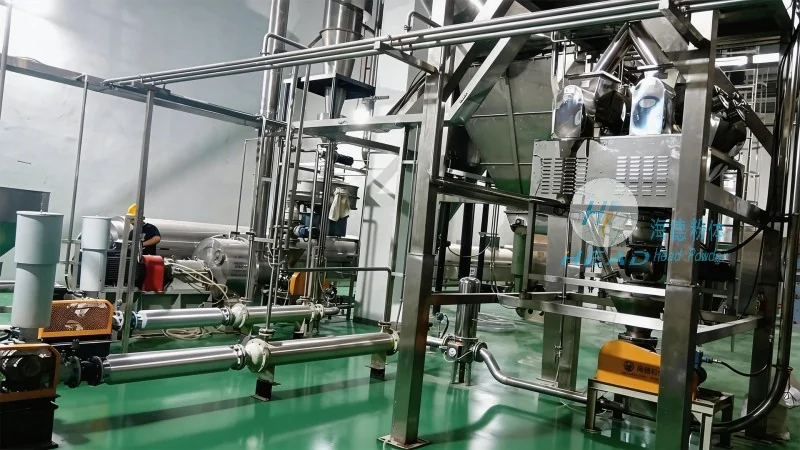
Advantages and Considerations in Practical Applications
Implementing yellow sand pneumatic conveying systems brings several advantages. First, it eliminates the need for traditional belt conveyors or trucks, which can be prone to material spillage and require frequent maintenance. The enclosed pipeline system ensures that the sand remains clean and free from contamination, which is critical in applications where quality control is essential. Additionally, pneumatic conveying can handle a wide range of particle sizes and moisture content, making it suitable for various types of yellow sand. However, there are considerations to keep in mind. The system's performance is highly dependent on the air pressure and flow rate, which must be optimized for the specific material characteristics. High-pressure systems may require more robust equipment, increasing initial investment costs. Furthermore, the system's efficiency can be affected by factors such as pipeline length, bends, and blockages, which need to be carefully designed and maintained.
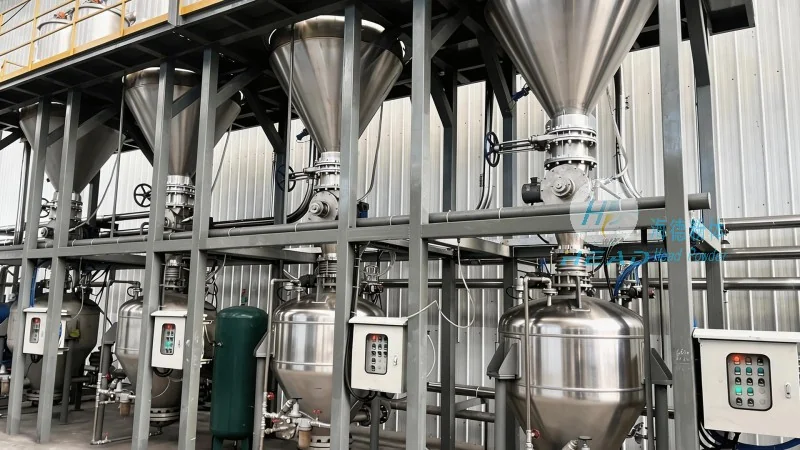
Case Studies and Real-World Implementations
Several successful implementations of yellow sand pneumatic conveying systems have been documented. In a large-scale construction project in Shandong, China, a pressure pneumatic system was installed to transport sand from a nearby quarry to the construction site. The system was able to handle a consistent flow rate of 50 tons per hour over a distance of 1.5 kilometers, meeting the project's material demands efficiently. In an industrial foundry, a vacuum system was used to transfer sand from storage silos to the molding area. The system's ability to maintain a consistent flow and minimize material loss improved the foundry's production efficiency by 20%. These case studies demonstrate the practical benefits and reliability of pneumatic conveying systems for yellow sand applications.
Conclusion and Future Outlook
Yellow sand pneumatic conveying systems represent a sophisticated and efficient solution for material handling in various industries. By leveraging the principles of air pressure and flow, these systems offer a clean, reliable, and flexible method to transport bulk materials. As technology advances, improvements in system design and control will likely enhance the performance and efficiency of pneumatic conveying systems. For companies dealing with yellow sand, investing in a well-designed pneumatic conveying system can lead to significant operational benefits, including reduced costs, improved productivity, and enhanced material quality. With the expertise of companies like Shandong HeadPowder Engineering Co., Ltd., based in China, businesses can access tailored solutions that meet their specific needs and operational requirements.