

Principle and Working Scene Characteristics of Sugar Bulk Material Pneumatic Conveying
HeadPowder, a leading engineering company based in Shandong, China, specializes in the design, manufacturing, and installation of advanced pneumatic conveying systems for bulk materials, including sugar. This article explores the fundamental principles behind sugar pneumatic conveying and highlights the key characteristics of its working environments.
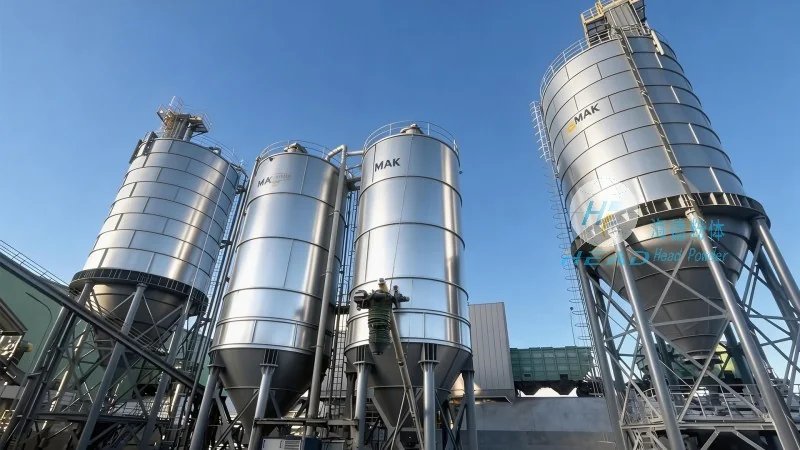
The Core Principle of Pneumatic Conveying for Sugar
The principle of pneumatic conveying involves transporting bulk materials like sugar through a pipeline using a combination of air or gas flow. In this process, the sugar particles are suspended and carried by the moving air stream, eliminating the need for mechanical components such as belts or buckets. The system typically operates under positive or negative pressure, depending on the specific application requirements. For sugar, which is a fine, granular material, positive pressure systems are commonly preferred due to their efficiency in handling delicate particles and preventing product degradation.

Key Working Scene Characteristics of Sugar Pneumatic Conveying
The working scenes for sugar pneumatic conveying systems exhibit several distinct characteristics that influence their design and performance. Firstly, the material's hygroscopic nature means that moisture control is critical to prevent caking or clumping during transport. The conveying system must be designed to maintain low humidity levels and ensure proper air filtration to protect the sugar quality. Secondly, the system's scalability is a significant factor, as sugar processing facilities often require high throughput capacities. The ability to handle large volumes of sugar efficiently without compromising on speed or product integrity is essential. Thirdly, the need for gentle handling is paramount, as sugar particles are susceptible to breakage or damage from high-impact forces. The conveying system must employ low-velocity air flow and smooth pipeline surfaces to minimize product degradation. Additionally, the integration with other processing equipment, such as storage silos, mixers, and packaging machines, is a key characteristic. The system must be compatible with existing infrastructure and provide seamless material transfer between different stages of the sugar production process.
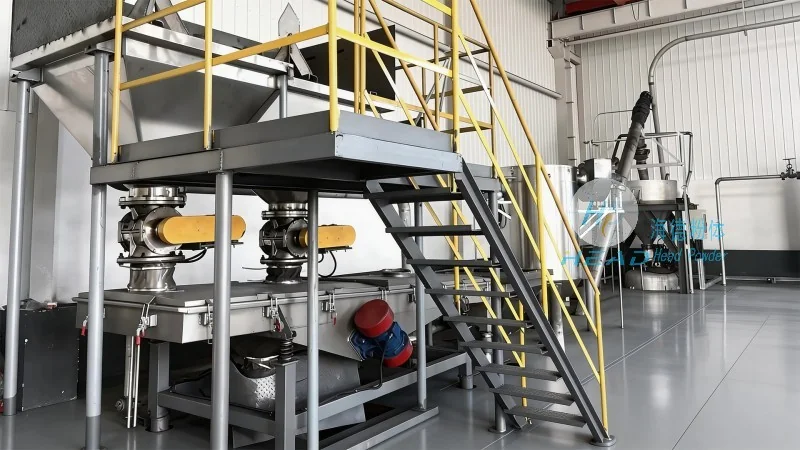
Application Scenarios in Sugar Processing Industries
Sugar pneumatic conveying systems are widely used in various stages of sugar processing, from raw material handling to final product packaging. In the raw material reception area, the system efficiently transports sugar from trucks or railcars into storage silos, ensuring a continuous supply of raw material. During the refining process, the system transfers sugar from the refining tanks to the crystallization and drying units, maintaining a consistent flow of material. In the packaging stage, the system delivers sugar to the packaging machines, enabling automated and precise filling of bags or containers. Each of these scenarios demands a tailored approach to system design, considering factors such as material characteristics, flow rates, and environmental conditions.
Advantages of Pneumatic Conveying for Sugar Handling
Implementing pneumatic conveying systems for sugar offers several advantages over traditional mechanical methods. Firstly, it eliminates the need for manual labor, reducing operational costs and improving workplace safety. The automated nature of the system minimizes human error and ensures consistent product quality. Secondly, the system provides a hygienic and clean environment, which is crucial for food-grade products like sugar. The enclosed pipeline design prevents contamination from external sources and maintains the product's purity. Thirdly, the energy efficiency of pneumatic conveying systems is notable, as they consume less power compared to mechanical conveyors, leading to lower operational expenses. Additionally, the flexibility of the system allows for easy expansion or modification to accommodate changes in production capacity or process requirements.
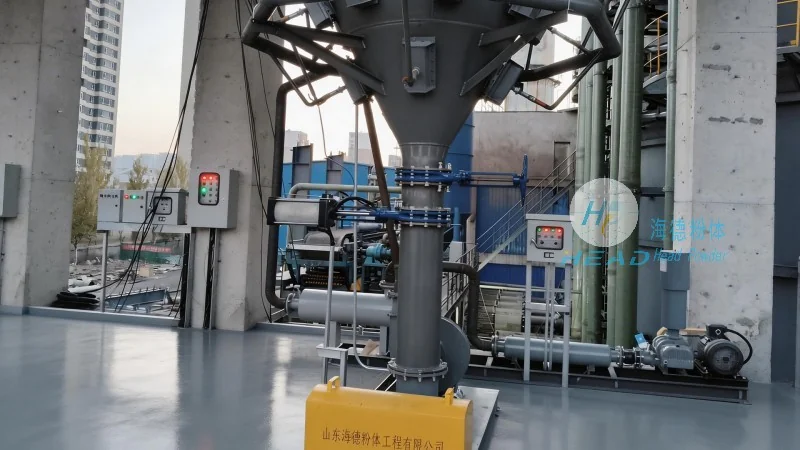
Conclusion and Company Expertise
HeadPowder Engineering Co., Ltd., with its headquarters in Shandong, China, is a trusted provider of specialized pneumatic conveying solutions for the sugar industry. By leveraging advanced engineering principles and tailored system designs, HeadPowder ensures that sugar is transported efficiently, safely, and with minimal product degradation. The company's expertise in handling hygroscopic and delicate materials, combined with its commitment to quality and innovation, makes it a preferred choice for sugar processing facilities worldwide. Whether for raw material handling, refining, or packaging, HeadPowder's pneumatic conveying systems deliver reliable performance and contribute to the overall efficiency of sugar production processes.