

Working Principle and Characteristics of Pneumatic Conveying for Ferric Sulfate Materials
Understanding the pneumatic conveying of ferric sulfate materials is crucial for industries dealing with bulk solid handling. This process involves the transport of solid particles, such as ferric sulfate, using a gas stream, typically air, to move the material from one location to another. The working principle of pneumatic conveying for ferric sulfate materials is based on the interaction between the solid particles and the gas flow, which creates a suspension that can be propelled through a pipeline system.
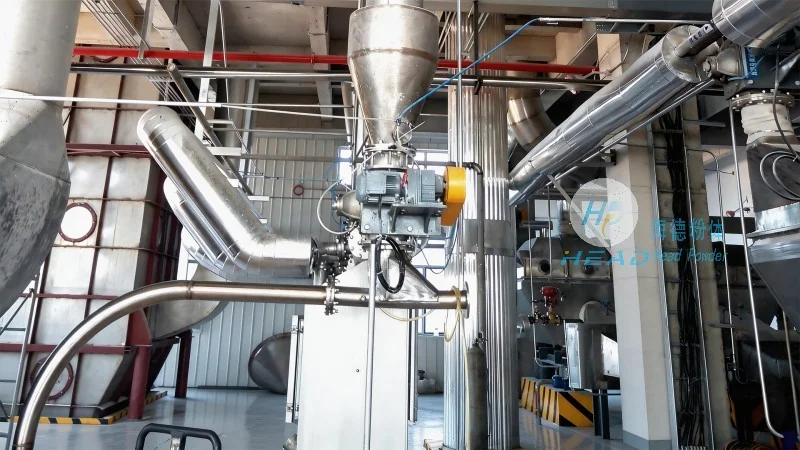
The Working Principle of Pneumatic Conveying for Ferric Sulfate
The core mechanism of pneumatic conveying for ferric sulfate materials revolves around creating a stable suspension of the solid particles within the gas stream. This is achieved by introducing the ferric sulfate powder into a high-velocity air stream, which lifts and transports the particles. The process can be categorized into two main types: dilute phase and dense phase, each with distinct operational characteristics. In dilute phase conveying, the solid particles are dispersed in the gas at a low concentration, allowing for higher velocities and longer distances. Conversely, dense phase conveying involves a higher concentration of particles, resulting in lower velocities and more controlled flow. The choice between these phases depends on the specific properties of the ferric sulfate, such as particle size, moisture content, and the required transport distance.
Key Components and Operation in Pneumatic Conveying Systems
A typical pneumatic conveying system for ferric sulfate materials includes several essential components. These include a material feed hopper, a conveyor pipeline, a gas source (usually a blower or compressor), and a discharge device. The material is first fed into the hopper, where it is then introduced into the pipeline by the gas flow. The blower generates the necessary air pressure and velocity to move the ferric sulfate particles. The pipeline design, including its diameter and length, is critical to ensure efficient transport without excessive pressure drop or particle degradation. The discharge device at the end of the pipeline collects the ferric sulfate, completing the conveying process. Proper maintenance of these components is essential to maintain system efficiency and prevent blockages or other operational issues.
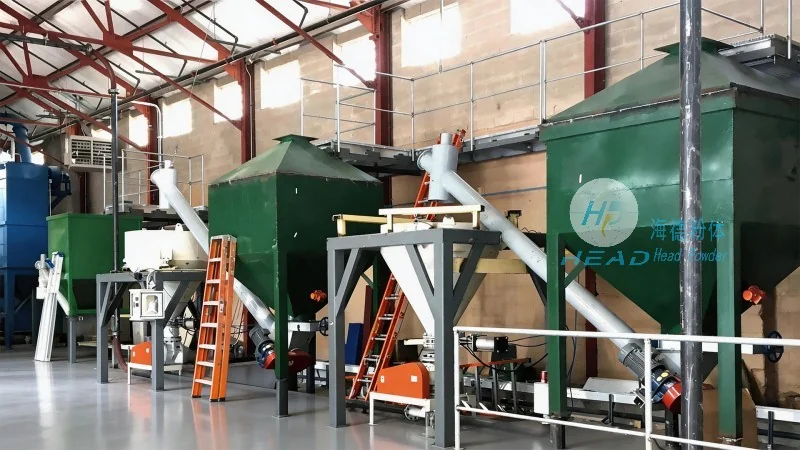
Characteristics of Pneumatic Conveying for Ferric Sulfate
Pneumatic conveying for ferric sulfate materials offers several advantages that make it an attractive option for bulk material handling. One of the primary characteristics is its high efficiency in transporting large quantities of material over significant distances with minimal labor. The process is also relatively simple in terms of system setup, as it does not require complex machinery like belt conveyors or bucket elevators. Additionally, pneumatic conveying can be integrated with other processing equipment, such as reactors or storage tanks, to form a continuous production line. Another key characteristic is its ability to handle materials with varying properties, including those that are dusty or have a tendency to agglomerate. The gas flow helps to break up agglomerates and maintain a consistent particle size distribution, ensuring smooth operation. Environmental considerations are also an important characteristic, as pneumatic conveying can be designed to minimize dust emissions and comply with regulatory standards. The enclosed system reduces the risk of dust exposure for operators and helps to maintain a clean working environment.
Applications and Benefits in Industrial Settings
The application of pneumatic conveying for ferric sulfate materials is widespread across various industries, including chemical manufacturing, water treatment, and mining. In chemical manufacturing, it is used to transport ferric sulfate from storage to processing units, such as reactors or mixers. In water treatment plants, pneumatic conveying is employed to deliver ferric sulfate to dosing systems, where it is used as a coagulant to remove impurities from water. The benefits of using pneumatic conveying in these applications include improved process control, reduced downtime, and enhanced safety. The ability to transport material without direct human contact minimizes the risk of accidents and exposure to hazardous materials. Furthermore, the system's flexibility allows for easy integration with existing infrastructure, reducing the need for major modifications to existing facilities.
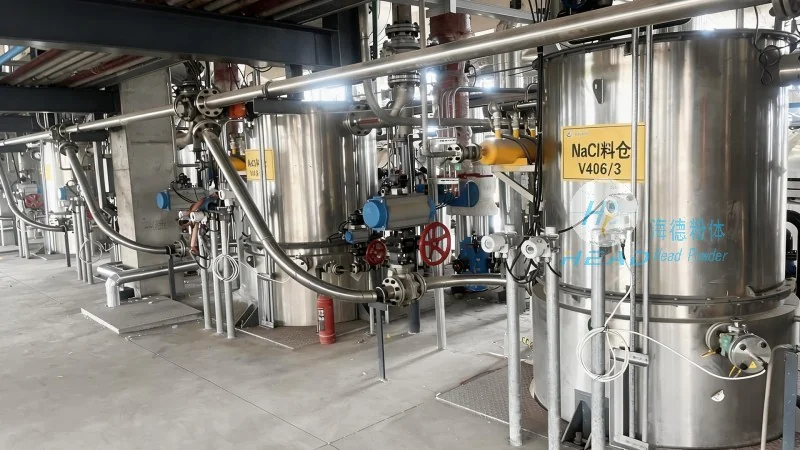
Challenges and Mitigation Strategies
While pneumatic conveying offers numerous advantages, it also presents some challenges that must be addressed to ensure optimal performance. One common challenge is the potential for blockages in the pipeline, which can occur due to agglomerated particles or moisture in the ferric sulfate. To mitigate this, the system can be equipped with cleaning mechanisms, such as pulse jets or air knives, that help to clear blockages and maintain flow. Another challenge is the pressure drop across the pipeline, which can increase energy consumption and reduce system efficiency. Proper pipeline sizing and the use of smooth, non-porous materials can help to minimize pressure drop. Additionally, the selection of the appropriate gas velocity is critical to prevent particle degradation or loss of material. Too high a velocity can cause particle breakage, while too low a velocity may lead to settling or blockages. Regular monitoring and maintenance of the system are essential to identify and address these issues promptly.
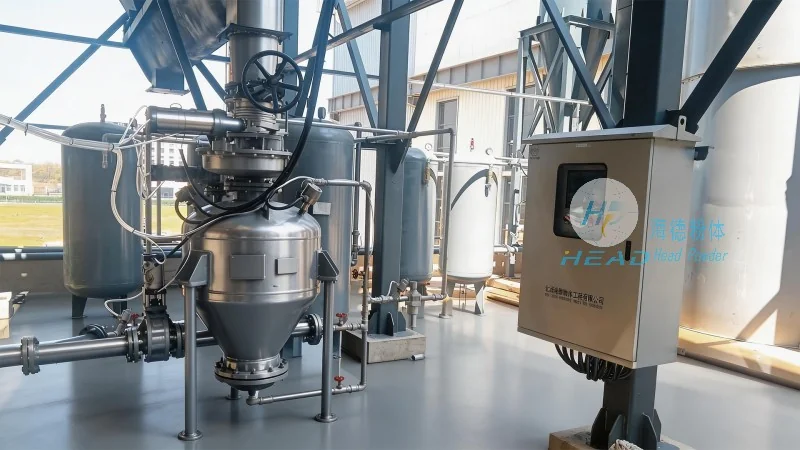
Conclusion and Company Information
Pneumatic conveying for ferric sulfate materials is a reliable and efficient method for bulk material handling, offering several key advantages over traditional transport methods. The working principle, which involves creating a stable suspension of particles in a gas stream, allows for the transport of large quantities of material over long distances with minimal labor. The characteristics of this process, including high efficiency, simplicity, and environmental benefits, make it suitable for various industrial applications. However, challenges such as blockages and pressure drop must be managed through proper system design and maintenance.
Shandong HeadPowder Engineering Co., Ltd., a leading provider of bulk material handling solutions, specializes in the design and implementation of pneumatic conveying systems for ferric sulfate and other materials. With a focus on innovation and customer satisfaction, the company offers tailored solutions that meet the specific needs of its clients. Located in Shandong, China, HeadPowder Engineering leverages its expertise to deliver high-quality, reliable systems that enhance operational efficiency and safety. By combining advanced technology with professional service, the company ensures that its clients receive the best possible solutions for their material handling requirements.