

Working Principle and Characteristics of Pneumatic Conveying for Silicate Materials
For industries dealing with silicate materials, efficient material handling is crucial to maintain production efficiency and ensure product quality. Pneumatic conveying systems offer a reliable solution for transporting these materials, and understanding their working principles and key characteristics is essential for selecting the right equipment. This article explores the fundamental aspects of pneumatic conveying for silicate materials, highlighting the technology's operational mechanisms and its distinct advantages.
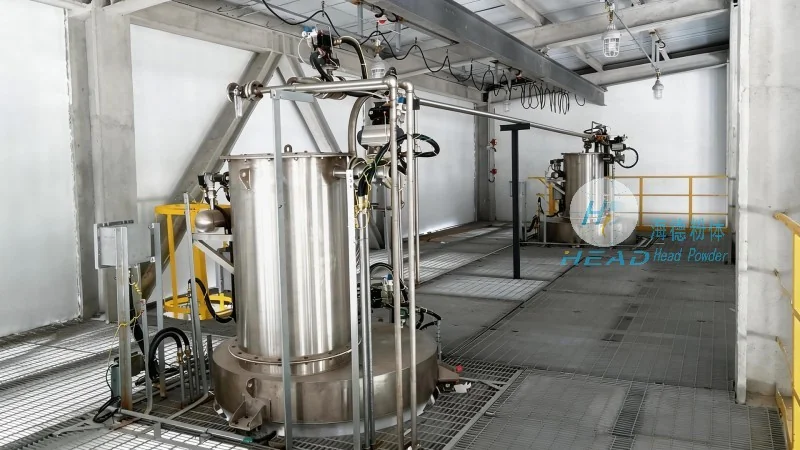
Shandong HeadPowder Engineering Co., Ltd., a leading provider in the field, specializes in designing and manufacturing advanced pneumatic conveying solutions tailored to the unique properties of silicate materials. With a focus on innovation and precision engineering, the company's systems are engineered to handle the challenges associated with transporting these materials, which often include high bulk density, abrasive nature, and varying particle sizes.
The Working Principle of Pneumatic Conveying for Silicate Materials
Pneumatic conveying operates by using a gas stream, typically air, to transport solid materials through a pipeline. The process can be categorized into two main types: aspiration (or suction) conveying and pressure (or blow) conveying. For silicate materials, both methods are commonly employed, each with specific applications and operational characteristics.
In aspiration conveying, a vacuum is created at the material inlet to draw the material into the pipeline. The air and material mixture is then transported to the discharge point, where the material is separated from the air stream. This method is particularly effective for handling materials that are light and can be easily entrained by the air flow. Silicate materials such as silica sand, kaolin, and other fine powders often benefit from this approach due to their low density and fine particle size.
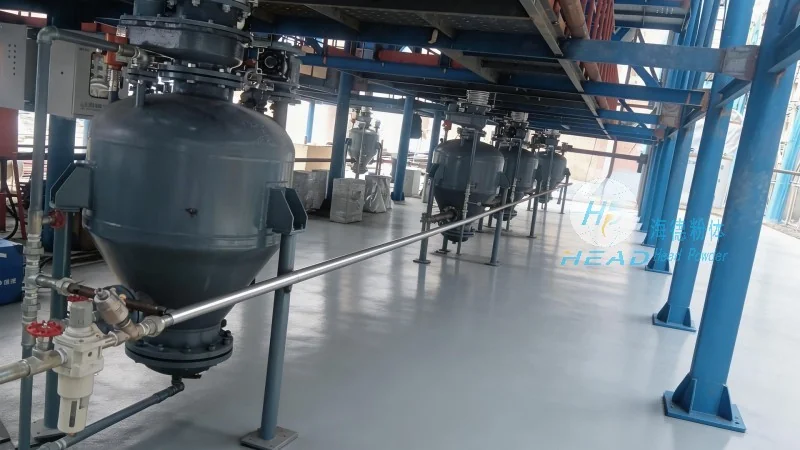
Conversely, pressure conveying uses compressed air to push the material through the pipeline. The material is fed into a hopper or feeder, where it is mixed with the pressurized air and then transported to the destination. This method is ideal for materials that are more dense or have higher moisture content, as the higher air pressure ensures efficient transport without clogging the system. Shandong HeadPowder Engineering Co., Ltd. designs pressure conveying systems that can handle a wide range of silicate materials, including those with higher bulk densities and larger particle sizes.
Key Characteristics of Pneumatic Conveying Systems for Silicate Materials
When evaluating pneumatic conveying systems for silicate materials, several key characteristics must be considered to ensure optimal performance and longevity of the equipment. These characteristics include:
1. Material Handling Efficiency: The ability of the system to transport silicate materials at high capacities without significant loss or degradation. Shandong HeadPowder Engineering Co., Ltd.'s systems are engineered to maintain material integrity, preventing agglomeration or degradation that can occur with traditional bulk handling methods.
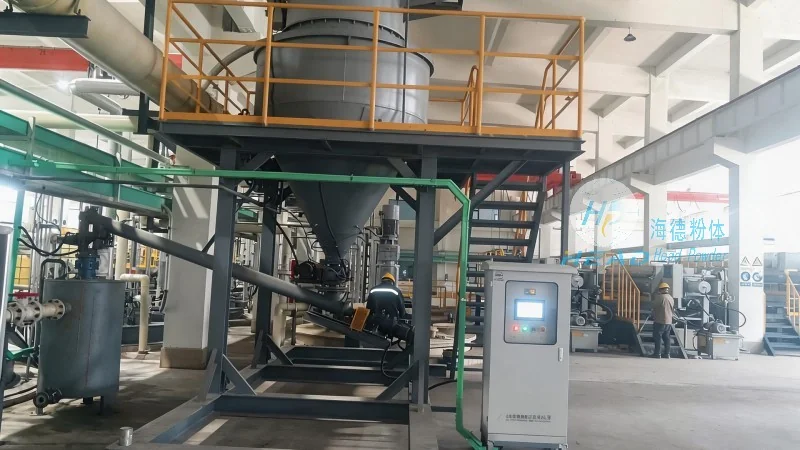
2. System Flexibility: The adaptability of the conveying system to handle different types of silicate materials, including fine powders, granules, and even bulk materials. The company's modular designs allow for easy integration and customization to meet specific production requirements.
3. Energy Efficiency: The system's ability to operate with minimal energy consumption while maintaining high transport efficiency. Advanced designs, such as energy recovery systems and optimized air flow, contribute to lower operational costs for clients.
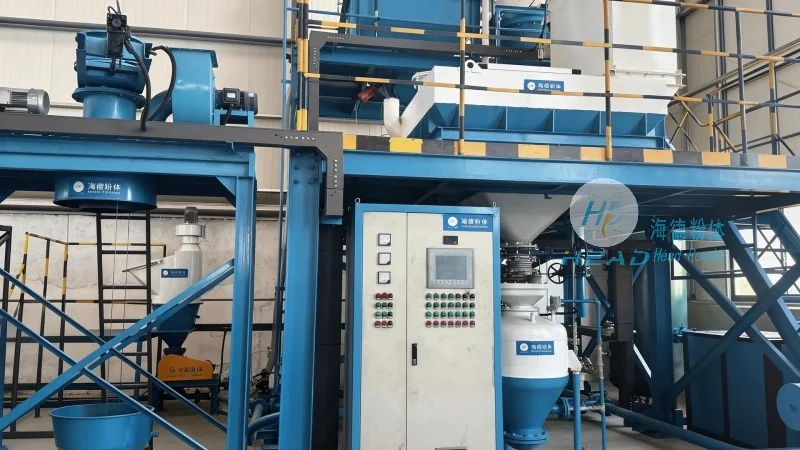
4. Maintenance and Durability: The robust construction of the equipment to withstand the abrasive nature of silicate materials. Shandong HeadPowder Engineering Co., Ltd. uses high-quality materials and precision manufacturing processes to ensure long-term reliability and reduce maintenance downtime.
Applications and Benefits in Industrial Settings
Pneumatic conveying systems for silicate materials find widespread application in various industries, including ceramics, glass manufacturing, chemical processing, and mining. The benefits of using such systems include improved production throughput, reduced labor costs, and enhanced safety by minimizing manual handling of powders. Shandong HeadPowder Engineering Co., Ltd. has successfully implemented these systems in numerous industrial projects, helping clients achieve higher efficiency and lower operational expenses.
For businesses looking to enhance their material handling capabilities with silicate materials, understanding the working principles and characteristics of pneumatic conveying is the first step toward selecting the right solution. By partnering with a reputable provider like Shandong HeadPowder Engineering Co., Ltd., companies can leverage advanced technology to optimize their operations and stay competitive in their respective markets.