

Working Principle and Characteristics of Calcite Material Pneumatic Conveying
Calcite, a common calcium carbonate mineral, is widely utilized in industries such as construction, pharmaceuticals, and chemical manufacturing. Efficient material handling is critical for optimizing production processes, and pneumatic conveying systems have become a preferred method for transporting calcite powders and granules. This article examines the working principle and key characteristics of pneumatic conveying systems designed for calcite material, highlighting technical aspects and operational benefits.
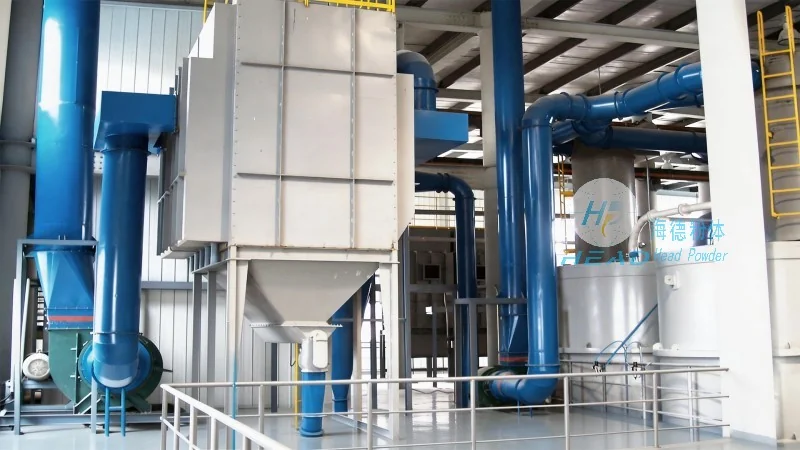
Working Principle of Pneumatic Conveying for Calcite
Pneumatic conveying systems employ air or gas to transport bulk materials like calcite through a pipeline network. The process typically involves suction (negative pressure) or pressure (positive pressure) conveying. In suction conveying, a vacuum is created at the material inlet to draw calcite particles into the pipeline, where they mix with air and are transported to the discharge point. This mode is suitable for short to medium distances and multiple source collection. Pressure conveying, on the other hand, uses compressed air to push the material through the pipeline, ideal for longer distances and higher flow rates. The choice depends on factors like distance, material properties (particle size, density), and required throughput.
Core components of a calcite pneumatic system include the material hopper, air compressor/vacuum pump, conveying pipeline, and discharge equipment. The hopper stores calcite and facilitates feeding, often with a conical bottom for uniform flow. The air compressor or vacuum pump generates the necessary pressure/vacuum. The pipeline is made of corrosion-resistant materials (e.g., stainless steel) to withstand calcite's chemical properties. Discharge equipment like rotary valves or venturis control material release at the destination, ensuring controlled discharge.
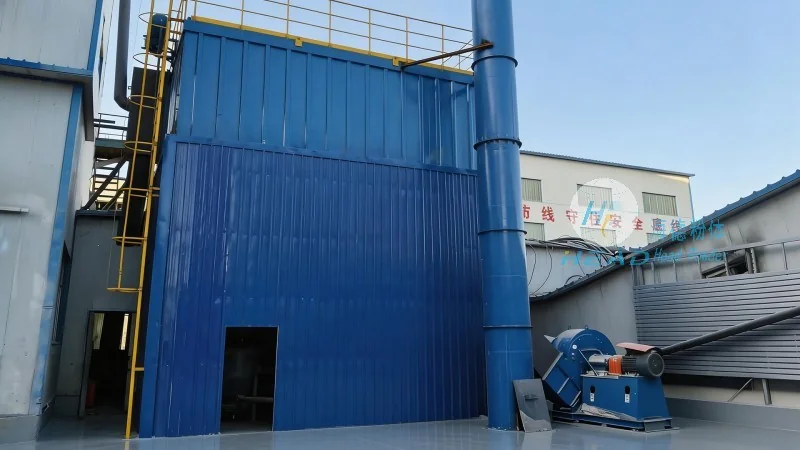
Key Characteristics of the System
A primary advantage is handling fine powders without mechanical degradation, unlike traditional conveyors. This minimizes friction and abrasion, preserving material integrity and reducing maintenance. The system also operates dust-free, enhancing workplace safety and preventing dust explosions. Flexible pipeline routing allows adaptation to facility layouts, accommodating obstacles and space constraints.
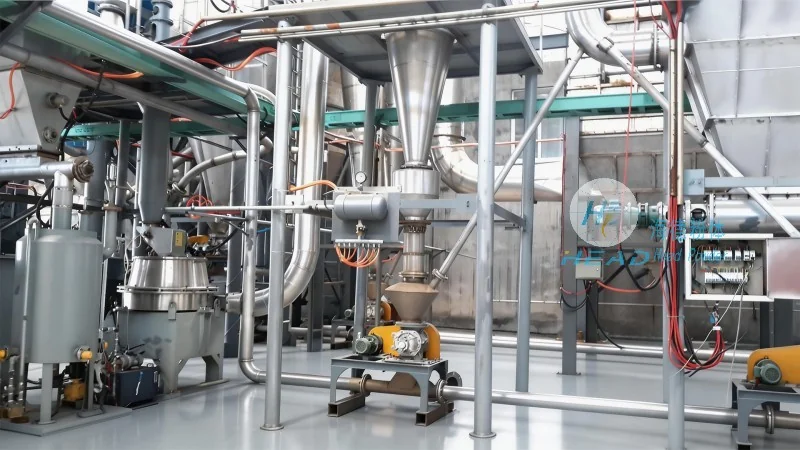
Energy efficiency and operational flexibility are additional benefits. Advanced control systems optimize air usage and minimize energy consumption via variable speed drives and pressure regulation. The system integrates easily with existing production lines and adjusts conveying rates based on demand. Versatility in handling varying particle sizes and moisture content makes it suitable for diverse industrial applications.
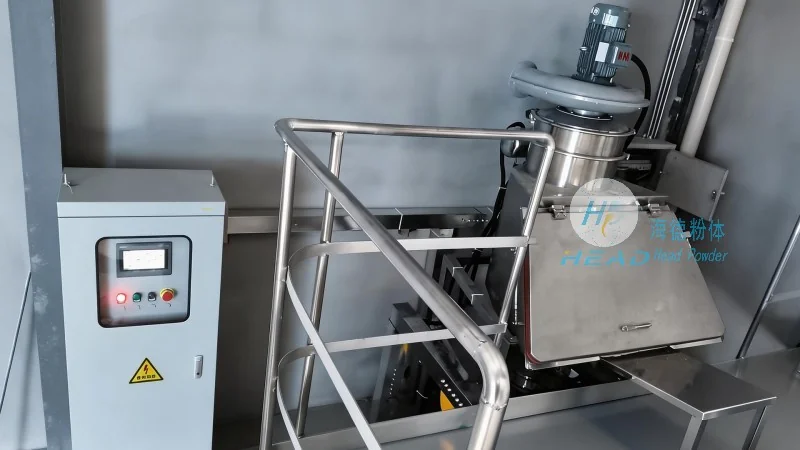
Operational Benefits and Considerations
Implementing the system offers improved process reliability, reduced downtime, and enhanced product quality. Closed operation minimizes external contamination, ensuring material purity—critical in industries like pharmaceuticals and food processing. Compact design saves space, optimizing facility layout. However, performance depends on material properties (particle size, moisture, bulk density), requiring proper system sizing to avoid blockages or pressure drops. Regular maintenance (pipeline and component cleaning) is essential for efficiency and longevity. Initial investment and energy costs must be evaluated for long-term economic viability.
Conclusion
Pneumatic conveying systems provide an effective and efficient solution for calcite material transport in various industries. Understanding the working principle and characteristics enables manufacturers to optimize material handling, improve operational efficiency, and enhance product quality. Technical advancements and careful system design ensure pneumatic conveying remains a reliable, sustainable option for calcite transport, supporting industrial growth and success.