

Working Principle and Characteristics of Pneumatic Conveying for Glucose Materials
HeadPowder, a leading provider in the field of material handling solutions, specializes in the design, manufacturing, and installation of pneumatic conveying systems tailored for diverse industrial applications, including the efficient transport of glucose materials. Pneumatic conveying technology offers a reliable and efficient method for moving bulk solid materials like glucose, which is widely used in the food, pharmaceutical, and chemical industries. This article delves into the fundamental working principle of pneumatic conveying systems and highlights the key characteristics that make them suitable for handling glucose and similar materials.
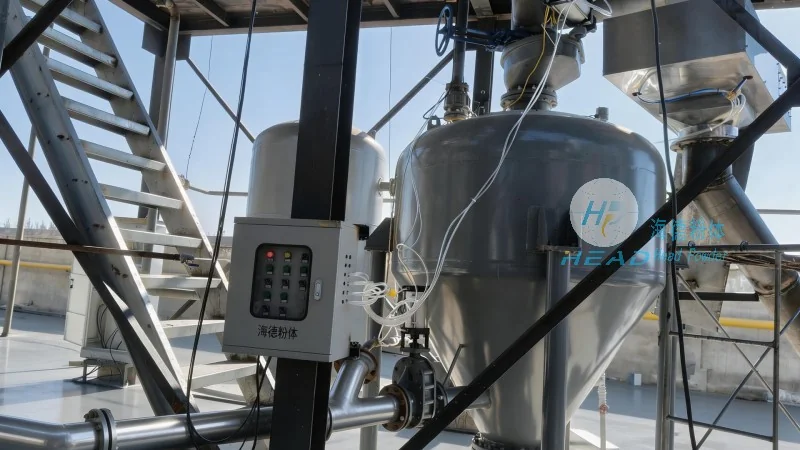
The core working principle of a pneumatic conveying system involves the use of a gas stream, typically air or a mixture of air and other gases, to transport solid particles through a pipeline. In the case of glucose materials, which are often in granular or powdered form, the system relies on the creation of a sufficient gas velocity to overcome the gravitational and frictional forces acting on the particles. This is achieved by either generating a high-pressure air flow (positive pressure system) or creating a vacuum in the pipeline (negative pressure system) to draw the material into the conveying line. The process begins with the material being fed into the inlet of the system, where it is mixed with the moving gas stream. As the gas flows through the pipeline, it carries the glucose particles forward, ensuring a continuous and controlled transport from the source to the destination.
Key components of a typical pneumatic conveying system for glucose materials include the feeding device, conveying line, gas source (air compressor or vacuum pump), and control system. The feeding device, such as a rotary valve or a screw feeder, ensures a consistent and controlled introduction of the glucose material into the system. The conveying line, usually made of stainless steel or other corrosion-resistant materials, is designed to withstand the abrasive nature of the granular or powdered glucose and maintain hygiene standards required in food and pharmaceutical applications. The gas source provides the necessary pressure or vacuum to drive the material through the pipeline, while the control system monitors and adjusts the flow rate and pressure to optimize the conveying process and prevent blockages or system failures.

One of the primary advantages of pneumatic conveying for glucose materials is its ability to handle materials that are sensitive to mechanical stress or contamination. Unlike mechanical conveying systems, which may involve direct contact between the material and the conveying equipment, pneumatic systems use air as the medium, minimizing the risk of product degradation or contamination. This is particularly important for glucose, which is often used in food and pharmaceutical products where purity and quality are critical. Additionally, pneumatic conveying allows for the transport of materials over long distances and through complex layouts, such as vertical lifts or horizontal curves, without the need for multiple transfer points or additional equipment.
Another significant characteristic of pneumatic conveying systems is their flexibility in handling varying material properties. Glucose materials can range from fine powders to coarse granules, and the system can be adjusted to accommodate different particle sizes and flow rates. The velocity of the gas stream can be controlled to ensure that the particles are carried without excessive abrasion or segregation, which could affect the uniformity of the material. This adaptability makes pneumatic conveying suitable for a wide range of applications, from small-scale laboratory operations to large-scale industrial production lines.
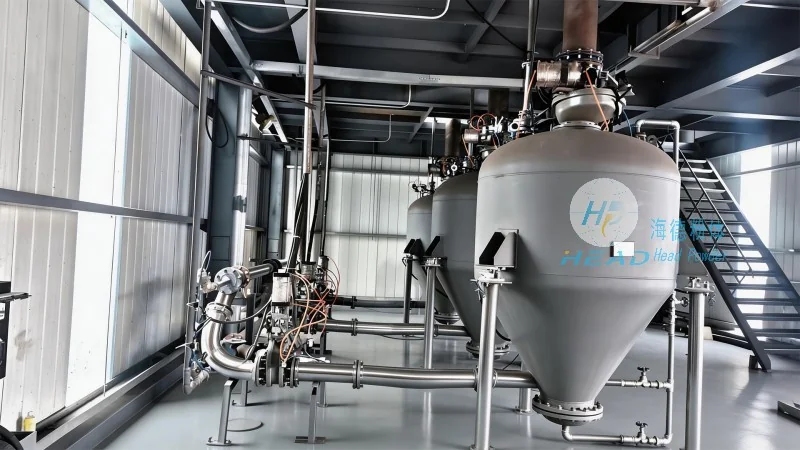
Efficiency and cost-effectiveness are also key factors in the adoption of pneumatic conveying for glucose materials. By eliminating the need for mechanical components like belts, buckets, or screws, the system reduces maintenance requirements and operational costs. The absence of moving parts also minimizes the risk of mechanical failure, leading to higher system reliability and longer service life. Furthermore, the ability to transport materials in a closed system helps maintain environmental standards by preventing dust emissions and ensuring compliance with regulatory requirements.
In conclusion, pneumatic conveying systems offer a robust and efficient solution for the transport of glucose materials. The working principle, which relies on the interaction between a gas stream and solid particles, provides a reliable method for moving materials while preserving their quality and integrity. The characteristics of these systems, including their ability to handle sensitive materials, transport over long distances, and adapt to varying conditions, make them an ideal choice for industries that require high standards of hygiene and product quality. As a company dedicated to providing innovative material handling solutions, Shandong HeadPowder Engineering Co., Ltd. continues to advance the technology and application of pneumatic conveying systems, ensuring that clients can achieve optimal performance and cost savings in their operations.