

Working Principle and Features of Sodium Silicate Material Handling Systems
Understanding the working principle and features of sodium silicate material handling systems is crucial for industries that rely on efficient and reliable transport of this versatile chemical. This article provides a detailed overview, focusing on the technical aspects and practical applications of such systems, while incorporating essential company information for context.
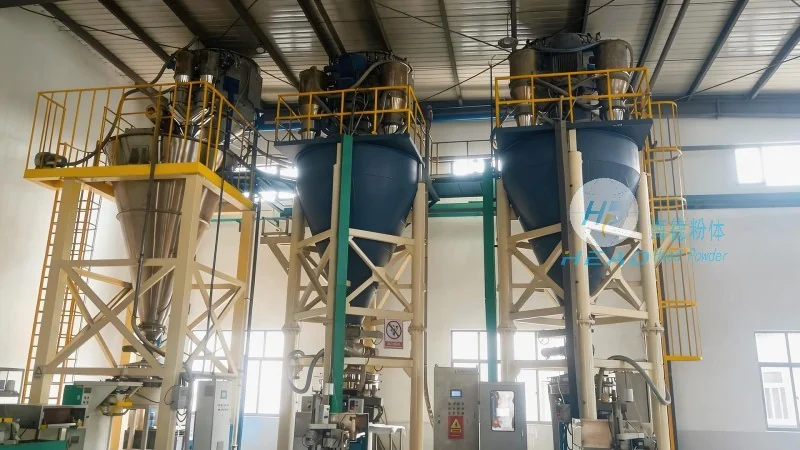
Shandong HeadPowder Engineering Co., Ltd., a leading manufacturer based in China, specializes in the design, development, and implementation of advanced material handling solutions tailored to the unique requirements of various industrial sectors. With a strong commitment to quality and innovation, the company has established itself as a trusted partner in the field of chemical processing and material transport.
The core working principle of a sodium silicate material handling system revolves around the integration of specialized equipment designed to handle the physical and chemical properties of sodium silicate. This chemical, commonly used in construction, water treatment, and industrial applications, presents specific challenges during transportation due to its viscosity and reactivity. To address these challenges, the system typically employs a combination of pumps, conveyors, and storage tanks, each engineered to maintain the material's integrity and ensure smooth operation.
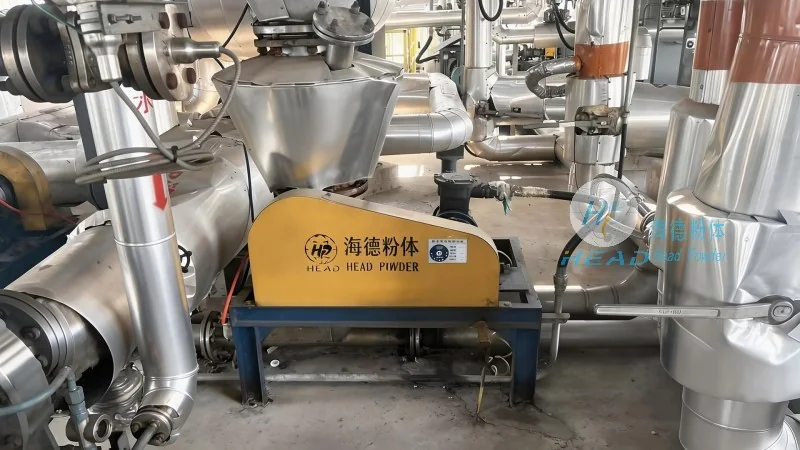
One of the key components in the system is the pump, which is responsible for transferring sodium silicate from storage tanks to processing units or other destinations. The choice of pump type—such as centrifugal or positive displacement pumps—depends on factors like the material's viscosity, flow rate, and pressure requirements. For sodium silicate, which can vary in consistency from a liquid to a semi-solid, positive displacement pumps are often preferred as they provide consistent flow rates and maintain pressure, preventing clogging or degradation of the material.
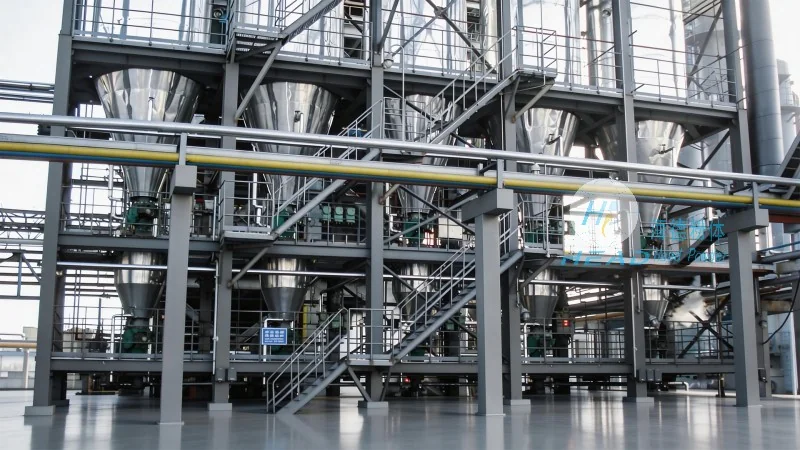
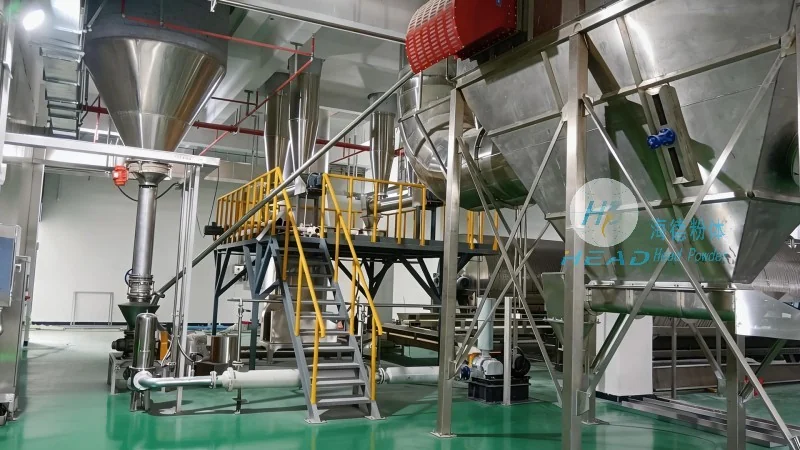
Conveyors play a vital role in the system, especially when transporting sodium silicate in bulk quantities. Screw conveyors, for instance, are widely used due to their ability to handle viscous materials without the need for additional lubricants. These conveyors use rotating screws to move the material along a trough, ensuring efficient transport while minimizing product degradation. Additionally, some systems may incorporate pneumatic conveyors for lighter or more fluid sodium silicate, though this is less common due to the material's density and potential for clogging.
Storage tanks are another critical element, designed to hold sodium silicate in a controlled environment. These tanks are typically made of corrosion-resistant materials, such as stainless steel or lined carbon steel, to withstand the chemical's reactivity. The tanks are equipped with level indicators, temperature sensors, and agitation systems to maintain the material's consistency and prevent solidification or separation of components. Proper maintenance of these tanks is essential to ensure the longevity and efficiency of the entire system.
The features of sodium silicate material handling systems are tailored to enhance operational efficiency and safety. One notable feature is the integration of automation and control systems, which allow for real-time monitoring of flow rates, pressure, and temperature. This enables operators to adjust the system parameters dynamically, optimizing performance and reducing downtime. Additionally, the systems often include safety features such as emergency shut-off valves, pressure relief devices, and leak detection sensors, ensuring compliance with industrial safety standards and protecting personnel and equipment from potential hazards.
Another key feature is the adaptability of the system to different processing requirements. For example, the system can be configured to handle both liquid and solid forms of sodium silicate, making it versatile for various applications. This flexibility allows industries to integrate the system into existing workflows without major modifications, reducing implementation costs and time. Furthermore, the system's modular design enables easy expansion or modification as production needs evolve, providing long-term value and adaptability.
Operational efficiency is a primary concern in sodium silicate material handling, and the system's design addresses this through several mechanisms. The use of high-quality materials and components minimizes wear and tear, reducing maintenance costs and extending the system's lifespan. Additionally, the system's energy-efficient design, such as optimized pump and conveyor speeds, helps lower operational costs while maintaining performance. The integration of advanced control systems also contributes to energy savings by preventing unnecessary energy consumption during idle periods.
From a safety perspective, the system incorporates multiple layers of protection to mitigate risks associated with handling sodium silicate. The corrosion-resistant materials used in storage tanks and pipelines prevent chemical reactions that could compromise the system's integrity. The safety features, including pressure relief valves and leak detection systems, ensure that any potential issues are identified and addressed promptly, minimizing the risk of accidents or environmental contamination. Furthermore, the system's design adheres to international safety standards, providing peace of mind to operators and stakeholders.
Environmental considerations are also a significant aspect of sodium silicate material handling systems. The system is designed to minimize waste and reduce the environmental impact of the material transport process. For instance, the use of closed-loop systems prevents spills or leaks, while proper ventilation and filtration systems control emissions. Additionally, the system's energy efficiency reduces the carbon footprint associated with operation, aligning with sustainability goals in modern industry.
In conclusion, sodium silicate material handling systems are sophisticated solutions that combine advanced technology with practical design to meet the demands of industrial applications. The working principle, centered on specialized equipment and integrated controls, ensures efficient and safe transport of sodium silicate. The features, including automation, adaptability, and safety measures, enhance operational performance and compliance. As a leading provider, Shandong HeadPowder Engineering Co., Ltd. continues to innovate and refine these systems, offering reliable solutions that support the growth and efficiency of industries worldwide.