

Working Principle and Features of Fine Light Sand Material Handling Systems
When discussing material handling systems, the fine light sand material handling system stands out as a specialized solution designed to efficiently manage the transportation of fine, lightweight particles. This system is particularly crucial in industries such as foundries, construction, and chemical processing, where the handling of fine light sand is essential for various production processes. The working principle and features of this system are integral to its effectiveness and adaptability in diverse operational environments.
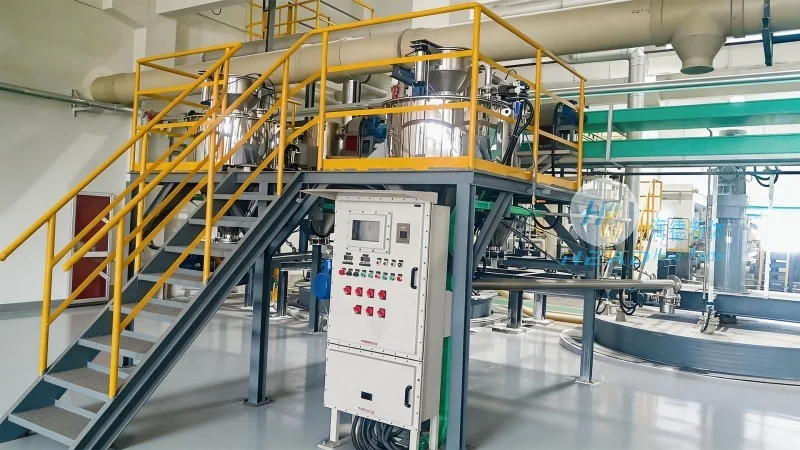
HeadPowder, a leading manufacturer in the field, specializes in developing and supplying advanced material handling solutions tailored to the unique needs of fine light sand. With a focus on innovation and precision engineering, the company’s systems are engineered to optimize the flow and control of these delicate materials. The core components of a typical fine light sand material handling system include feeding mechanisms, conveying equipment, and control systems, all working in tandem to ensure smooth and efficient operation.
The working principle of the fine light sand material handling system typically involves several key steps. First, the material is fed into the system through a hopper or feeder, which ensures a consistent and controlled flow. This initial step is critical to prevent material buildup or uneven distribution, which could lead to inefficiencies or equipment damage. Next, the material is conveyed through a series of pipes or channels, often using pneumatic or mechanical methods. Pneumatic conveying, for instance, utilizes compressed air to move the fine light sand, offering advantages such as low maintenance and the ability to handle materials over long distances without the need for complex infrastructure. Mechanical conveying systems, on the other hand, may employ screw conveyors or belt conveyors, which are suitable for shorter distances or when the material requires more direct contact with the conveying surface.
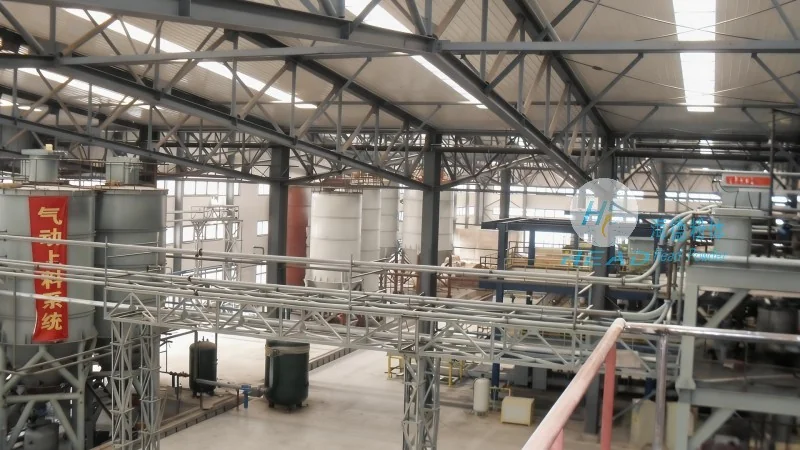
After the material is conveyed, it is typically processed or transferred to the next stage of the production line. This may involve filtration, sorting, or blending, depending on the specific application. The control system plays a vital role in regulating the entire process, ensuring that the flow rate, pressure, and other parameters are maintained within optimal ranges. Modern systems often incorporate sensors and automation technologies to enhance precision and reduce human intervention, leading to increased productivity and reduced operational costs.
One of the primary features of the fine light sand material handling system is its efficiency in handling fine, lightweight particles. Unlike traditional systems that may struggle with dust or clogging, this system is designed to minimize these issues through advanced engineering. The use of specialized materials for the conveying components, such as stainless steel or corrosion-resistant alloys, ensures durability and resistance to the abrasive nature of fine light sand. Additionally, the system’s design allows for easy cleaning and maintenance, which is essential for maintaining consistent performance over time.
Another key feature is the system’s adaptability to different operational conditions. Whether dealing with varying particle sizes, moisture levels, or production volumes, the fine light sand material handling system can be customized to meet specific requirements. This flexibility makes it suitable for a wide range of applications, from small-scale foundries to large industrial plants. The system’s ability to integrate with existing production lines also enhances its practicality, as it can be seamlessly incorporated into current workflows without significant disruption.
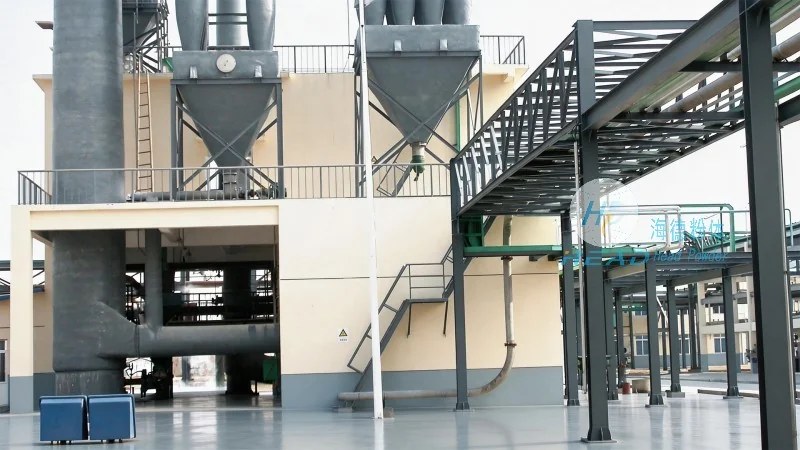
Environmental considerations are also a significant aspect of the fine light sand material handling system. Many modern systems incorporate dust collection and filtration systems to minimize airborne particles and comply with environmental regulations. This not only improves workplace safety but also contributes to a cleaner and more sustainable operation. The use of energy-efficient components further reduces the system’s environmental footprint, aligning with the growing emphasis on sustainable industrial practices.
In conclusion, the fine light sand material handling system, as developed by Shandong HeadPowder Engineering Co., Ltd., represents a sophisticated solution for the efficient and reliable transportation of fine light sand. By combining advanced engineering principles with practical design, this system addresses the unique challenges associated with handling such materials, offering benefits such as improved productivity, reduced maintenance costs, and enhanced environmental performance. For industries relying on fine light sand in their production processes, investing in a high-quality material handling system is essential to maintaining operational efficiency and competitiveness.