

Working Principle and Features of Polycrystalline Silicon Material Handling Systems
Polycrystalline silicon serves as a fundamental material in the photovoltaic industry, forming the basis of solar cell production. The efficient handling and transportation of this material are critical to optimizing production efficiency and maintaining product quality. Shandong HeadPowder Engineering Co., Ltd., a leading engineering firm based in Shandong, China, specializes in developing advanced material handling systems tailored for polycrystalline silicon processing. This article delves into the working principle and key characteristics of their polycrystalline silicon material handling systems, offering insights into how these systems enhance operational performance in solar manufacturing facilities.
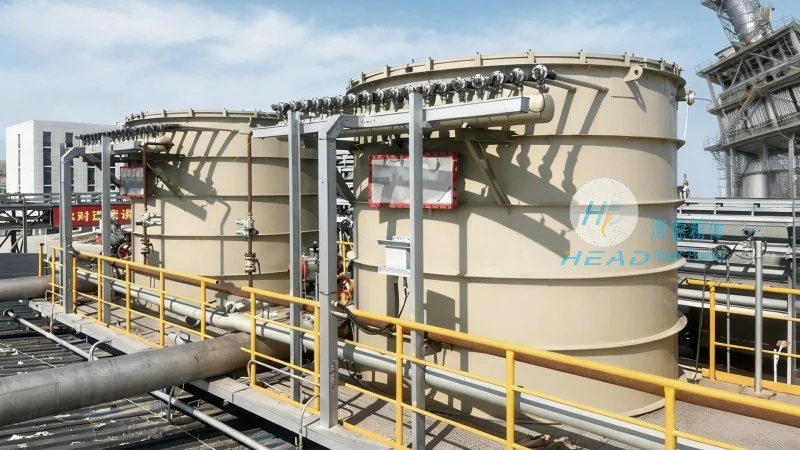
Company Overview and Expertise
HeadPowder, as the company name implies, focuses on powder and material engineering solutions. With its headquarters in Shandong, China, the firm leverages local industrial resources and technical expertise to design and manufacture high-performance material handling systems. The company's team comprises experienced engineers and technicians with deep knowledge of the solar industry, ensuring that their products meet the stringent requirements of modern solar cell production lines. By integrating advanced technology with practical application insights, HeadPowder delivers systems that are both reliable and cost-effective for clients in the photovoltaic sector.
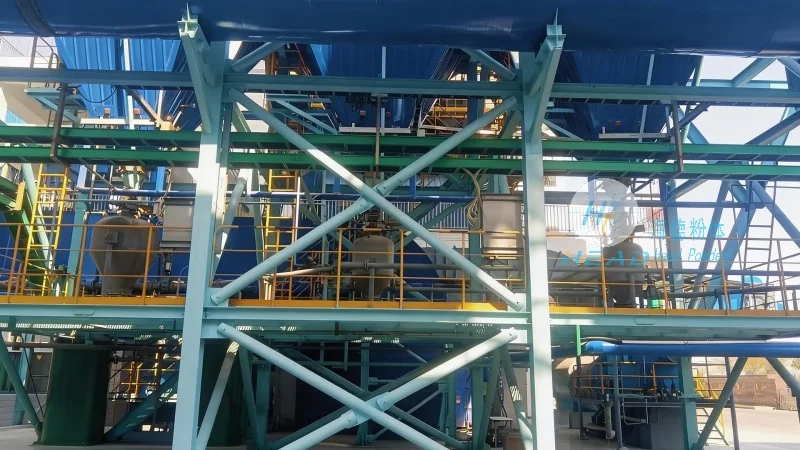
Working Principle of Polycrystalline Silicon Material Handling Systems
The core working principle of a polycrystalline silicon material handling system involves a sequence of integrated processes designed to move, store, and prepare silicon material for subsequent processing steps. The system typically begins with the storage of raw polycrystalline silicon ingots or blocks. These ingots are then transferred via conveyors or elevators to processing stations. The system may incorporate automated feeding mechanisms that use sensors to detect ingot presence and position, ensuring precise and continuous material flow. Additionally, dust control measures are integrated to maintain a clean and safe working environment, as polycrystalline silicon dust poses health risks if not properly managed. A centralized automation system coordinates all components, optimizing efficiency and minimizing downtime.
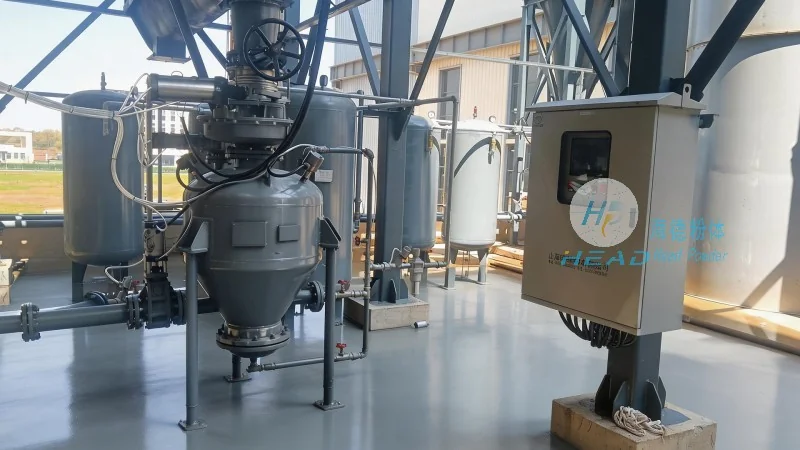
Key Features of Polycrystalline Silicon Material Handling Systems
Polycrystalline silicon material handling systems from HeadPowder are distinguished by several key features. First, the systems prioritize high efficiency, with optimized conveyor speeds and minimal handling time to maximize production line capacity. Second, they offer high precision in material placement, critical for maintaining solar cell quality. Advanced positioning mechanisms, such as servo-driven conveyors, enable accurate ingot placement, reducing damage or misalignment risks. Third, the systems emphasize safety and environmental compliance. Dust collection systems and enclosed conveyor designs minimize dust exposure, while emergency stop mechanisms provide immediate safety responses. Fourth, the systems are highly adaptable, allowing customization to fit diverse production line configurations and material types. This flexibility enables seamless integration into existing infrastructure or expansion as needed. Finally, the systems are built for durability and low maintenance, using high-quality materials and components to withstand industrial operational stresses.
Application and Benefits in Solar Manufacturing
The application of polycrystalline silicon material handling systems in solar manufacturing facilities yields significant benefits. By automating material flow from storage to processing, these systems reduce manual labor and associated costs, while minimizing human error to improve product consistency. The efficient handling also shortens production cycles, enabling manufacturers to meet growing solar panel demand. Furthermore, the systems enhance workplace safety by eliminating heavy ingot handling and reducing dust exposure. Overall, implementing these systems helps solar manufacturers achieve higher productivity, better quality control, and sustainable operational practices.
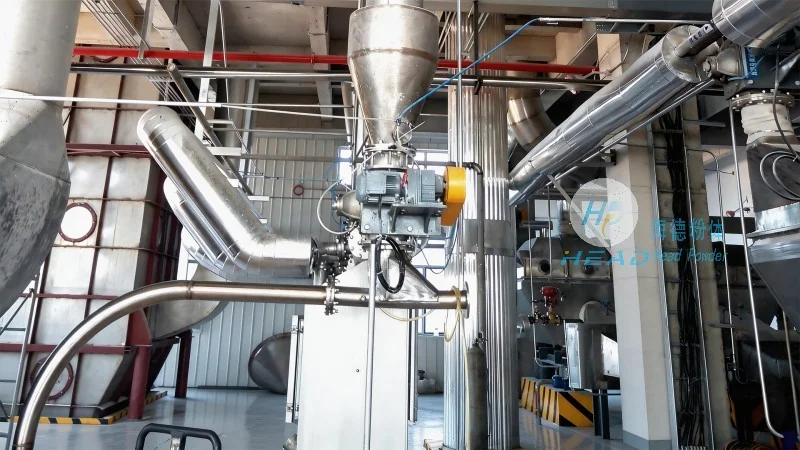
Conclusion
Polycrystalline silicon material handling systems are indispensable components of modern solar cell production lines, and those developed by Shandong HeadPowder Engineering Co., Ltd. exemplify industry-leading efficiency, precision, and safety standards. Understanding the working principle and key features of these systems equips manufacturers to make informed decisions that enhance production capabilities and competitiveness in the global solar market. The integration of advanced automation and material handling technology continues to drive improvements in solar manufacturing, with companies like HeadPowder playing a vital role in advancing these technologies for the benefit of the industry.