

What is a Colored Sand Powder Conveying Line? And What Are Its Design Principles?
Colored sand powder conveying lines are specialized industrial systems engineered to transport colored sand powders efficiently and reliably. These systems are crucial in various manufacturing and processing applications where colored sand is a key raw material. The design of such lines involves a combination of mechanical, pneumatic, and control technologies to ensure safe, clean, and high-performance material handling. This article explores the fundamental aspects of colored sand powder conveying lines, focusing on their design principles and operational characteristics.
Introduction to Colored Sand Powder Conveying Lines
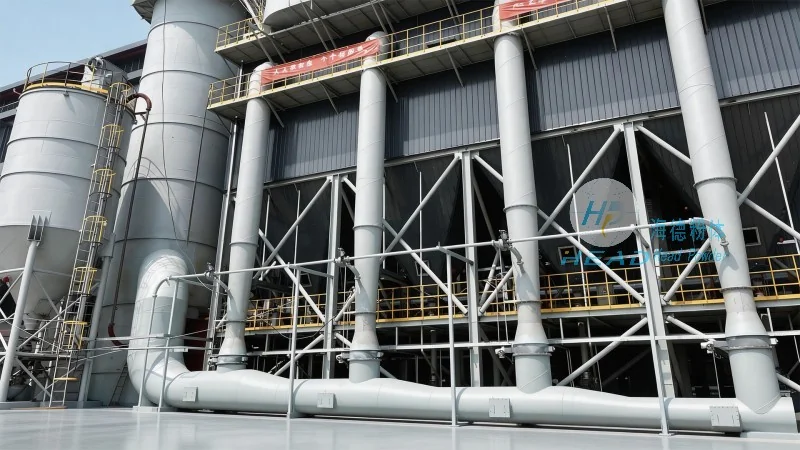
A colored sand powder conveying line, as the name suggests, is a comprehensive system designed to move colored sand powders from storage or processing areas to production lines or end-use applications. These systems are typically used in industries like construction, glass manufacturing, and decorative materials production, where colored sand is required for coloring, texturing, or other finishing processes. The core function of a conveying line is to transport the fine, dry powder in a controlled manner, minimizing dust generation and ensuring consistent material flow. The system often integrates components such as hoppers, feeders, conveyors, and control panels to achieve this objective.
HeadPowder, a leading manufacturer in this field, specializes in designing and supplying high-quality colored sand powder conveying lines. With a strong presence in Shandong, China, HeadPowder Engineering Co., Ltd. leverages years of experience to develop solutions tailored to the specific needs of clients. The company’s commitment to innovation and quality ensures that their conveying lines meet the stringent requirements of modern industrial applications.
Core Components and Functional Design
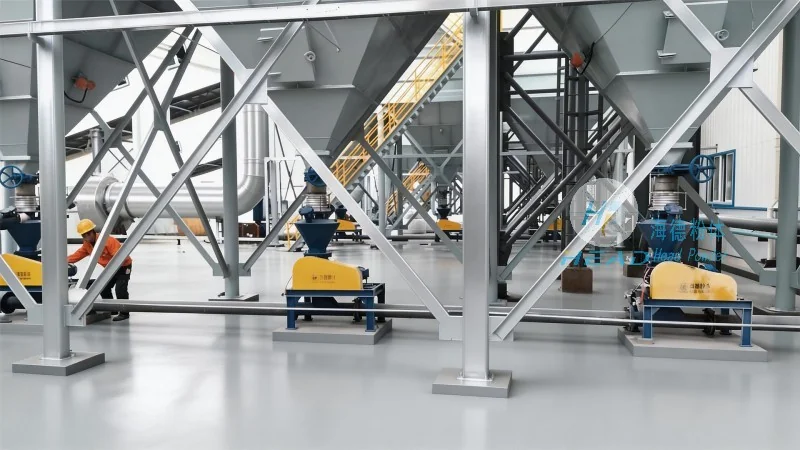
The design of a colored sand powder conveying line is built around several critical components that work in harmony to achieve efficient material transport. The primary components include material hoppers, which serve as storage vessels for the colored sand, equipped with level sensors to monitor the material volume. Below the hoppers are feeders, such as rotary valves or screw feeders, which regulate the flow of powder into the conveying system. The conveying mechanism itself can be either pneumatic (using air pressure) or mechanical (using belts or screws), depending on the specific requirements of the application.
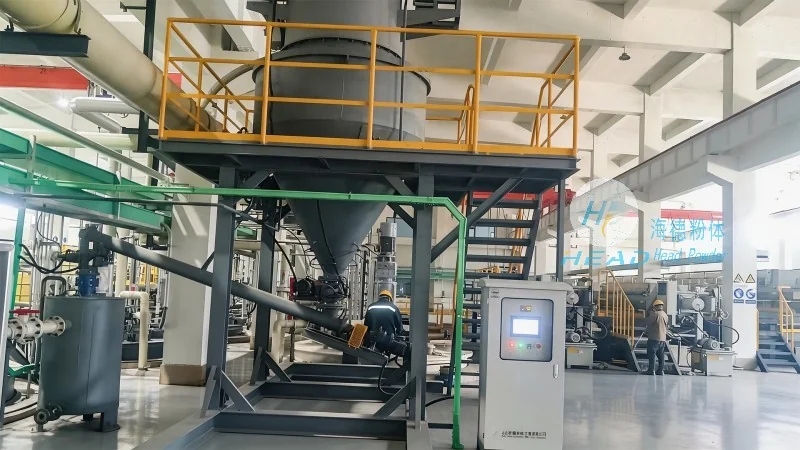
For pneumatic conveying systems, the design incorporates airlocks, filters, and dust collection units to ensure that the process remains dust-free and compliant with environmental regulations. The control panel, typically equipped with programmable logic controllers (PLCs), allows operators to monitor and adjust the conveying parameters in real-time. This includes settings for air pressure, flow rate, and material feed rate, ensuring optimal performance and preventing system overload or blockages.
Design Principles for Efficient Material Handling
Efficient design of colored sand powder conveying lines is guided by several key principles aimed at maximizing performance, minimizing downtime, and ensuring safety. One of the most critical principles is the use of sealed and airtight components to prevent dust leakage and maintain a clean working environment. Colored sand powders are often fine and can cause respiratory issues or environmental contamination if not properly contained. Therefore, the design incorporates features like double-seal airlocks and enclosed conveyor sections to contain the material throughout the process.
Another important principle is the consideration of material properties. Colored sand powders can vary in particle size, density, and moisture content, which affects their flow characteristics. The design must account for these variations by selecting appropriate feeder types and conveyor speeds. For example, finer powders may require slower conveying speeds to prevent clogging, while coarser powders can handle higher speeds. The system also incorporates features like vibration devices or agitators to prevent material bridging or caking in the hoppers and feeders.
Automation and control are also central to the design principles. Modern conveying lines are equipped with advanced sensors and control systems that enable automated operation, reducing the need for manual intervention and minimizing human error. This includes automatic start-up and shut-down sequences, overload protection, and alarm systems that notify operators of any issues such as blockages or low material levels. The integration of these features enhances the overall reliability and efficiency of the system.
Application Scenarios and Operational Advantages
Colored sand powder conveying lines are widely used in various industrial applications where colored sand is a key component. In the construction industry, they are used to transport colored sand for concrete and mortar production, adding aesthetic appeal and functional properties to building materials. In the glass manufacturing sector, these systems are essential for feeding colored sand into glass melting furnaces, where the sand is used to create colored glass products. Additionally, they are used in decorative materials production, such as for creating colored tiles, paints, and coatings.
The operational advantages of using a well-designed colored sand powder conveying line are significant. Firstly, they improve material handling efficiency by reducing manual labor and increasing throughput. The automated control systems allow for consistent material flow, ensuring that production lines receive a steady supply of colored sand without interruptions. Secondly, they enhance safety by minimizing dust exposure and preventing accidents associated with manual handling of powders. The sealed design of the system also helps in maintaining a clean and healthy working environment, which is crucial for compliance with occupational health and safety regulations.
Furthermore, the design of these conveying lines contributes to cost savings by reducing material waste and improving energy efficiency. By optimizing the conveying parameters, the system minimizes energy consumption while ensuring efficient material transport. The use of durable materials and components also reduces maintenance costs over the long term, as the system is built to withstand the abrasive nature of colored sand powders.
Conclusion and Company Overview
Colored sand powder conveying lines are sophisticated industrial systems that play a vital role in the efficient and safe handling of colored sand powders. Their design, incorporating principles of sealed operation, material adaptability, and automation, ensures high performance and reliability. HeadPowder Engineering Co., Ltd., based in Shandong, China, is a trusted provider of such systems, offering customized solutions that meet the diverse needs of industrial clients. By focusing on quality, innovation, and customer satisfaction, HeadPowder continues to be a leader in the field of colored sand powder conveying technology.