

What is a Soil Powder Conveying Line? And What Are Its Design Principles?
Soil powder conveying lines are specialized systems engineered to transport soil and other fine particulate materials efficiently and safely. These systems are crucial in various industries, including construction, mining, and environmental remediation, where the handling of loose, powdery soil is a common requirement. Understanding the design principles behind such lines is essential for optimizing performance, ensuring operational safety, and meeting regulatory standards.
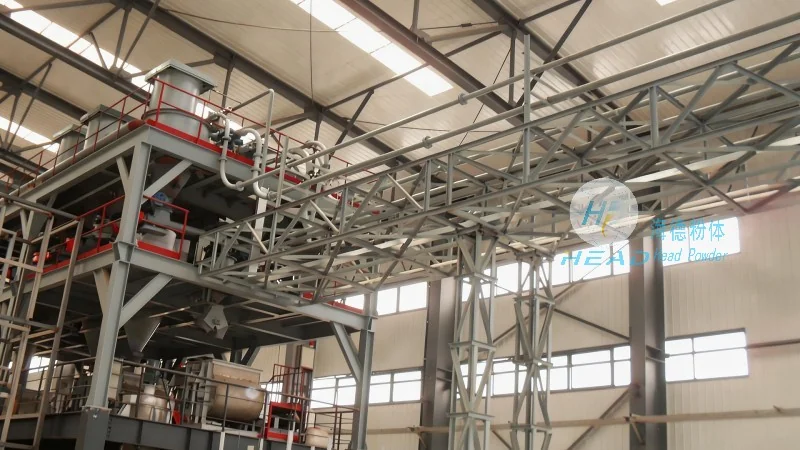
About the Company: Shandong HeadPowder Engineering Co., Ltd.
Shandong HeadPowder Engineering Co., Ltd., commonly known as HeadPowder, is a leading manufacturer and supplier of advanced material handling solutions. With a strong presence in China, particularly in Shandong province, the company specializes in developing customized conveying systems tailored to the unique needs of its clients. HeadPowder's expertise lies in integrating cutting-edge technology with practical engineering to deliver reliable and efficient soil powder conveying lines that meet the highest industry standards.
What is a Soil Powder Conveying Line?
A soil powder conveying line is a comprehensive system designed to transport soil and other fine powders from a source to a destination. This system typically includes components such as feeders, conveyors (e.g., pneumatic or mechanical), control systems, and dust collection units. The primary goal is to move loose, dry soil or other particulate materials without causing excessive dust or degradation of the material. These lines are essential in applications where traditional bulk handling methods are insufficient or impractical.
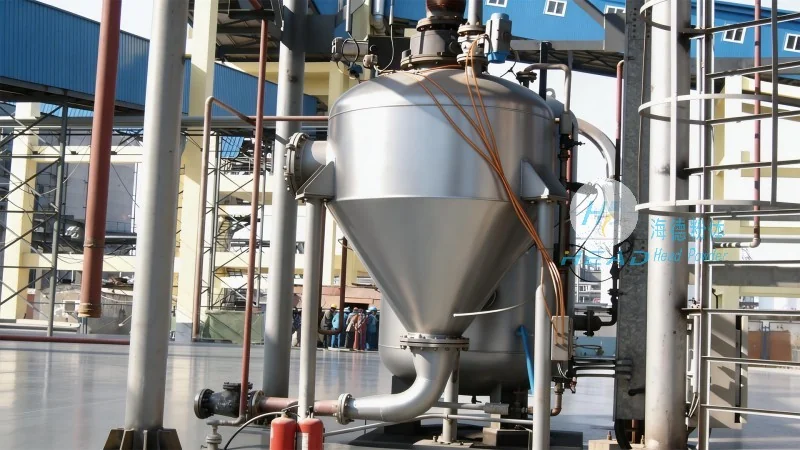
Key Components of a Soil Powder Conveying Line
The effectiveness of a soil powder conveying line depends on the integration of several critical components. The first component is the feeder, which uniformly feeds the soil into the conveying system. Common types include rotary feeders, screw feeders, or pneumatic feeders, each chosen based on the material's characteristics and the required flow rate. The conveyor itself is the core of the system, responsible for transporting the material. Pneumatic conveying systems use compressed air to move the powder through a pipeline, while mechanical conveyors (like belt or screw conveyors) rely on mechanical force. Control systems are vital for monitoring and regulating the flow, ensuring consistent performance and preventing overloading or blockages. Finally, dust collection units are integrated to capture and filter any airborne particles, maintaining a clean and safe working environment.
Design Principles for Soil Powder Conveying Lines
The design of a soil powder conveying line follows several fundamental principles aimed at optimizing performance and safety. One of the primary principles is maintaining a consistent flow rate to prevent material buildup or blockages in the pipeline. This is achieved through careful selection of feeder and conveyor components that match the material's properties, such as particle size, moisture content, and bulk density. Another key principle is the prevention of dust generation and dispersion. This is accomplished by using sealed systems, proper sealing of connections, and integrating dust collection equipment. The design also considers the material's behavior under pressure and flow, ensuring that the system can handle variations in feed rate and material characteristics without compromising efficiency. Additionally, the system must comply with safety and environmental regulations, which may include requirements for explosion-proof components in hazardous environments or strict emission controls.
Applications of Soil Powder Conveying Lines
Soil powder conveying lines are widely used in various industries where the handling of fine particulate materials is necessary. In construction, these systems are employed for transporting soil from excavation sites to disposal or reuse locations, ensuring efficient site management and material utilization. In mining operations, they are used to move tailings or other fine ore particles from processing plants to storage or disposal areas. Environmental remediation projects also rely on these lines to transport contaminated soil for treatment or disposal, helping to maintain site safety and compliance with environmental standards. The versatility of soil powder conveying lines makes them suitable for a range of applications where traditional methods are less effective or more costly.
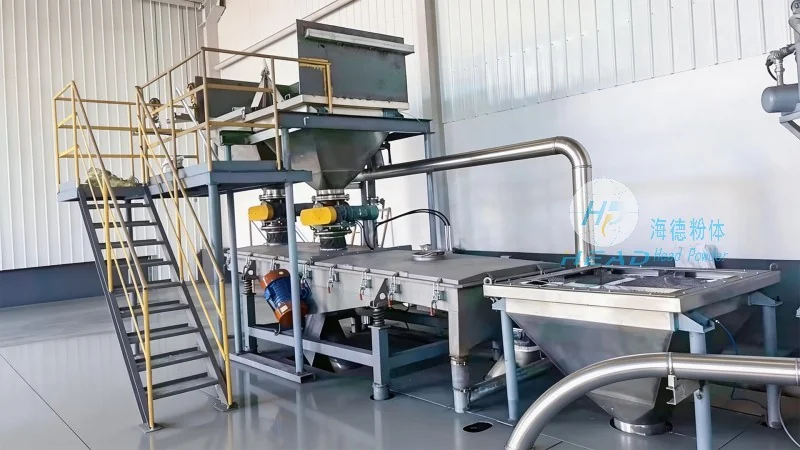
Advantages of Using Soil Powder Conveying Lines
Implementing a soil powder conveying line offers several advantages over traditional bulk handling methods. One of the main benefits is the reduction in labor costs and time, as automated systems can handle large volumes of material with minimal human intervention. The systems also improve safety by minimizing the need for manual handling of loose soil, reducing the risk of dust exposure and accidents. Additionally, soil powder conveying lines are more efficient in terms of material utilization, as they can transport materials with less loss or degradation compared to manual or bucket-based methods. The ability to integrate dust collection and control systems further enhances environmental compliance and worker safety. Overall, these systems provide a reliable, cost-effective solution for handling soil and other fine powders in various industrial applications.
Conclusion
Soil powder conveying lines are sophisticated systems designed to efficiently transport soil and other fine particulate materials. The design principles behind these systems focus on optimizing flow, preventing dust generation, and ensuring operational safety. Companies like Shandong HeadPowder Engineering Co., Ltd. play a crucial role in developing and supplying these advanced systems, catering to the diverse needs of industries such as construction, mining, and environmental remediation. By understanding the key components and design principles, businesses can select and implement effective soil powder conveying lines that enhance productivity, improve safety, and meet regulatory requirements.