

Electric Slag Powder Conveying Line: What It Is and Its Design Principles
Electric slag powder, a fine byproduct of the calcium carbide production process, necessitates efficient handling and transportation. The electric slag powder conveying line is a specialized system engineered to manage this material safely and effectively. This article explores the concept of such a line and explains the underlying design principles that enable its functionality.
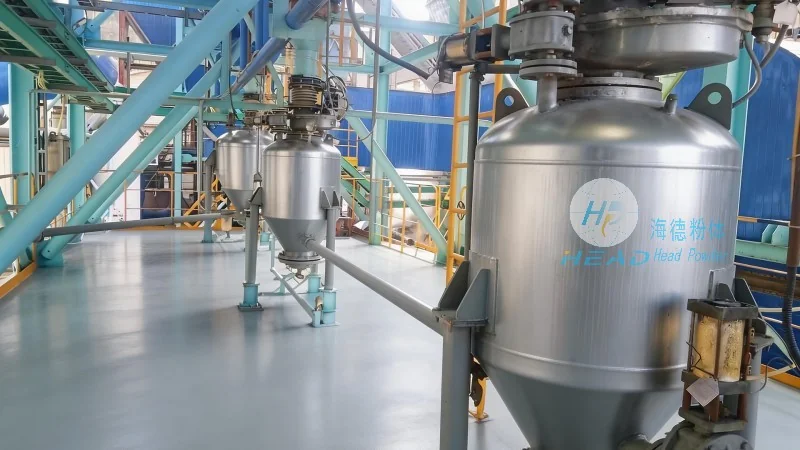
Understanding the Electric Slag Powder Conveying Line
The electric slag powder conveying line is a comprehensive system designed to transport electric slag powder from its source to processing or storage facilities. It typically comprises several key components, including feeders, conveyors, dust collection systems, and control mechanisms. The primary objective of this line is to ensure the material is moved with minimal loss, reduced dust emissions, and optimal operational efficiency. The system is tailored to handle the unique properties of electric slag powder, such as its fine particle size and propensity for dust generation during handling.
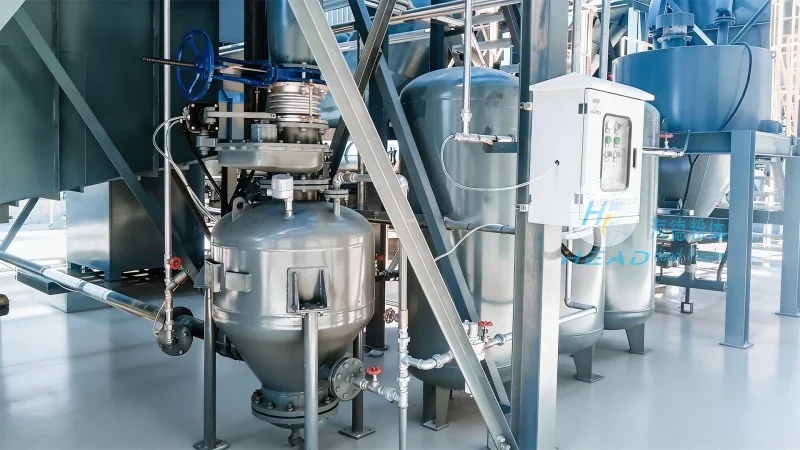
Key Design Principles for the Conveying Line
The design of an electric slag powder conveying line is guided by several critical principles to ensure safety, efficiency, and reliability. First, the system must address the material's dustiness and potential health hazards. This is achieved through integrated dust collection and filtration systems that capture particles during transport and processing. Second, the conveying method must be selected based on the material's characteristics and the distance it needs to travel. Common methods include pneumatic conveying (using air to move the powder) and mechanical conveying (using belts or screws). The choice depends on factors like the material's flowability, moisture content, and required conveying capacity. Third, the line is designed for easy maintenance and operation. Modular components allow for quick repairs and adjustments, minimizing downtime. Additionally, the system incorporates safety features, such as emergency shut-off valves and pressure relief devices, to prevent accidents and protect personnel.
Components and Their Roles in the Conveying Process
Each component of the electric slag powder conveying line plays a vital role in the overall operation. The feeders, often screw or vibratory feeders, are responsible for uniformly feeding the powder into the conveying system. They ensure a consistent flow rate, which is crucial for maintaining the efficiency of the entire line. The conveyors, which can be pneumatic or mechanical, transport the powder from the feeder to the next stage. Pneumatic conveyors use compressed air to push the powder through pipes, while mechanical conveyors rely on belts or screws to move the material. The dust collection system, typically a baghouse or cartridge filter, captures any airborne particles, preventing contamination and ensuring compliance with environmental regulations. Finally, the control panel manages the entire operation, allowing operators to monitor flow rates, pressure, and other critical parameters in real-time. This enables immediate adjustments to maintain optimal performance.
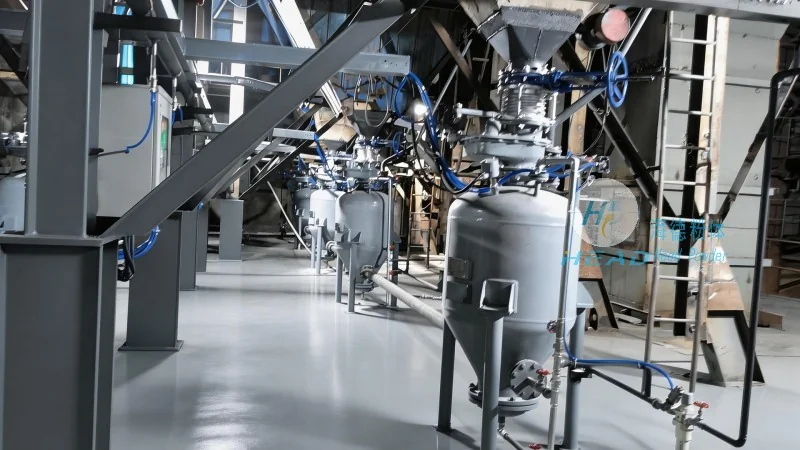
Applications and Benefits of the Conveying Line
The electric slag powder conveying line is widely utilized in industrial settings where electric slag powder is a byproduct. Its primary applications include transporting the powder to storage silos, processing facilities, or for use in other industrial processes. The benefits of using such a line are significant. By reducing dust emissions, it enhances workplace safety and environmental compliance. The efficient transport of the material minimizes material loss and waste, leading to cost savings. Additionally, the system's modular design allows for scalability, enabling it to adapt to changing production needs. The consistent flow and reduced downtime also contribute to increased productivity and operational reliability.