

Working Principle and Features of Lightweight Aggregate Pneumatic Conveying Lines
Lightweight aggregate pneumatic conveying lines are essential equipment in modern material handling systems, particularly for the efficient transportation of lightweight aggregates such as expanded clay, perlite, and vermiculite. These systems utilize air as the primary medium to move bulk materials, offering significant advantages over traditional mechanical conveying methods. Understanding the working principle and key features of these lines is crucial for industries like construction, insulation, and industrial manufacturing that rely on consistent and reliable material transport.
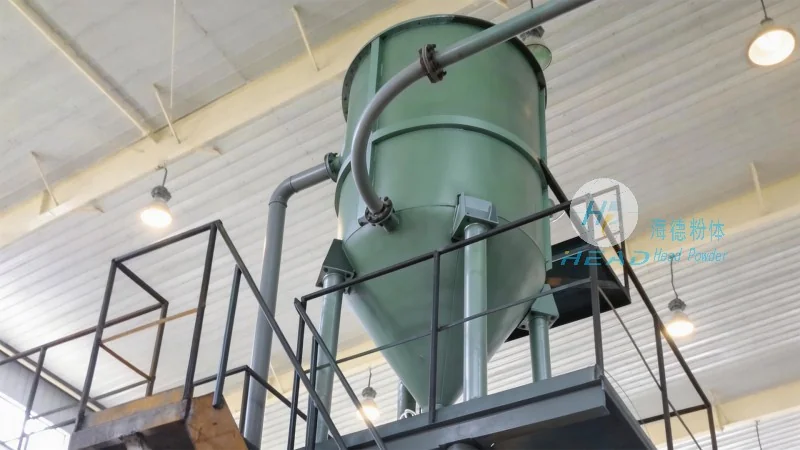
Working Principle of Lightweight Aggregate Pneumatic Conveying Lines
The core mechanism of a lightweight aggregate pneumatic conveying line involves the use of a blower or compressor to generate airflow within a closed pipeline system. The process typically begins with the material being fed into a hopper or feeder, where it is then introduced into the pipeline. As the air flows through the system, it lifts and propels the lightweight aggregate particles through the pipeline to the destination point, such as a storage silo or processing unit. The system may include components like cyclone separators, filters, and pressure vessels to manage the air and material mixture, ensuring efficient separation and collection of the conveyed material. The design of the pipeline, including the use of bends, elbows, and expansion joints, is critical to maintaining consistent airflow and preventing material buildup or blockages.
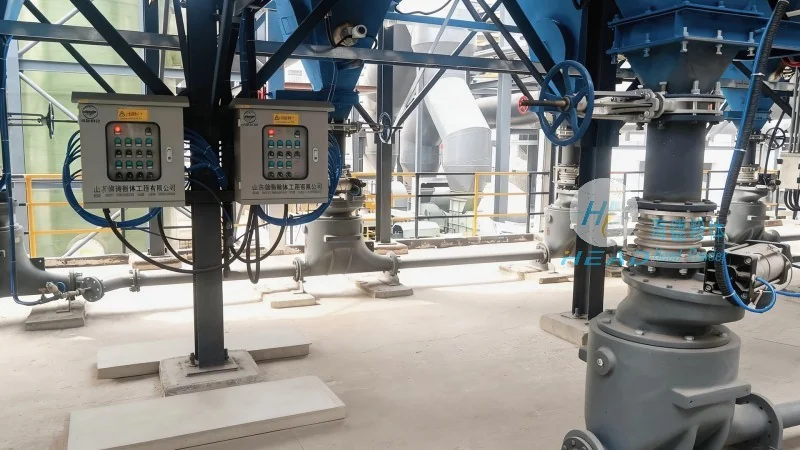
Key Features of Lightweight Aggregate Pneumatic Conveying Lines
Lightweight aggregate pneumatic conveying lines offer several distinct features that make them ideal for handling lightweight materials. Firstly, they provide a dust-free and enclosed conveying environment, which is essential for maintaining material quality and ensuring a safe working environment. The system's ability to handle fine or irregularly shaped particles without clogging is another significant advantage, as lightweight aggregates often have low bulk density and can be prone to settling or bridging in traditional conveyors. Additionally, the flexibility of pneumatic systems allows for easy integration with existing production lines and the ability to transport materials over long distances or vertical elevations with minimal energy consumption. The use of advanced control systems enables precise regulation of airflow and material flow rates, ensuring consistent performance and reducing operational downtime. Furthermore, the system's compact design and low maintenance requirements make it a cost-effective solution for industries that require reliable material handling solutions.
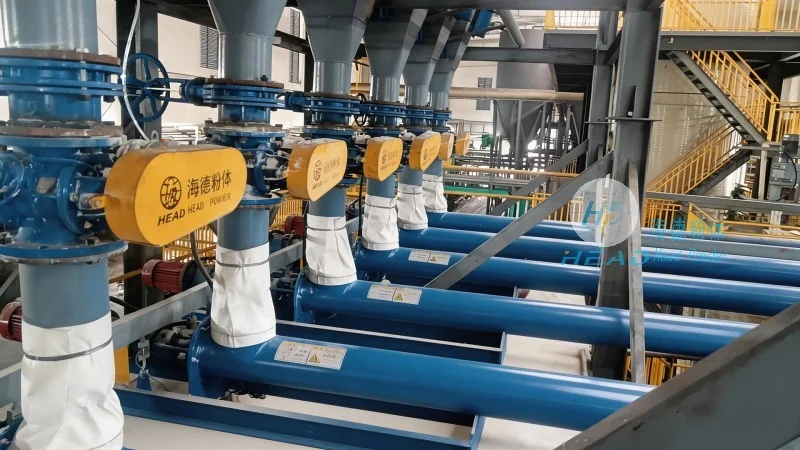
About Shandong HeadPowder Engineering Co., Ltd.
Shandong HeadPowder Engineering Co., Ltd., commonly known as HeadPowder, is a leading manufacturer and supplier of advanced material handling equipment, including lightweight aggregate pneumatic conveying lines. With a strong focus on innovation and quality, HeadPowder has established itself as a trusted partner for industries worldwide. The company is headquartered in Shandong, China, and its state-of-the-art manufacturing facilities and technical expertise enable it to deliver high-performance, customized solutions tailored to the specific needs of each client. HeadPowder's commitment to customer satisfaction and product excellence has earned it a reputation for reliability and durability in the material handling industry.
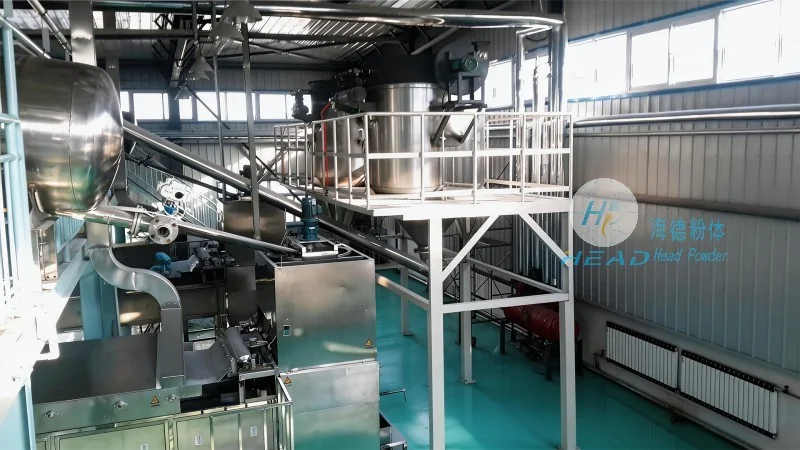
Applications and Benefits in Material Handling
Lightweight aggregate pneumatic conveying lines are widely used in various applications across different industries. In the construction sector, they are essential for transporting lightweight aggregates used in insulation materials, lightweight concrete, and other building products. The ability to handle these materials efficiently and without contamination is critical for maintaining product quality and meeting industry standards. In the industrial manufacturing sector, these systems are used to transport raw materials to processing units or to transport finished products to storage areas. The benefits of using pneumatic conveying systems, such as reduced labor costs, improved safety, and increased production efficiency, make them a preferred choice for many companies. Additionally, the environmental benefits of enclosed systems, which minimize dust emissions and improve air quality, align with the growing emphasis on sustainable practices in modern industry.