

Working Principle and Features of Tri-metal Material Pneumatic Conveying Lines
Tri-metal material pneumatic conveying lines are essential equipment in the production and processing of lithium battery materials, particularly for handling the fine powders used in ternary lithium battery cathode materials. These systems are designed to efficiently transport tri-metal powders, such as those containing nickel, cobalt, and manganese, from one processing stage to another with precision and reliability. Manufactured by Shandong HeadPowder Engineering Co., Ltd., a leading provider of specialized equipment for the lithium battery material industry, these lines are engineered to meet the stringent requirements of modern battery manufacturing processes.
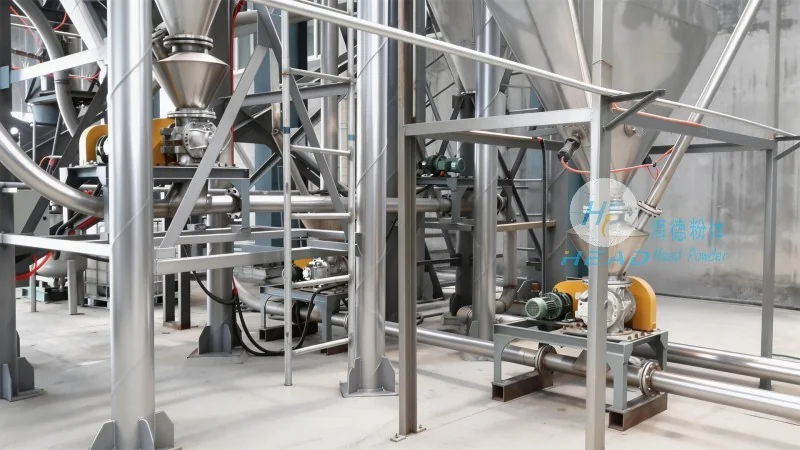
Working Principle of Tri-metal Material Pneumatic Conveying Lines
The core working principle of tri-metal material pneumatic conveying lines involves the use of air or gas to transport powders through a closed pipeline system. This method, known as pneumatic conveying, relies on the generation of a pressure differential to move the material. Typically, the system operates by creating a negative pressure (suction) or positive pressure (blowing) within the pipeline, which draws or pushes the tri-metal powder particles along the conveying line. The process begins with the material being fed into a hopper or feeder, where it is then introduced into the pipeline. A fan or blower provides the necessary airflow to maintain the conveying velocity, ensuring that the powder particles remain suspended and move efficiently to the destination point.
Key components of the pneumatic conveying system include the feeder, hopper, pipeline, and receiver. The feeder controls the flow rate of the tri-metal powder, while the hopper stores the material before it is conveyed. The pipeline, often made of stainless steel to prevent corrosion from the metal powders, transports the material. The receiver collects the conveyed powder at the end of the line. The system may also incorporate features like cyclones or filters to separate any fine particles that might escape the main flow, ensuring minimal loss and maintaining product purity.
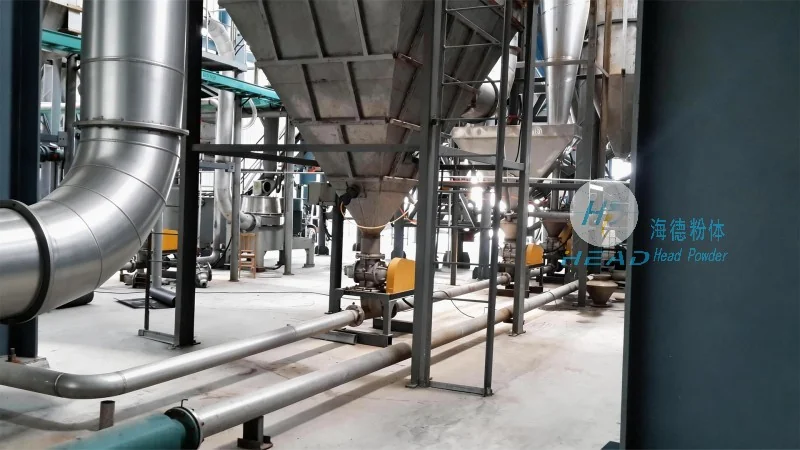
Key Features of Tri-metal Material Pneumatic Conveying Lines
Tri-metal material pneumatic conveying lines offer several advantages that make them ideal for handling sensitive and high-value lithium battery materials. One of the primary features is their ability to maintain a closed system, which minimizes exposure to air and moisture, thus preserving the quality and stability of the tri-metal powders. This is crucial for preventing oxidation or degradation of the materials, which could affect battery performance.
Another significant feature is the system's flexibility in handling different powder characteristics. Tri-metal powders can vary in particle size, density, and flowability, and the pneumatic conveying line is designed to accommodate these variations. The adjustable airflow and pressure settings allow operators to optimize the conveying process for specific material types, ensuring consistent and reliable transport.
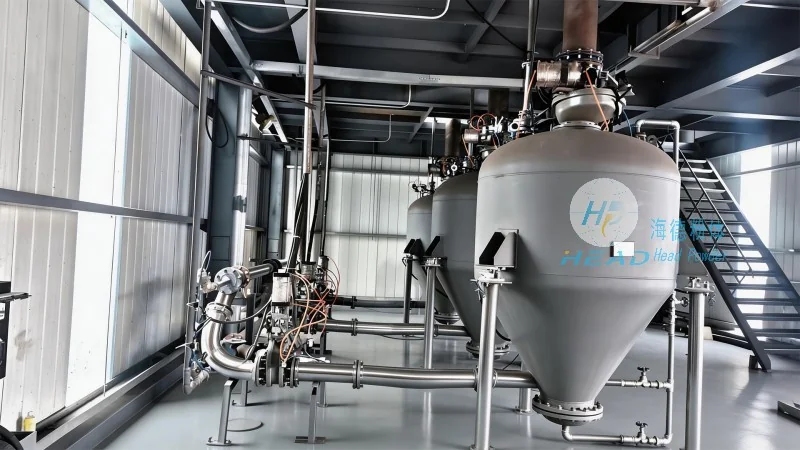
Efficiency and energy savings are also notable features. Compared to traditional mechanical conveying methods, pneumatic systems can reduce energy consumption and operational costs while achieving higher throughput. The closed-loop design minimizes material waste and contamination, contributing to overall process efficiency and product quality.
Furthermore, tri-metal material pneumatic conveying lines are equipped with advanced control systems that enable precise monitoring and adjustment of the conveying parameters. These systems can automatically regulate airflow, pressure, and feed rates, ensuring stable operation and preventing issues such as blockages or material degradation. The integration of sensors and feedback mechanisms allows for real-time adjustments, enhancing the system's reliability and performance.
Applications and Benefits in the Lithium Battery Industry
Tri-metal material pneumatic conveying lines are widely used in the lithium battery manufacturing process, particularly in the production of ternary lithium battery cathodes. The systems are employed to transport tri-metal powders from raw material storage to mixing, coating, and other processing stages. The ability to handle fine powders with high precision is critical in these applications, as even small variations in powder composition can impact battery performance and lifespan.
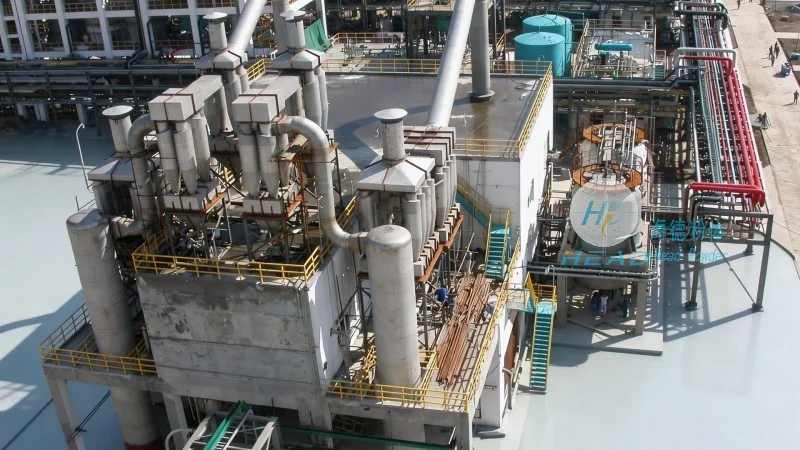
The benefits of using these conveying lines extend beyond material handling. They contribute to a cleaner and more controlled production environment, reducing dust emissions and improving workplace safety. The closed system design also helps in maintaining compliance with environmental regulations and quality standards, which are increasingly important in the battery industry.
In summary, tri-metal material pneumatic conveying lines are sophisticated systems that combine advanced engineering with practical application to meet the demanding requirements of lithium battery production. By understanding their working principle and key features, manufacturers can optimize their processes, enhance product quality, and improve overall operational efficiency.