

Working Principle and Features of PVC Resin Powder Pneumatic Conveying Line
For industrial applications requiring efficient and reliable transport of PVC resin powders, pneumatic conveying systems offer a sophisticated solution. These systems are integral to processes in the plastic manufacturing sector, ensuring seamless material handling from storage to processing units. This article explores the working principle and key features of PVC resin powder pneumatic conveying lines, highlighting their operational efficiency and technological advancements.
Introduction to PVC Resin Powder Pneumatic Conveying Systems
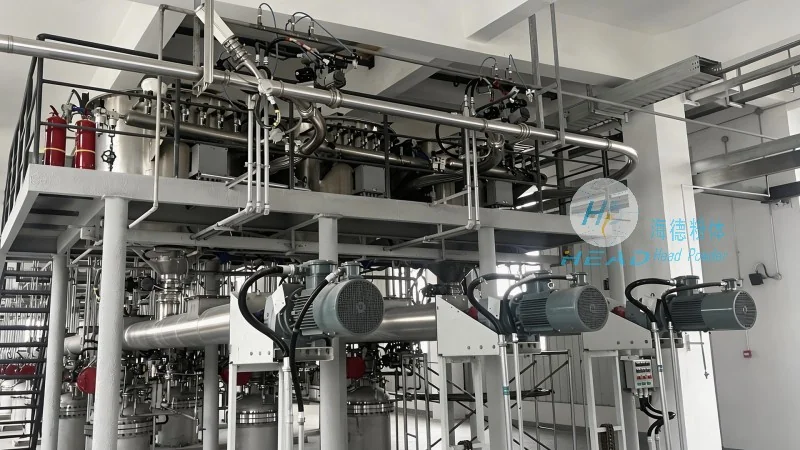
PVC resin powder pneumatic conveying lines are specialized equipment designed to transport dry plastic powders, such as polyvinyl chloride (PVC), through a pressurized or vacuum system. The primary goal is to replace traditional bulk material handling methods like belt conveyors or bucket elevators, which often suffer from material degradation, contamination, or operational inefficiencies. By utilizing air as the conveying medium, these systems provide a clean, dust-free, and energy-efficient alternative that aligns with modern industrial standards.
Working Principle of PVC Resin Powder Pneumatic Conveying Lines
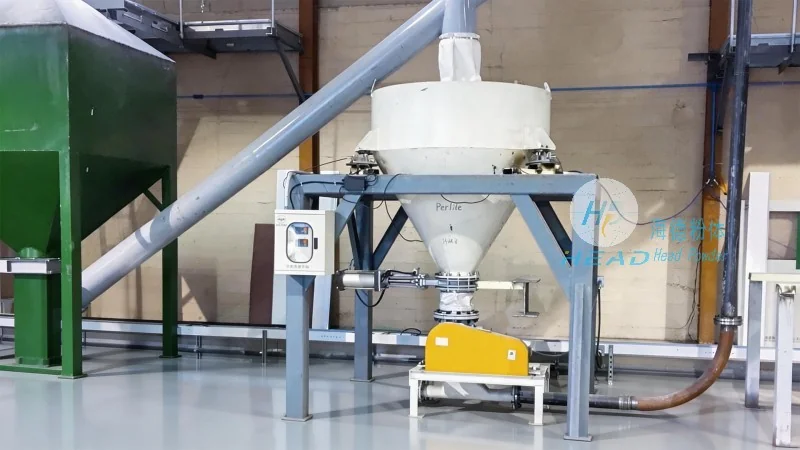
The operation of a PVC resin powder pneumatic conveying line is based on the fundamental principle of transporting solid particles using a gas stream. The system typically consists of several key components: a hopper for material storage, a feeder to control the flow rate, a conveying pipe network, a blower or vacuum pump to generate the air flow, and a receiver for the delivered material. The process begins when the PVC resin powder is fed into the hopper. The feeder then meters the powder into the conveying line, where it is mixed with the air stream generated by the blower. This air-powder mixture travels through the pipe network under pressure or suction, depending on the system design. The material is then separated from the air in the receiver, and the air is either filtered and recirculated or vented to the atmosphere. The entire process is controlled by a programmable logic controller (PLC) or similar automation system, ensuring precise and consistent operation.
Key Features and Advantages of PVC Resin Powder Pneumatic Conveying Lines
Several distinct features make PVC resin powder pneumatic conveying lines superior to conventional handling methods. Firstly, they offer a dust-free and hygienic environment, which is critical for maintaining product quality and compliance with industry regulations. The enclosed system prevents contamination from external sources, ensuring that the PVC resin remains pure and free from moisture or debris. Secondly, these systems provide high efficiency in terms of material throughput, with the ability to handle large volumes of powder at a consistent rate. This enhances production line speed and reduces downtime. Thirdly, pneumatic conveying systems are energy-efficient compared to mechanical conveyors, as they utilize air pressure or vacuum to move materials, minimizing energy consumption and operational costs. Additionally, the flexibility of the system allows for easy integration with existing production lines, with the ability to reconfigure the pipe network to accommodate changes in production requirements. The system also offers low maintenance requirements, as there are fewer moving parts compared to traditional conveyors, reducing the risk of mechanical failure and maintenance costs.
Application and Industry Relevance
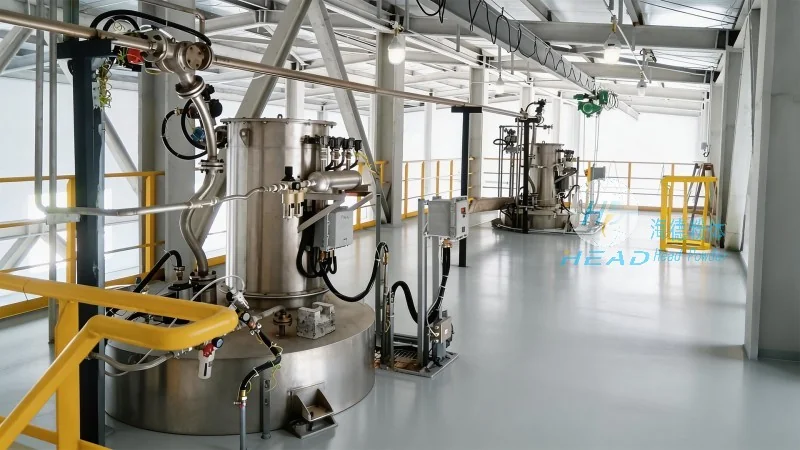
PVC resin powder pneumatic conveying lines are widely used in the plastic manufacturing industry, particularly in the production of PVC pipes, profiles, and sheets. These systems are essential for transporting raw PVC resin from storage silos to processing machines, ensuring a continuous and uninterrupted supply of material. The efficiency and reliability of the system directly impact the overall productivity and quality of the final products. By maintaining consistent material flow and preventing degradation, the pneumatic conveying line contributes to higher product yields and reduced waste. The technology is also applicable in other industries that handle fine powders, such as pharmaceuticals and food processing, where hygiene and purity are paramount.
Conclusion
In conclusion, PVC resin powder pneumatic conveying lines represent a cutting-edge solution for the efficient and reliable handling of PVC resin powders. Their working principle, based on air-based transport, offers significant advantages over traditional mechanical conveyors, including dust-free operation, high efficiency, and energy savings. The key features of these systems, such as flexibility, low maintenance, and hygienic design, make them a preferred choice for modern industrial applications. As the demand for high-quality PVC products continues to grow, the importance of reliable material handling systems like pneumatic conveying lines will only increase. Companies like Shandong HeadPowder Engineering Co., Ltd., based in China, specialize in designing and manufacturing such advanced conveying systems, providing tailored solutions to meet the specific needs of their clients in the plastic and related industries.