

[Biological Enzyme Material Handling System Equipment: Understanding Its Function and Design Princip
Biological enzyme material handling systems represent a sophisticated technological solution designed to facilitate the efficient transport and processing of materials within industrial and laboratory settings. These systems are particularly crucial in applications where the handling of sensitive substances, such as those requiring enzymatic activity or biological compatibility, is essential. The core of such systems lies in their ability to integrate mechanical components with biological or enzymatic processes, ensuring that materials are moved with precision and minimal risk of degradation or contamination. Developed and manufactured by Shandong HeadPowder Engineering Co., Ltd., a leading provider of specialized engineering solutions for material handling in biological and industrial applications, these systems are engineered to meet the highest standards of efficiency and safety.
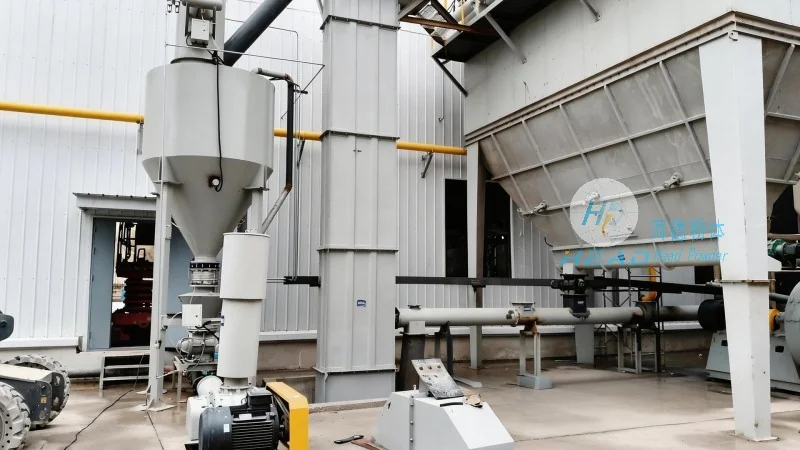
Overview of Biological Enzyme Material Handling Systems
At the heart of these systems is a combination of specialized equipment engineered to handle materials that may be reactive, temperature-sensitive, or require controlled environmental conditions. The primary function of a biological enzyme material handling system is to transport these materials from one processing stage to another while preserving their integrity and functionality. This is achieved through the integration of pumps, conveyors, and other mechanical components that are often modified or supplemented with biological elements, such as enzyme-coated surfaces or biodegradable materials, to enhance compatibility with the handled substances.
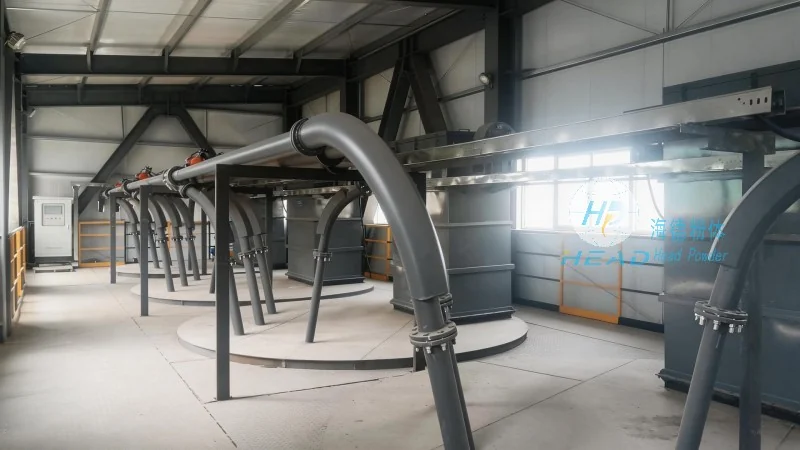
Key Components and Their Roles
The design of a biological enzyme material handling system typically involves several key components, each playing a critical role in the overall operation. These components include: (1) Enzyme-activated pumps, which use biological catalysts to facilitate the movement of fluids or semi-fluid materials without the need for harsh chemicals or high pressures; (2) Conveyor systems equipped with biocompatible materials, such as stainless steel or specialized polymers, that minimize interaction with the handled substances and prevent contamination; (3) Control units that monitor and regulate parameters like temperature, pH, and flow rate, ensuring optimal conditions for both the material and the enzymatic processes involved; and (4) Storage containers or tanks designed to maintain the stability of the materials during transport and processing.
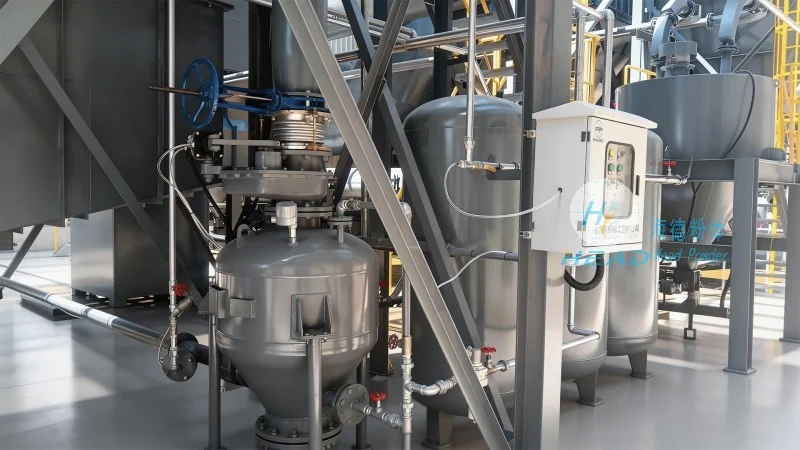
Design Principles Underpinning the Systems
The design principles of biological enzyme material handling systems are guided by several key objectives, including efficiency, safety, and sustainability. Efficiency is achieved through the optimization of mechanical components to minimize energy consumption while maximizing material throughput. Safety is ensured by incorporating features that prevent leaks, spills, or cross-contamination, which is critical when handling biological or enzymatic materials. Sustainability is addressed through the use of biodegradable materials and energy-efficient designs that reduce the environmental impact of the system.
Application Scenarios and Benefits
Biological enzyme material handling systems find applications in various industries, including pharmaceuticals, biotechnology, food processing, and environmental remediation. In pharmaceutical manufacturing, for example, these systems are used to transport enzymes or other biological agents during the production of drugs, ensuring that the materials remain active and pure. In the food industry, they may be employed to handle enzymes used in fermentation or food processing, maintaining the quality and safety of the final products. The benefits of these systems include improved process control, reduced downtime, enhanced product quality, and lower operational costs due to their energy efficiency and minimal maintenance requirements.
Conclusion
Biological enzyme material handling systems represent a significant advancement in material transport technology, combining mechanical engineering with biological sciences to create a solution that is both effective and environmentally friendly. By understanding the design principles and components of these systems, industries can leverage their capabilities to enhance productivity, ensure product quality, and meet the evolving demands of modern manufacturing and processing. As technology continues to evolve, these systems are likely to become even more integral to the handling of sensitive materials, driving further innovation in industrial and laboratory applications.