

What is a PVC Material Handling System? What are its Design Principles?
When it comes to industrial material handling, PVC material handling systems represent a crucial component in many manufacturing and processing environments. These systems are engineered to efficiently transport and manage PVC-based materials, ensuring smooth operations from raw material intake to finished product delivery. Understanding the core components and design principles behind such systems is essential for businesses seeking to optimize their production workflows and enhance operational efficiency.
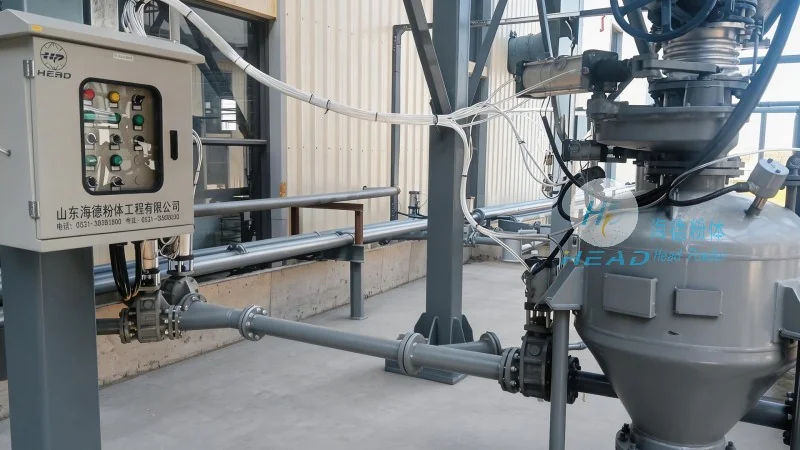
Key Components of a PVC Material Handling System
A typical PVC material handling system comprises several interconnected components that work in harmony to achieve seamless material movement. These components include conveyors, hoppers, feeders, and control systems, each playing a vital role in the overall functionality of the system. Conveyors, often in the form of belt or screw conveyors, are responsible for transporting PVC materials over horizontal or inclined paths. Hoppers and feeders ensure that materials are properly fed into the conveyor system, preventing blockages and maintaining consistent flow rates. Control systems, equipped with sensors and automation technology, monitor the entire process, adjusting parameters as needed to maintain optimal performance.
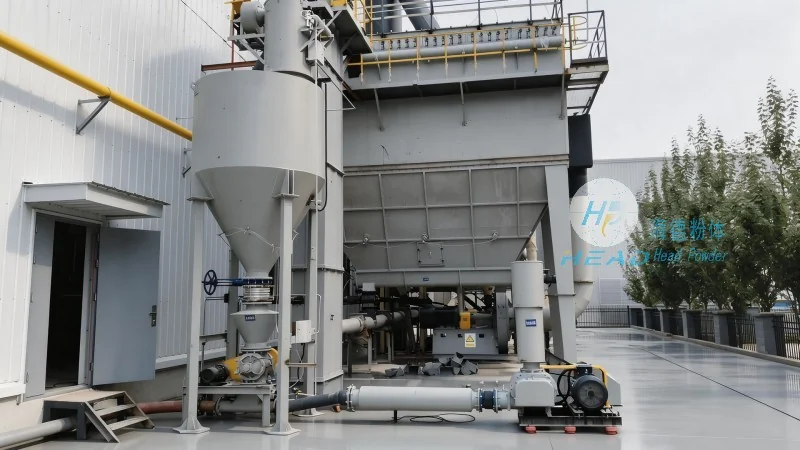
Design Principles for PVC Material Handling Systems
The design of a PVC material handling system is guided by several key principles aimed at maximizing efficiency, safety, and durability. First, material compatibility is a critical consideration, as PVC materials may have specific handling requirements due to their chemical and physical properties. Engineers must select components that are resistant to PVC's potential corrosive or abrasive effects, ensuring long-term reliability. Second, the system's design must prioritize flow optimization to minimize material degradation and prevent clogging. This involves careful consideration of conveyor speeds, incline angles, and material feeding rates. Third, safety is paramount, with design features such as emergency stop mechanisms, protective enclosures, and compliance with industry standards (e.g., OSHA regulations) integrated into the system. Additionally, the design should allow for easy maintenance and cleaning, as PVC materials can sometimes adhere to surfaces, requiring regular upkeep to maintain system efficiency.
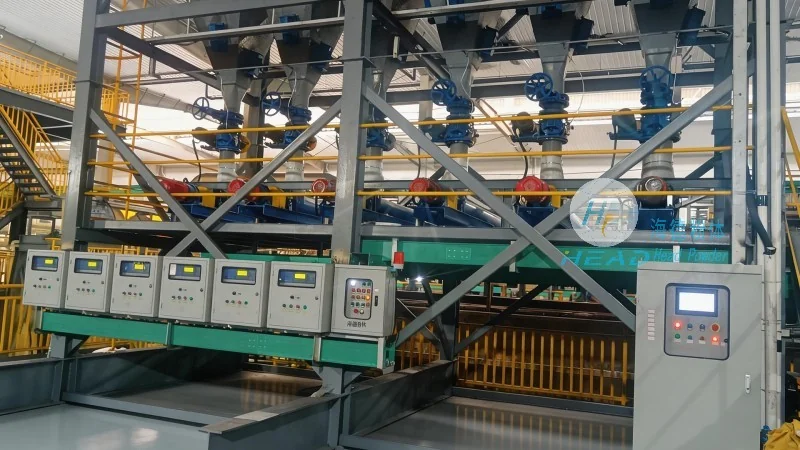
Applications of PVC Material Handling Systems
PVC material handling systems find widespread application across various industries, including construction, automotive, and packaging. In the construction sector, these systems are used to transport PVC pipes and fittings, facilitating efficient assembly and installation on building sites. The automotive industry relies on PVC material handling systems for processing PVC components in vehicle manufacturing, such as interior trim and exterior parts. The packaging industry also benefits from these systems when handling PVC films and sheets for packaging applications. In each of these applications, the system's design is tailored to meet the specific demands of the material and the production process, ensuring consistent and reliable performance.
Advantages of Using a PVC Material Handling System
Implementing a PVC material handling system offers numerous advantages for businesses. One of the primary benefits is improved operational efficiency, as these systems can handle large volumes of PVC materials with minimal human intervention. This reduces labor costs and increases production throughput. Additionally, the systems enhance safety by automating material handling tasks, minimizing the risk of workplace accidents. The design of these systems also contributes to product quality, as consistent material flow prevents damage or contamination that could affect the final product. Furthermore, the modular nature of many PVC material handling systems allows for easy expansion or reconfiguration as production needs evolve, providing long-term value and adaptability.
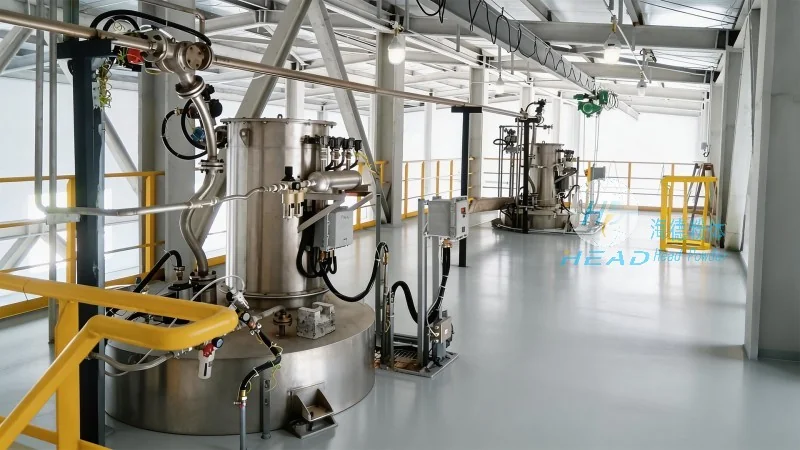
Conclusion and Company Overview
PVC material handling systems are sophisticated solutions designed to streamline material transport and processing in industrial settings. By adhering to key design principles and incorporating robust components, these systems ensure reliable performance and contribute to overall operational excellence. For businesses seeking to enhance their material handling capabilities, partnering with a reputable engineering company like Shandong HeadPowder Engineering Co., Ltd. can provide the expertise and tailored solutions needed to achieve optimal results. With a focus on quality and customer satisfaction, HeadPowder specializes in designing and manufacturing PVC material handling systems that meet the unique requirements of various industries, helping companies improve efficiency, reduce costs, and maintain high product standards.