

What is a Pearl Sand Powder Conveying Machine? What are its Design Principles?
For industries dealing with fine powders like pearl sand, efficient and reliable material handling is crucial. A pearl sand powder conveying machine is a specialized equipment designed to transport these fine particles from one location to another with minimal loss and optimal control. This article explores the fundamental aspects of such machines, focusing on their design principles and operational mechanisms.
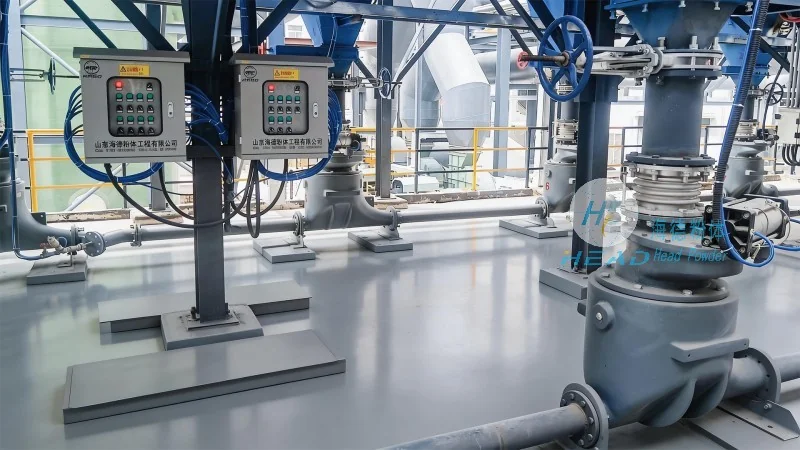
About Shandong HeadPowder Engineering Co., Ltd.
Shandong HeadPowder Engineering Co., Ltd., based in China, is a leading manufacturer in the field of powder handling equipment. With a strong commitment to innovation and quality, the company has developed advanced solutions tailored to the unique challenges of transporting fine powders. Their expertise in engineering and material science ensures that their products meet the highest standards of performance and durability.
Understanding the Pearl Sand Powder Conveying Machine
Pearl sand, a type of fine silica sand, is widely used in various industries including glass manufacturing, foundries, and water treatment. Conveying this material requires specialized equipment due to its fine particle size and potential for dust generation. The pearl sand powder conveying machine addresses these challenges by integrating several key components that work in harmony to ensure efficient transport.
Key Components and Design Principles
The design of a pearl sand powder conveying machine is centered around several critical principles to ensure effective operation. These include:
1. Material Handling Mechanism: The machine typically employs a screw or auger mechanism to move the powder. The screw is designed with specific pitch and diameter to handle the fine particles without causing blockages or excessive wear. The material is fed into the hopper at the inlet, and the rotating screw pushes it forward through the conveying tube.
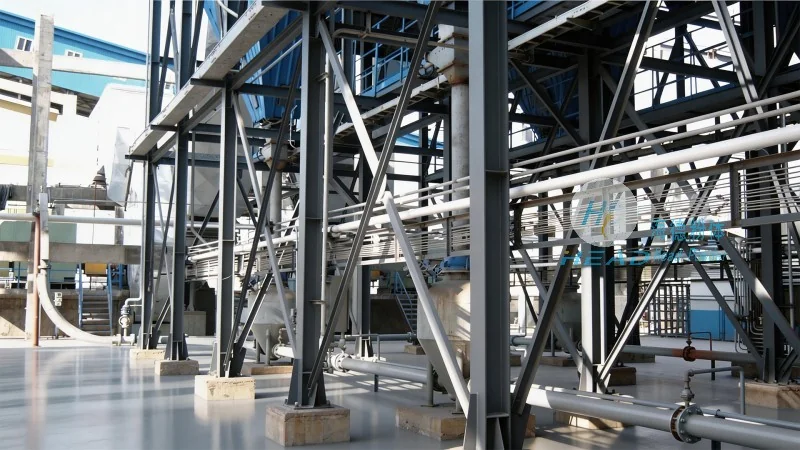
2. Sealing and Dust Control: Given the fine nature of pearl sand, dust control is a major design consideration. The machine incorporates robust sealing systems, such as double-flanged joints and air-tight covers, to prevent dust leakage and maintain a clean working environment. This is essential for both safety and compliance with environmental regulations.
3. Material Flow Optimization: The design ensures smooth and consistent material flow. The hopper is often equipped with a feeder that regulates the input rate, preventing overloading and ensuring uniform transport. The conveying speed and pressure are carefully controlled to avoid particle degradation or segregation.
4. Durability and Corrosion Resistance: Since pearl sand can be abrasive, the machine's components are made from high-quality materials like stainless steel or special alloys. This ensures long-term durability and resistance to wear and corrosion, reducing maintenance costs and extending the equipment's lifespan.
Operational Principles and Efficiency
The operational principle of a pearl sand powder conveying machine is based on the screw's rotation, which creates a positive pressure inside the conveying tube. This pressure propels the material forward, while the sealing system maintains airtightness. The machine's efficiency is measured by its ability to transport the material over long distances with minimal energy consumption and minimal loss.
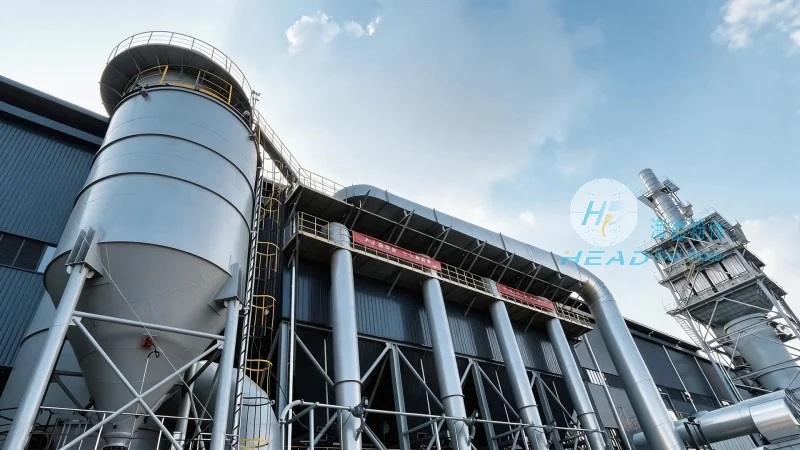
Modern designs incorporate variable speed drives and sensors to monitor the material flow and adjust the conveying speed in real-time. This dynamic control helps optimize energy usage and prevents overloading, ensuring consistent performance even with varying material conditions.
Applications and Benefits
Pearl sand powder conveying machines are widely used in industries where fine powder handling is critical. Some common applications include:
1. Glass Manufacturing: Pearl sand is a key ingredient in glass production, and the conveying machine ensures a steady supply of the material to the melting furnaces.
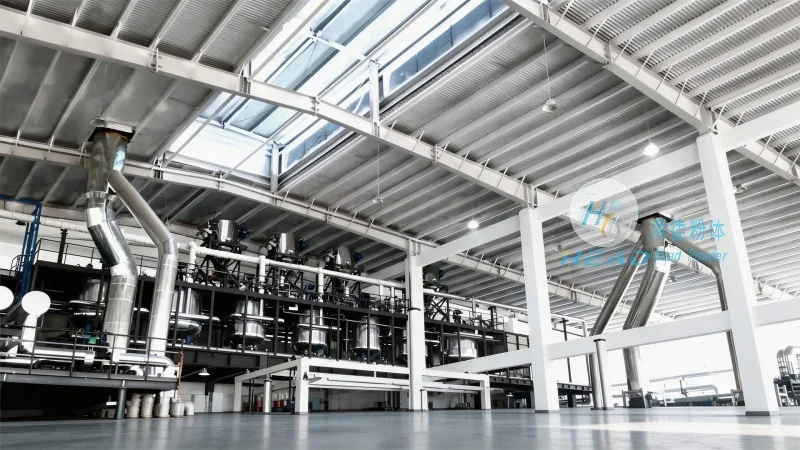
2. Foundry Industry: In foundries, pearl sand is used for sand casting processes, and the machine facilitates the transport of the sand to the molding equipment.
3. Water Treatment: Pearl sand is used in filtration systems, and the conveying machine ensures the efficient delivery of the sand to the filtration units.
The benefits of using such a machine include improved productivity, reduced labor costs, and enhanced safety due to the enclosed system that minimizes dust exposure. Additionally, the efficient design reduces material waste and energy consumption, making it an environmentally friendly solution.
Conclusion
A pearl sand powder conveying machine is a sophisticated piece of equipment that combines advanced engineering principles with robust design to handle fine powders efficiently. Shandong HeadPowder Engineering Co., Ltd. has demonstrated expertise in developing such machines that meet the specific needs of industries dealing with pearl sand. By focusing on material flow optimization, dust control, and durability, these machines provide reliable and cost-effective solutions for powder handling challenges.