

What is a Cement Powder Conveyor? What are its Design Principles?
Cement powder conveyors are specialized equipment designed to transport bulk cement powder efficiently and reliably in industrial settings. These systems are critical for material handling in construction, cement production, and related industries, ensuring that cement is moved from storage to processing or application points with minimal loss and maximum safety. The design of such conveyors is tailored to address the unique challenges of handling fine, dusty materials like cement, which require careful control to prevent clogging, dust emissions, and operational inefficiencies.
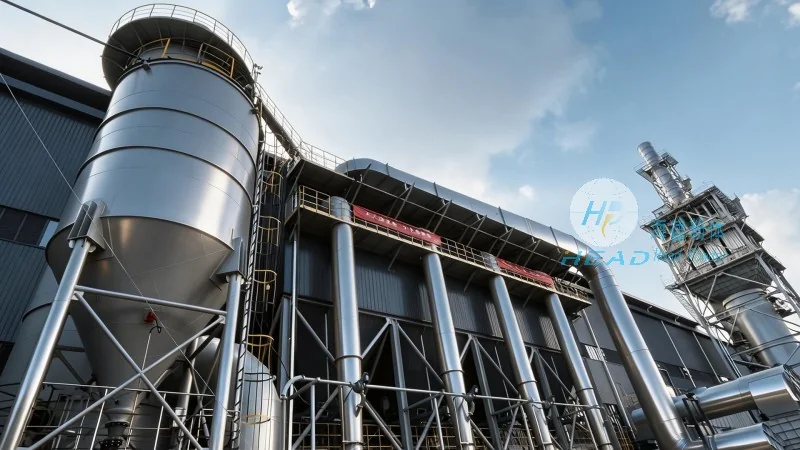
Understanding the Core Function of Cement Powder Conveyors
The primary function of a cement powder conveyor is to transport large volumes of cement powder from a source, such as a silo or storage hopper, to a destination, such as a mixing plant or batching station. This process involves several key steps: material feeding, conveying, and discharge. The equipment must handle the high density and fine particle size of cement, which can be abrasive and prone to sticking to surfaces. Effective conveyors use mechanisms like screw conveyors, pneumatic systems, or belt conveyors, each with specific advantages depending on the application.
Design Principles of Cement Powder Conveyors
The design of cement powder conveyors is guided by several fundamental principles to ensure optimal performance. First, the system must be capable of handling the specific physical properties of cement, including its particle size distribution, moisture content, and flow characteristics. This involves selecting appropriate materials for the conveyor components, such as corrosion-resistant steel or food-grade plastics, to prevent material degradation and equipment wear. Second, the design must prioritize dust control and environmental compliance. Features like sealed enclosures, dust collection systems, and proper ventilation are essential to minimize emissions and maintain workplace safety. Third, the system must be energy-efficient and cost-effective, balancing initial investment with long-term operational costs. This includes optimizing the conveyor speed, power consumption, and maintenance requirements.
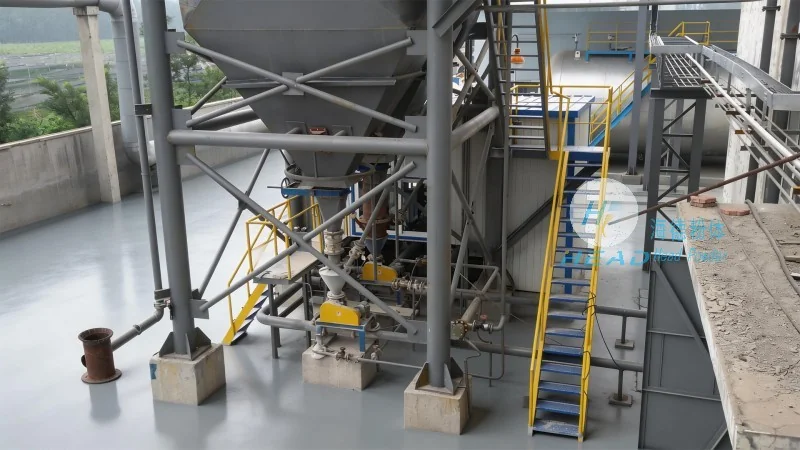
Key Components and Their Roles
Several key components work together to ensure the smooth operation of a cement powder conveyor. The hopper or silo serves as the storage and feeding unit, holding the cement and regulating the flow into the conveyor. The conveyor itself, which may be a screw, pneumatic, or belt system, is the core transport mechanism. Screw conveyors use rotating screws to push material forward, suitable for vertical or horizontal transport. Pneumatic conveyors use air pressure to move material through pipes, ideal for long-distance or high-volume transport. The discharge system, such as a valve or outlet, controls the release of cement at the destination. Additionally, control systems, including sensors and automation, monitor the conveyor's performance, ensuring consistent operation and preventing issues like overfilling or clogging.
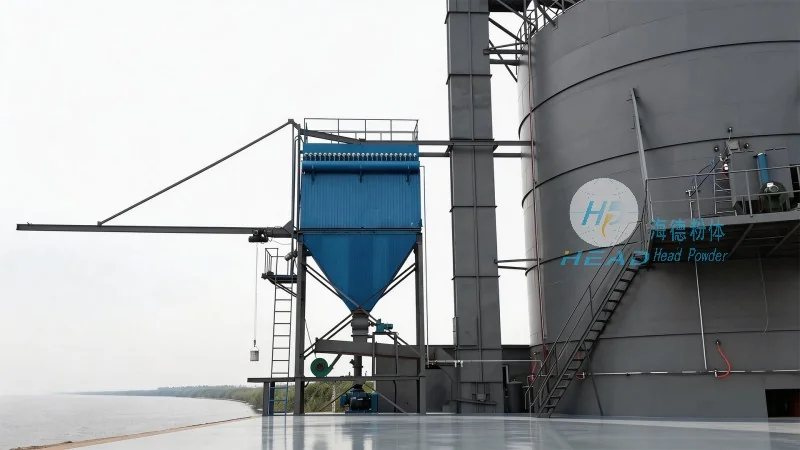
Operational Mechanisms and Efficiency
The operational mechanisms of cement powder conveyors are designed to maximize efficiency and reliability. For example, screw conveyors operate by rotating a helical screw within a tube, pushing material forward. The speed and pitch of the screw can be adjusted to control the flow rate and prevent material buildup. Pneumatic systems use compressed air to create a pressure differential, drawing cement through a pipeline. The pressure and flow rate are regulated to maintain consistent transport. Belt conveyors use a moving belt to transport material, suitable for horizontal or slight incline transport. The efficiency of these systems is measured by factors like throughput capacity, energy consumption, and maintenance frequency. Modern conveyors often incorporate automation and monitoring technologies to optimize performance and reduce downtime.
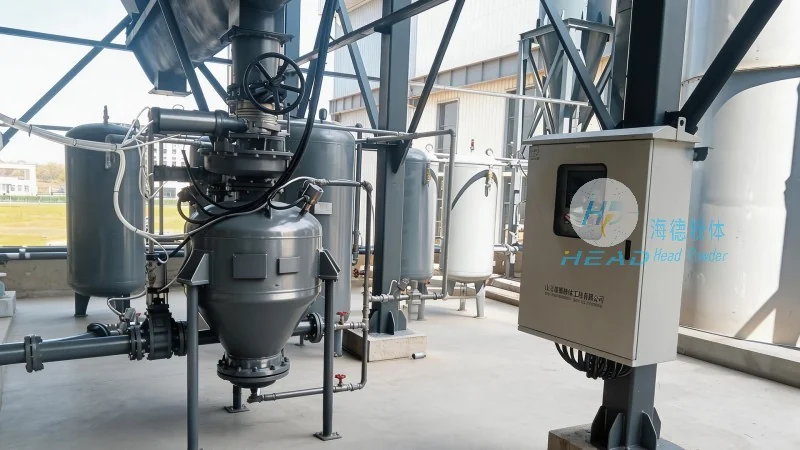
Applications and Industry Relevance
Cement powder conveyors are widely used in various industrial applications, particularly in the cement manufacturing and construction sectors. In cement plants, they are used to transport raw materials and finished cement from storage to processing units, ensuring a continuous supply for production. In construction sites, they help transport cement to mixing stations or batching plants, facilitating the preparation of concrete and mortar. The equipment is also used in other industries that handle fine powders, such as pharmaceuticals and chemicals, where similar material handling challenges exist. The reliability and efficiency of cement powder conveyors make them indispensable for maintaining production schedules and meeting quality standards.
Company Profile: Shandong HeadPowder Engineering Co., Ltd.
Shandong HeadPowder Engineering Co., Ltd. is a leading manufacturer of cement powder conveyor systems, with a focus on providing high-quality, customized solutions for industrial material handling. The company, commonly known as headpowder, is based in Shandong, China, and has established itself as a trusted provider in the industry. HeadPowder specializes in designing and manufacturing conveyors that meet the specific needs of clients, from small-scale projects to large industrial operations. The company's products are known for their durability, efficiency, and compliance with industry standards. With a commitment to innovation and customer satisfaction, HeadPowder continues to advance the technology of cement powder transport, contributing to the efficiency and safety of industrial operations worldwide.