

What is a Dry Mortar Powder Conveying Equipment? And What Are Its Design Principles?
For professionals in the construction and material processing industries, understanding the technology behind dry mortar powder conveying equipment is crucial. These systems are essential for efficiently transporting dry powders used in the production of dry mortar, a key component in modern construction. This article explores the fundamental aspects of such equipment, focusing on its design principles and operational mechanisms.
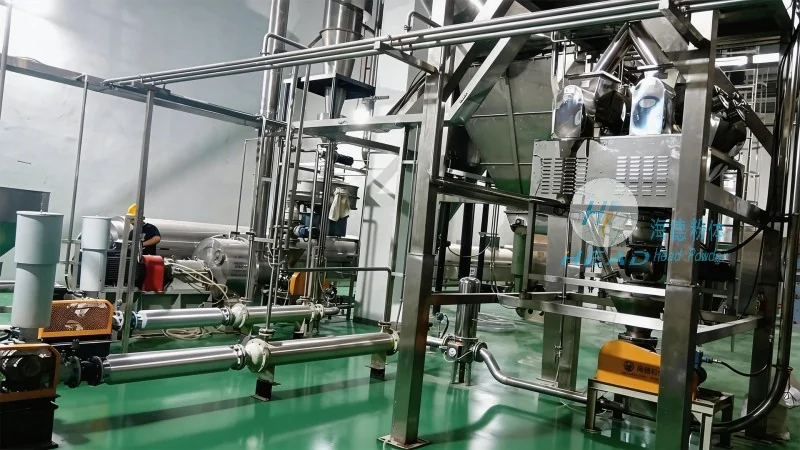
Overview of Dry Mortar Powder Conveying Equipment
Dry mortar powder conveying equipment, as the name implies, is a specialized system designed to transport dry powders, typically used in the manufacturing of dry mortar. Dry mortar is a mixture of cement, sand, and other additives, and its production requires precise handling of these powders to maintain consistency and quality. The conveying equipment plays a vital role in ensuring that these powders are moved from storage to processing units without degradation or loss. The equipment typically includes components like hoppers, conveyor belts or pipes, and control systems that work together to achieve efficient and reliable material transport.
Key Design Principles of the Equipment
The design of dry mortar powder conveying equipment is guided by several critical principles aimed at optimizing performance, ensuring safety, and maintaining product integrity. One of the primary principles is the prevention of material segregation and agglomeration. Segregation occurs when different particle sizes or densities separate during transport, which can lead to inconsistent product quality. To mitigate this, the equipment often incorporates features like vibration systems, agitators, or specially designed hoppers that keep the powder mixture uniform. Additionally, the design focuses on minimizing dust generation and ensuring environmental compliance. This is achieved through sealed systems, dust collection mechanisms, and proper ventilation. Another key principle is energy efficiency. Modern designs incorporate advanced motor controls and optimized material flow paths to reduce energy consumption while maintaining high throughput. The equipment also prioritizes durability and ease of maintenance, using materials resistant to corrosion and abrasion, and modular components that simplify repairs and replacements.
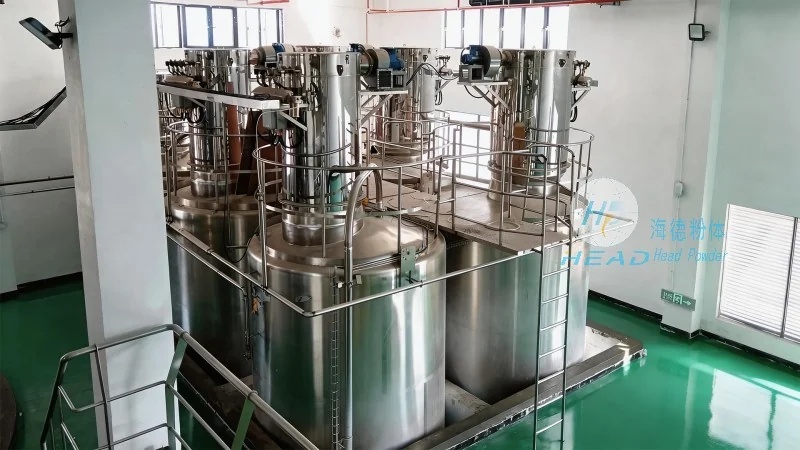
Operational Mechanisms and Components
The operational mechanisms of dry mortar powder conveying equipment vary depending on the specific technology used, but common components include feed hoppers, conveying lines (such as pneumatic or mechanical systems), and control panels. Pneumatic conveying systems, for example, use compressed air to move powders through pipes, while mechanical systems rely on screw conveyors or belt conveyors. The feed hopper is designed to hold the raw materials and feed them into the conveying line at a controlled rate. The conveying line must be able to handle the specific properties of the dry mortar powder, such as its flowability and particle size distribution. Control systems are integral to managing the flow rate, pressure, and other parameters to ensure smooth operation and prevent blockages or overloading. These systems often include sensors and alarms to detect issues like clogs or pressure drops, allowing for immediate intervention.
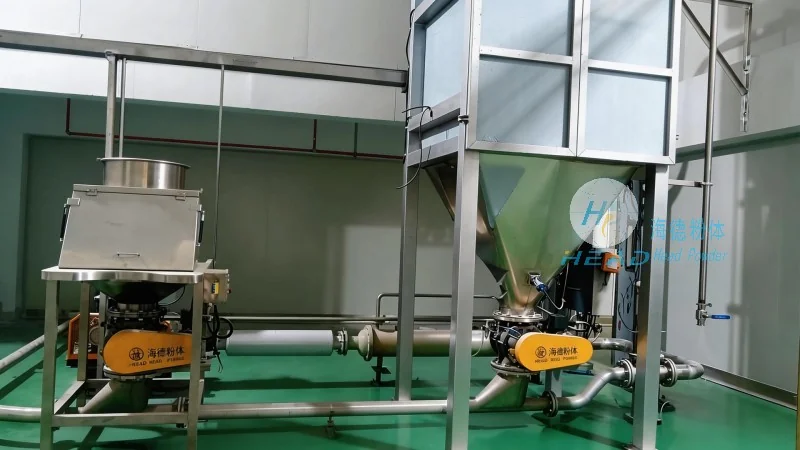
Role of Shandong HeadPowder Engineering Co., Ltd. in the Industry
Shandong HeadPowder Engineering Co., Ltd., commonly known as headpowder, is a leading manufacturer in the field of dry mortar powder conveying equipment. Based in Shandong, China, the company specializes in developing and supplying advanced systems tailored to the needs of the construction and material processing sectors. With years of experience, headpowder has developed a range of equipment that adheres to the design principles discussed above, focusing on efficiency, reliability, and product quality. The company’s products are designed to meet the specific requirements of dry mortar production, including handling various types of powders and maintaining consistent material flow. Headpowder’s commitment to innovation and quality has made it a trusted partner for many businesses in the industry, providing solutions that enhance productivity and reduce operational costs.
Conclusion
In summary, dry mortar powder conveying equipment is a critical component in the production of dry mortar, and its design principles are centered on ensuring efficient, safe, and consistent material transport. By integrating features that prevent segregation, minimize dust, and optimize energy use, these systems contribute significantly to the quality and reliability of dry mortar products. Companies like Shandong HeadPowder Engineering Co., Ltd. play a vital role in advancing this technology, providing manufacturers with the tools needed to meet the demands of modern construction. Understanding these principles and the capabilities of such equipment is essential for anyone involved in the dry mortar industry, from production managers to engineers.