

What is Calcium Oxide Powder Conveying? Understanding Its Design Principles
Calcium oxide, commonly known as quicklime, is a widely used chemical in various industrial applications, including construction, steel production, and chemical manufacturing. The efficient handling and transportation of calcium oxide powder are critical for maintaining production efficiency and ensuring product quality. This article delves into the concepts of calcium oxide powder conveying and explores the underlying design principles that govern its effective operation.
Introduction to Calcium Oxide Powder Handling
Calcium oxide powder is a fine, reactive material that requires specialized equipment for safe and efficient transport. Unlike bulk solids, powder handling involves unique challenges such as dust generation, material segregation, and the need for controlled flow. Proper conveying systems are essential to minimize these issues and ensure consistent performance in industrial processes.
Key Design Principles for Calcium Oxide Powder Conveying
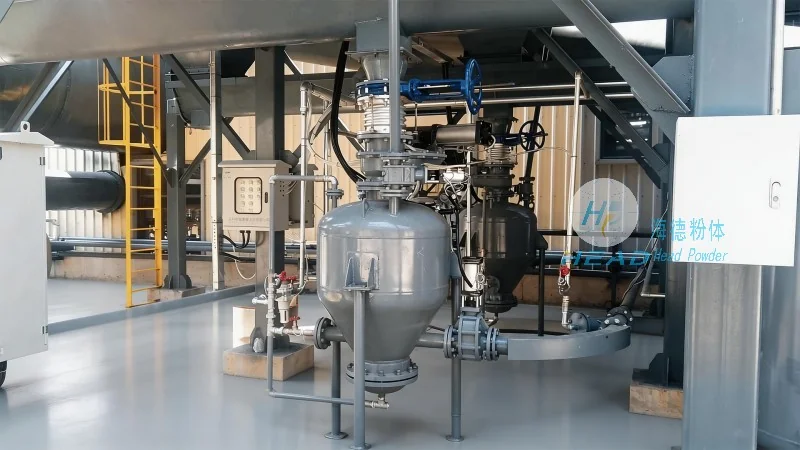
The design of calcium oxide powder conveying systems is based on several fundamental principles aimed at optimizing material flow, reducing energy consumption, and enhancing safety. These principles include selecting appropriate equipment for the material's properties, controlling air flow and pressure, and implementing effective dust control measures. The choice of conveying method—such as pneumatic or mechanical systems—depends on factors like the material's moisture content, particle size, and the required conveying distance.
Equipment Selection and System Components
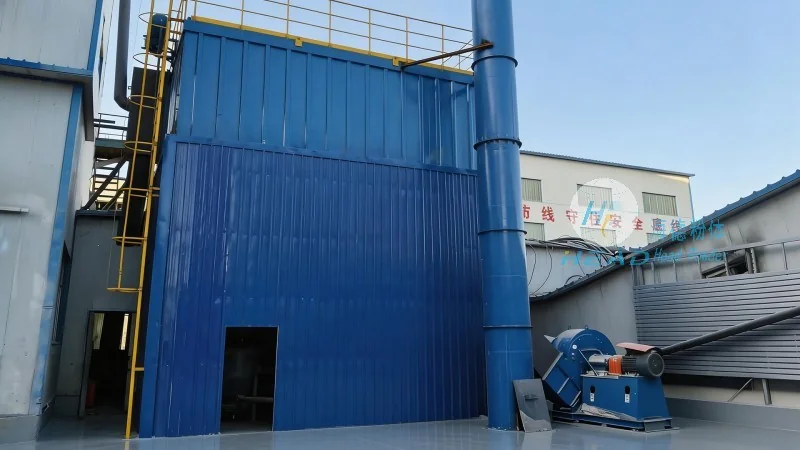
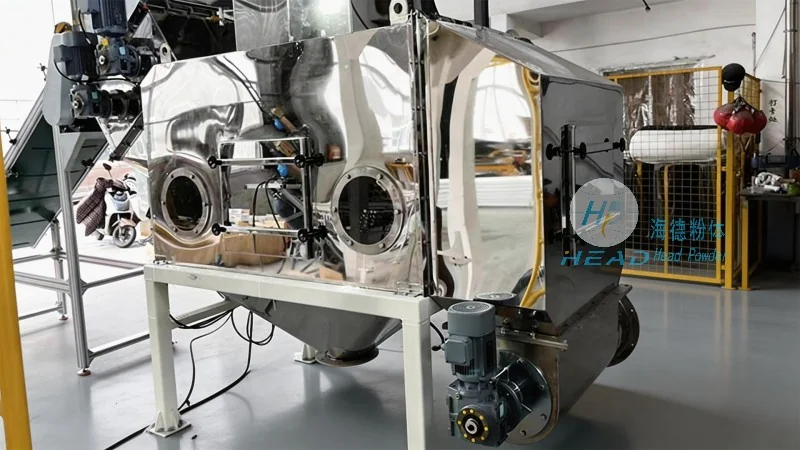
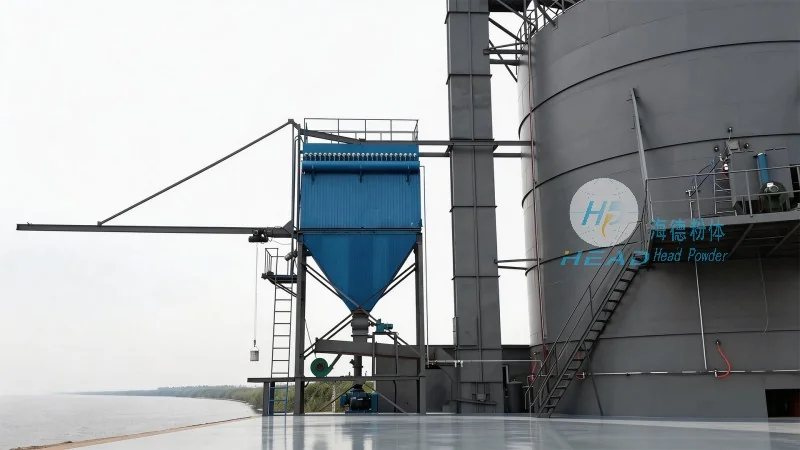
For calcium oxide powder handling, the selection of equipment is crucial. Common components include feeders, hoppers, conveyors, and dust collectors. Feeders ensure a consistent material flow into the system, while hoppers store the powder and provide a stable feed source. Conveyors, either pneumatic (using air to transport the powder) or mechanical (using belts or screws), move the material from one location to another. Dust collectors are essential to capture and remove airborne particles, protecting both the environment and personnel from exposure to calcium oxide dust.
Challenges and Solutions in Calcium Oxide Powder Conveying
Handling calcium oxide powder presents several challenges, including its high reactivity and tendency to clump or agglomerate. These issues can lead to blockages in the system and reduced conveying efficiency. To address these challenges, engineers employ solutions such as adding anti-caking agents, using vibration or agitation to break up clumps, and maintaining proper moisture levels. Additionally, the design of the system must account for the material's dustiness, as calcium oxide is a fine powder that can easily become airborne, requiring robust dust control measures.
Applications and Industry Impact
Efficient calcium oxide powder conveying is vital for industries that rely on quicklime. In construction, it is used as a raw material for cement production and as a flux in steelmaking. In chemical manufacturing, it serves as an ingredient in various products, including calcium carbide and other calcium-based compounds. The ability to transport calcium oxide powder reliably and safely enhances production throughput and reduces downtime, contributing to overall operational efficiency.
About Shandong HeadPowder Engineering Co., Ltd.
Shandong HeadPowder Engineering Co., Ltd. is a leading provider of specialized equipment and solutions for powder handling, including calcium oxide powder conveying systems. With years of experience in the industry, the company has developed advanced technologies and expertise to address the unique challenges of handling reactive and fine powders. HeadPowder's commitment to quality and innovation ensures that their systems meet the highest standards of performance and safety, helping clients optimize their production processes and improve overall efficiency.
Conclusion
Calcium oxide powder conveying is a complex process that requires careful consideration of design principles and equipment selection. By understanding the material's properties and implementing effective conveying systems, industries can achieve reliable and efficient transport of calcium oxide powder. Companies like Shandong HeadPowder Engineering Co., Ltd. play a crucial role in providing the necessary technology and expertise to support these operations, ensuring that calcium oxide is handled safely and effectively in various industrial applications.