

What is Sodium Sulfate Powder Handling? What Are the Design Principles?
Understanding the mechanisms and design principles behind sodium sulfate powder handling is crucial for industries that rely on this chemical. As a key component in various industrial processes, sodium sulfate (Na₂SO₄) is often handled in bulk quantities, requiring efficient and reliable powder handling systems. This article explores the fundamental aspects of sodium sulfate powder handling, including the key design principles that ensure safe, efficient, and cost-effective operation.
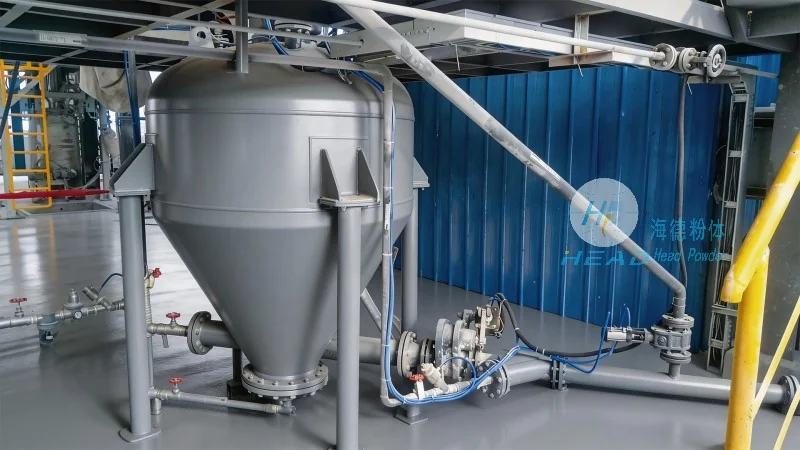
HeadPowder, a leading engineering company based in Shandong, China, specializes in the design and implementation of advanced powder handling solutions. With years of experience in the field, HeadPowder has developed expertise in handling various powders, including sodium sulfate, ensuring that their systems meet the highest standards of performance and safety.
Sodium sulfate powder handling involves the movement, storage, and processing of this chemical in bulk. The efficiency of the handling system directly impacts production throughput, material loss, and operational costs. Proper design of the system is essential to prevent issues such as caking, bridging, and blockages, which can lead to downtime and safety hazards.
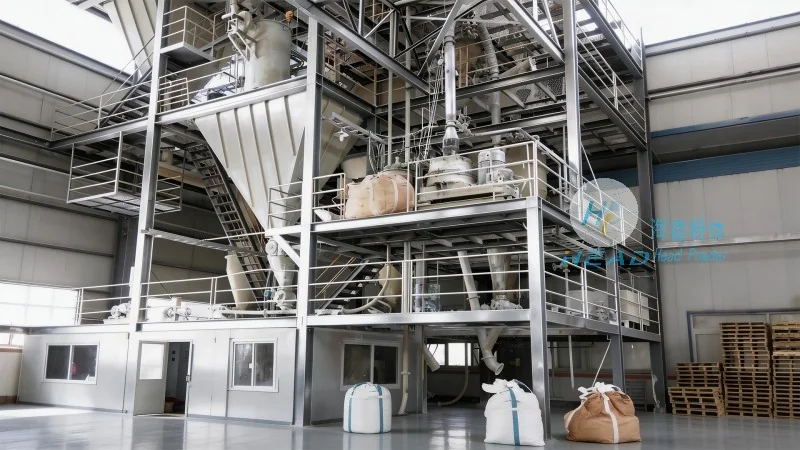
Key Design Principles for Sodium Sulfate Powder Handling Systems
The design of a sodium sulfate powder handling system is based on several critical principles that ensure optimal performance. These principles include material flow control, equipment selection, and system integration. Material flow control is achieved through the use of appropriate equipment such as hoppers, feeders, and conveyors, which regulate the flow of powder from storage to processing units. The selection of equipment is tailored to the properties of sodium sulfate, including its particle size, density, and flow characteristics. For example, if the powder is prone to caking, specialized hoppers with anti-caking features may be used to maintain a free-flowing material.
Conveyor systems are a common method for transporting sodium sulfate powder over short to medium distances. Screw conveyors, pneumatic conveyors, and bucket elevators are all viable options, each with its own advantages and limitations. Screw conveyors are suitable for horizontal or slight incline applications, while pneumatic conveyors are ideal for long-distance transport or when the powder needs to be transported in a closed system to prevent dust emissions. The choice of conveyor type depends on factors such as the distance to be covered, the required flow rate, and the need for dust control.
Control systems play a vital role in maintaining the stability and efficiency of the powder handling process. Sensors and control devices monitor parameters such as flow rate, pressure, and level, providing real-time feedback to adjust the operation of the system. For example, level sensors in the hopper can trigger the feeder to start or stop, preventing overfilling or underfilling. Pressure sensors in the conveyor line can detect blockages and alert operators to take corrective action. The integration of these control systems ensures that the handling process is automated and responsive to changing conditions.
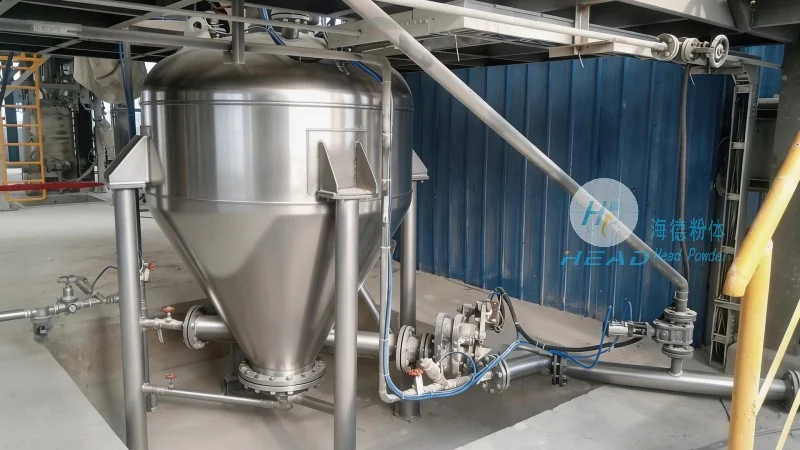
Ensuring Safety and Efficiency in Sodium Sulfate Handling
Due to the nature of sodium sulfate as a bulk chemical, safety is a top priority in its handling. Proper design of the system includes measures to prevent dust explosions, such as using explosion-proof equipment and installing dust collection systems. Additionally, the system should be designed to minimize material loss and contamination, which can affect the quality of the final product. Regular maintenance of the equipment is also essential to ensure that the system operates at peak efficiency and to prevent unexpected failures.
HeadPowder, with its headquarters in Shandong, China, offers comprehensive solutions for sodium sulfate powder handling. Their team of engineers and technicians work closely with clients to understand their specific needs and design customized systems that meet their requirements. From initial consultation to installation and maintenance, HeadPowder provides end-to-end support to ensure that the handling system is reliable and efficient. By adhering to the key design principles outlined above, HeadPowder ensures that their clients can handle sodium sulfate safely and effectively, optimizing their production processes and reducing operational costs.