

What is Magnesium Silicate Powder Handling? Understanding Design Principles
When it comes to handling magnesium silicate powder, understanding the underlying design principles is crucial for efficient and reliable operations. This article delves into the key aspects of magnesium silicate powder handling, providing insights into the technical and practical considerations that drive effective material management in industrial settings.
Introduction to Magnesium Silicate Powder Handling
Magnesium silicate, also known as talc or pyrophyllite, is a common industrial mineral used in various applications, including cosmetics, ceramics, and construction materials. The efficient transport and handling of this fine powder require specialized equipment and systems to prevent issues such as caking, segregation, and material loss. At Shandong HeadPowder Engineering Co., Ltd., we specialize in providing tailored solutions for magnesium silicate powder handling, leveraging our expertise in powder technology and process engineering.
Key Design Principles for Magnesium Silicate Powder Handling
The design of magnesium silicate powder handling systems revolves around several core principles aimed at ensuring optimal performance and material integrity. First, the system must address the unique flow properties of magnesium silicate, which can be prone to bridging and arching due to its fine particle size and cohesive nature. Properly designed hopper and feeder systems are essential to prevent these flow disruptions and maintain consistent material flow rates.
Second, the system should incorporate effective dust control measures. Magnesium silicate is a fine powder that can generate significant airborne dust, posing health and safety risks. Enclosed systems with proper ventilation and filtration are critical to maintaining a safe working environment. Additionally, the use of anti-static materials and grounding techniques can help mitigate static charge buildup, which is common in fine powder handling.
Third, the design must consider the need for gentle handling to preserve the powder's quality. Magnesium silicate is often used in applications where particle size distribution and purity are critical. Abrasive or high-impact handling can lead to particle breakage and contamination, affecting the final product's performance. Therefore, systems like pneumatic conveying, screw conveyors, and rotary valves are preferred for their ability to handle the powder without excessive stress.
Equipment Selection for Magnesium Silicate Powder Handling
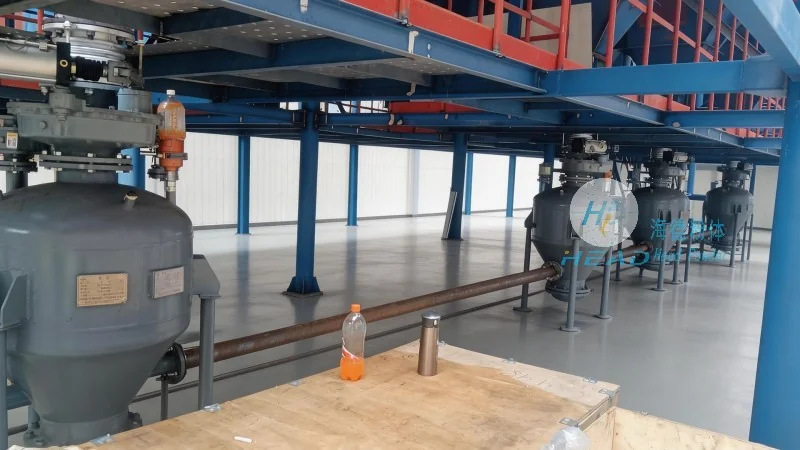
Choosing the right equipment is a critical step in designing an effective magnesium silicate powder handling system. The selection depends on factors such as the material's flow characteristics, the required capacity, and the distance of transport. Pneumatic conveying systems are widely used for long-distance transport and can handle fine powders like magnesium silicate efficiently. These systems use air to move the powder through pipes, reducing the need for mechanical components that might cause wear or contamination.
Screw conveyors are another common choice, especially for short to medium distances and horizontal or slight incline transport. They are suitable for moderate capacities and can be easily integrated into existing processing lines. However, screw conveyors may experience issues with clogging if the powder is too cohesive. To mitigate this, variable speed drives and special screw designs (such as ribbon or ribbon with flights) are often employed.
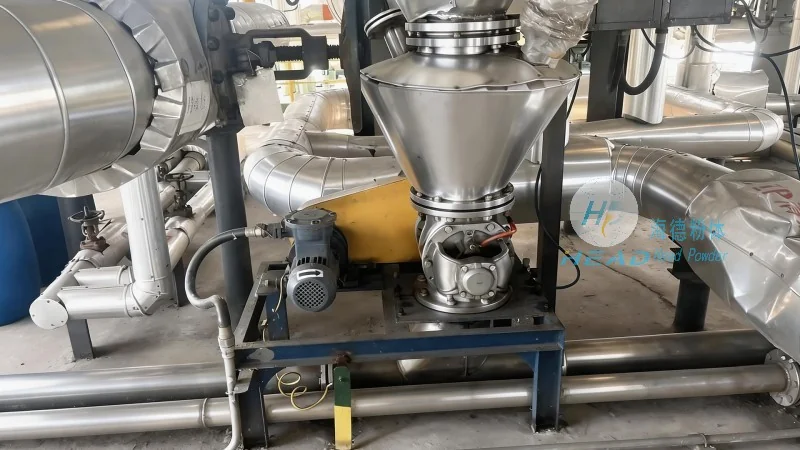
Rotary valves, also known as star valves, are commonly used as feeders for hoppers and silos. They provide a controlled, metered flow of powder, preventing surges and ensuring consistent feed rates to downstream equipment. The design of the rotary valve, including the number of blades and the speed, must be optimized to match the powder's flow properties and prevent material buildup or wear.
System Integration and Process Optimization
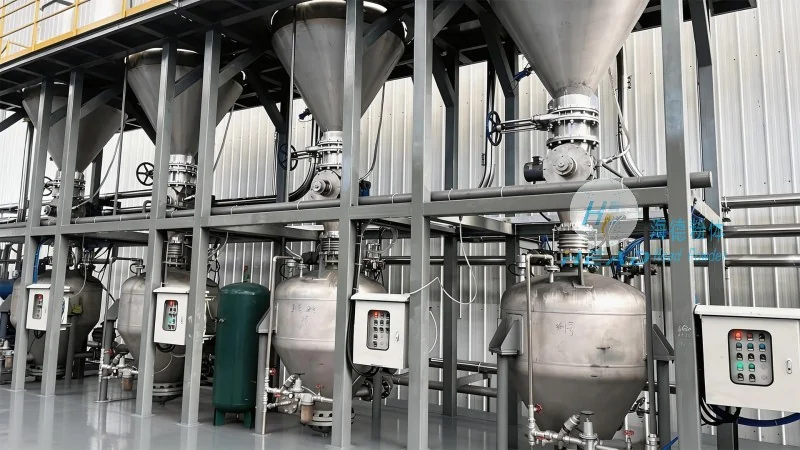
Effective magnesium silicate powder handling goes beyond individual equipment selection; it involves integrating components into a cohesive system that optimizes material flow and minimizes downtime. Properly designed hoppers with appropriate hopper angles and discharge chutes are essential to promote flow and prevent arching. The use of vibration or air knives can also help break up any bridging or arching that occurs.
Process monitoring and control are vital for maintaining system performance. Sensors such as level detectors, flow meters, and pressure sensors can provide real-time data on the system's status, allowing for quick adjustments to maintain optimal operation. Automated control systems can further enhance efficiency by adjusting equipment parameters based on real-time conditions, reducing human intervention and improving consistency.
Regular maintenance and cleaning are also critical to ensure the longevity and reliability of the system. Magnesium silicate can be abrasive and may cause wear on equipment components. Regular inspection of hoppers, conveyors, and valves, along with scheduled cleaning and replacement of worn parts, helps prevent breakdowns and maintain system efficiency.
Conclusion
Magnesium silicate powder handling is a complex process that requires careful consideration of material properties, equipment selection, and system design. By adhering to the key principles outlined above, industrial operations can achieve efficient, reliable, and safe handling of magnesium silicate powder. At Shandong HeadPowder Engineering Co., Ltd., we offer comprehensive solutions tailored to the unique needs of our clients, combining expertise in powder technology with innovative design to deliver effective magnesium silicate powder handling systems.